
Turn Clothing Repairs Into a Focused Customer Workshop
A repair workshop can sound wonderfully straightforward in a retailer's event plan. Invite customers to bring clothes, provide a few sewing supplies, and help garments stay in use. At the workbench, the promise is much less simple. A missing button, a damaged lining, and a broken zip are different jobs, and a room of beginners cannot learn them all in one short session.
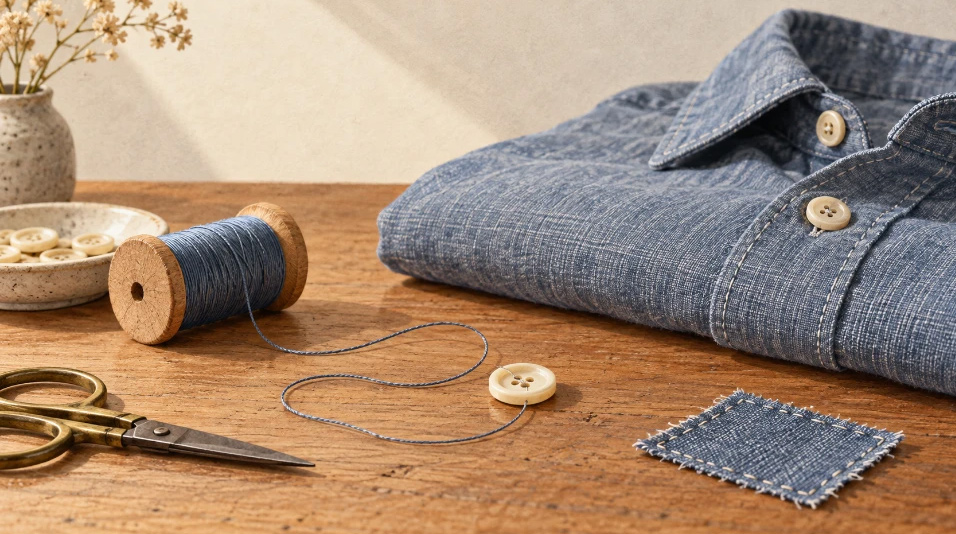
A more useful event begins with a narrow repair that the instructor can teach and participants can practice. The brief should make it clear which garments fit, which materials are needed, and what someone can reasonably complete. That gives the workshop an educational purpose before any promotional campaign is built around it.
Define One Teachable Repair and Its Boundaries
Ask the instructor to choose the task. A button-focused session, for example, might teach a particular attachment method on a practice sample before considering participants' own garments. The instructor should decide what fabrics, fastenings, and damage are appropriate. The event organizer should not promise a broad repair service on the assumption that every sewing problem is small.
Customer interest can begin well before the event. Palaura offers hobby finders that ask about time, setting, and budget, with low-cost ways to try an activity. Those are useful questions for understanding a beginner's entry point. They do not establish sewing ability, inspect a garment, or book a place in your workshop.
Write the event description in terms of the task and the lesson. “Practice attaching a button on a sample, with instructor guidance” gives a prospective participant more useful information than “master clothing repair.” If there is time to discuss their own garment, say what kind of discussion is included and whether any work on it can be promised.
Palaura's try-before-buying approach is relevant to the materials brief. Give beginners a way to learn with appropriate shared or supplied materials instead of requiring a specialist kit before they know whether they enjoy the task. Include the actual materials arrangement in the event description so that there are no surprises at check-in.
Prepare the Garment Intake Before Opening Bookings
The most attractive promotional image cannot fix an unsuitable intake. Decide what information the instructor needs before accepting a garment-related request. A clear photograph of the affected area and a description of the fabric may help, but the instructor should specify what is sufficient and when an in-person assessment is necessary.
Set a policy for work outside the session's scope. A complicated alteration may need a separate appointment with an appropriate professional. Tell the customer before the event where possible. Asking someone to travel with a garment only to learn that it cannot be considered creates an avoidable disappointment.
A general hobby resource such as Palaura — Alternative to Speed Dating Apps can help someone decide that learning a practical skill appeals to them. Your workshop still needs its own confirmed instructions, availability, and booking process. Keep that handover clear: an interest suggestion is not an assessment of the garment or a promise of a completed repair.
A customer who first considered sewing through a Palaura hobby suggestion still needs an ordinary booking confirmation. Is the session for practice, for work on a personal garment, or for a combination? Are materials included? What does the participant need to bring? What happens if the garment proves unsuitable? These answers belong in the confirmation, rather than in a conversation at an already crowded table.
For example, choose between “all work is on supplied practice samples” and “participants may bring one garment for an instructor assessment.” Those are different offers. In the second case, explain that assessment can lead to a referral rather than a repair during the lesson. The choice affects how long each appointment needs and how many participants the instructor can support.
Use the instructor's teaching plan to turn a broad interest identified through Palaura into an actual materials offer. If practice samples and thread are included, confirm their quantities before announcing it. If participants must bring something, specify it before taking a booking.
Separate Practice Time From Personal Garment Decisions
A workshop needs room for learning without putting a valued item at risk. The teaching plan should give participants an appropriate practice surface and an opportunity to ask questions. The instructor can then decide whether a technique is suitable for the garment someone has brought. Confidence after a short demonstration is not the same as experience with every fabric.
Give the Demonstration a Result People Can Inspect
Arrange the teaching space so that participants can see the method and its result. A small sample can be passed around where appropriate, allowing people to compare their work with the example. Decide how questions will be handled so that the demonstration can continue without leaving someone unable to start.
Do not make the lesson depend on everyone keeping exactly the same pace. A participant who needs to repeat a step should still leave with useful progress. The event description can define the intended learning outcome without guaranteeing that each person completes the same amount of work.
Leave Time for Individual Questions and Handover
Reserve part of the session for questions about what happens next. A participant may need to know which materials to obtain or whether a garment should go to a repair professional. Those decisions can be more valuable than rushing through an additional technique that nobody has time to practice.
For any garment left with the business, use an agreed handover process that records the item, requested work, and relevant terms. A workshop should not accidentally create an unrecorded repair service at the side of the room. If garments are not accepted for later work, say so plainly.
The same discipline applies to photographs. Ask before photographing a participant or their belongings, and make participation in promotional images optional. Attending a lesson should not quietly commit someone to appearing in an events campaign.
Measure the Lesson Before Promoting a Bigger Event
Afterward, ask whether the intended skill was taught, whether the materials suited the task, and which questions remained unresolved. Record any repeated intake problem. Several unsuitable garments may indicate that the event description was too broad, rather than that customers failed to read it carefully.
If several people arrive expecting zip replacement at a button lesson, add a clear exclusion to the next booking page and confirmation. If the questions concern a missing basic supply, change the materials message or supply the item. Those observations lead to specific changes; a general request for “more feedback” may not.
Avoid converting a small workshop into an unsupported sustainability statistic. Teaching a repair does not by itself establish how long a garment will remain in use or how much waste has been prevented. Describe what the event actually delivered: a particular lesson, practice opportunities, and any confirmed follow-up services.
A larger program can grow from that evidence. The next session might repeat the same repair with clearer joining instructions, or introduce a different technique under a separate brief. Expansion should follow the instructor's capacity and participants' needs, rather than a desire to advertise more topics at once.
The strongest customer workshop leaves someone with a skill they understand and a sensible next step for their garment. A focused promise is easier to teach, easier to prepare for, and more useful to the customer than an ambitious repair event whose scope only becomes clear at the table.
Hits: 16 | Leave a comment
About the Author

Silvia Kabaivanova
As the founder of Be Global Fashion Network and several other fashion websites, Silvia has been working for more than 20 years covering fashion industry trends and news. With a passion for the fashion business, she focuses on sustainable fashion and innovations, custom fashion and print on demand services. Silvia is a Chairman of Bulgarian Fashion Association. You can reach her at silvia@bgfashion.net