
How Streetwear Went From Subculture to High Fashion
Streetwear developed outside the traditional fashion industry. Its history is closely tied to surf and skate culture, hip-hop, sneakers, music, and graphic art. The first wave of streetwear brands sold clothes to communities that already had their own style and references. Eventually, audiences outside their original scenes embraced these brands. In the 2010s, the line between streetwear and designer fashion became much harder to define.
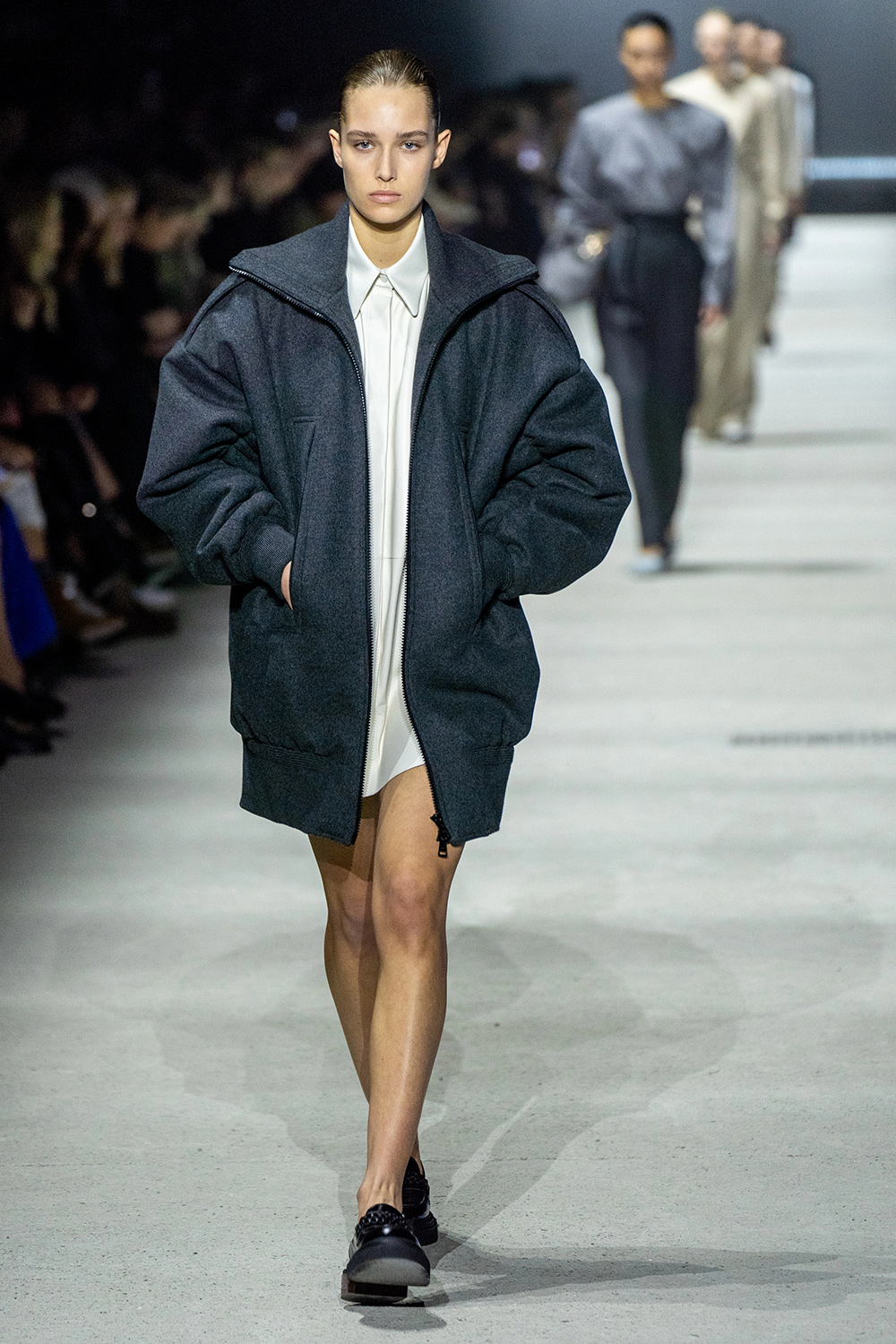
Photo: Depositphotos
The Early Streetwear Scene
Streetwear does not have one clear point of origin. California surf culture was one important influence. Stüssy traces its roots to 1980, and the brand itself describes its early history as rooted in the California surf scene before it expanded beyond surf and skate circles. Shawn Stüssy's handwritten logo became one of the brand's most recognizable features. Graphic T-shirts were particularly important to its early identity, including the World Tour design first released in 1989.
Another big influence on street fashion was hip-hop, especially in New York. Sportswear, sneakers, tracksuits, oversized silhouettes, and prominent branding were closely linked to the artists and audiences. Skateboarding and graffiti had their own visual cultures. Streetwear came from a whole bunch of scenes, not the traditional fashion-house structure. At first, clothes were distributed and worn within communities, and then they gained recognition from the established fashion industry.
Streetwear Reaches a Wider Audience
During the 1990s and 2000s, streetwear became increasingly international. Brands that had started with relatively specific audiences were attracting customers who had no direct connection to skating or surfing. Supreme was first opened as a skate shop in New York in 1994, and has since developed a following well beyond skateboarding. Overall, limited releases became more common in streetwear retail, with customers following certain launches rather than expecting every product to be available forever.
Japan also gave birth to an entire streetwear scene. Created in 1993 by Nigo, A Bathing Ape, or BAPE, became known for graphics, camouflage, sneakers, and heavy branding. With the rise of sneaker culture, so did clothes. Collaborations and limited-edition drops created a following for each shoe. All of this was much easier to follow internationally with the internet. With forums, blogs, online shops, and later social media, people no longer had to live near the stores to keep up with the brands and releases.
Streetwear and Luxury Fashion Begin to Overlap
Streetwear and designer fashion had crossed paths before the 2010s, so there was no single moment when one suddenly entered the other. The overlap simply became much more visible during that decade. Off-White by Virgil Abloh was a huge part of this era. Abloh started the label in 2013. Off-White describes his work as a blend of streetwear, luxury, art, music, and architecture ideas. It became one of the most recognizable luxury streetwear brands, bringing hoodies, graphics, sneakers, and other streetwear references to the designer market.
Another high-profile example of the relationship between the two sides of fashion was the 2017 collaboration between Supreme and Louis Vuitton. A label steeped in New York skate culture was now working with a long-established luxury house.
Virgil Abloh joined Louis Vuitton in 2018 as Men's Artistic Director. Louis Vuitton credits his work with bringing strong streetwear influences into its men's collections. His first collection for the house was Spring-Summer 2019.
Streetwear Changes the Luxury Market
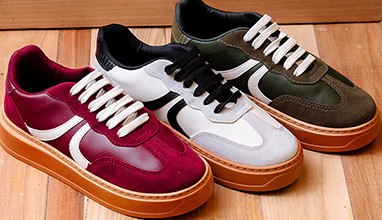
Casual clothing and sportswear had been part of high fashion long before streetwear gained wider influence. Streetwear brought hoodies, oversized T-shirts, bomber jackets, and sneakers into luxury collections in new materials. Hoodies and sweatshirts were made from cashmere, fine wool, and heavyweight cotton. Varsity and bomber jackets appeared in leather, suede, and technical fabrics. Oversized T-shirts used dense jersey, embroidery, appliqué, and layered prints. Sneakers combined athletic silhouettes with leather, suede, and carefully selected textiles.
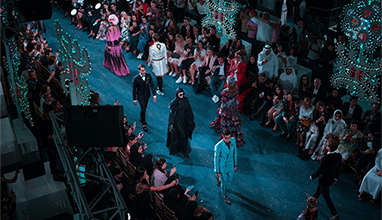
The design language changed as well. Loose trousers, oversized outerwear, large pockets, drawstrings, visible logos, graphic prints, and utility details became common alongside tailoring and more traditional luxury pieces. A runway look could pair a structured coat with wide trousers and sneakers rather than keeping formal and casual clothing separate.
Such overlap didn’t make streetwear and luxury the same. Instead, designers started to use streetwear silhouettes and references that had different fabrics, construction, and finishing. Now the same attention to materials and construction is being given to streetwear pieces.
Wrapping It Up
Streetwear did not begin as a branch of high fashion. It developed its own brands, audience, and retail culture before luxury houses became closely involved with it. As its influence grew, designers and established fashion companies began working with ideas and people that had come from streetwear. The result was a gradual overlap that made the old division between streetwear and high fashion increasingly difficult to maintain. Luxury brands adopted streetwear’s forms; streetwear brands gained access to luxury’s production methods.
Hits: 4507 | Leave a comment
Tags:streetwear, high fashion, catwalk
About the Author

Silvia Kabaivanova
As the founder of Be Global Fashion Network and several other fashion websites, Silvia has been working for more than 20 years covering fashion industry trends and news. With a passion for the fashion business, she focuses on sustainable fashion and innovations, custom fashion and print on demand services. Silvia is a Chairman of Bulgarian Fashion Association. You can reach her at silvia@bgfashion.net

Related Articles