
Children’s wellington boots wholesale: How retailers can build a profitable rainwear range?
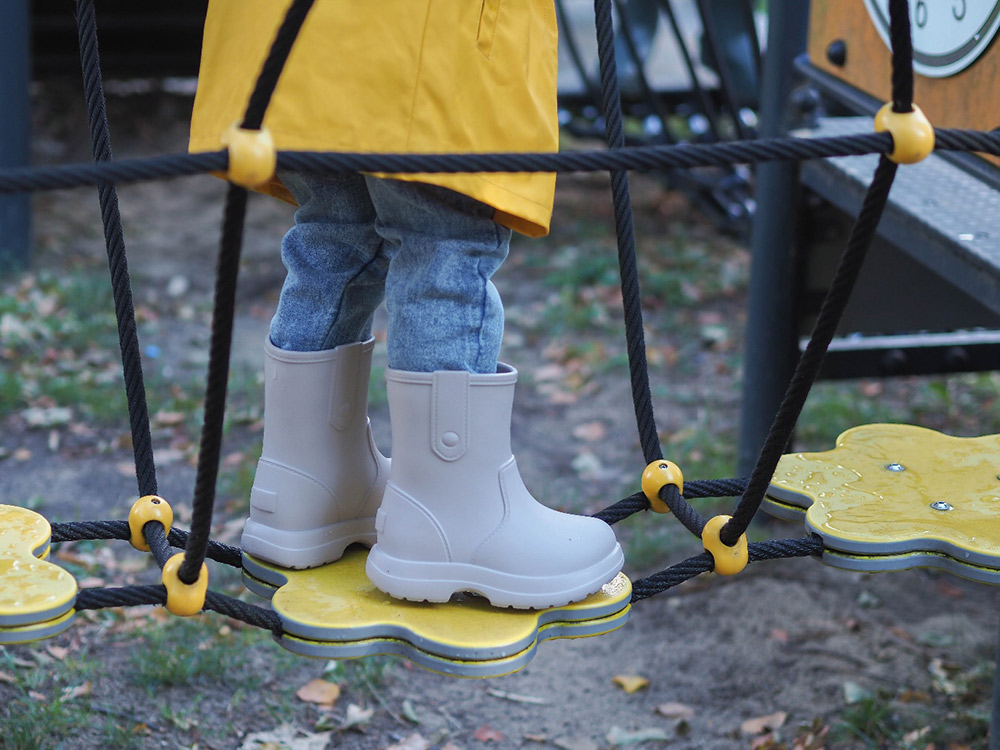
Children’s wellington boots are more than a seasonal accessory. For footwear retailers, wholesalers and distributors, they represent a practical product category with applications across preschool, outdoor leisure, gardening and everyday wet-weather activities. However, building a competitive collection requires more than choosing attractive colours and ordering a few popular sizes.
Retail buyers must consider footwear construction, materials, fitting options, seasonal demand and the reliability of their manufacturing partner. As European retailers increasingly look for clearly identifiable suppliers and differentiated product ranges, sourcing children’s rain boots directly from a manufacturer can provide a useful foundation for long-term assortment planning.
Why children’s wellies deserve a place in a year-round footwear assortment
Rain boots are commonly associated with autumn, but their practical uses extend across several selling periods. Spring brings wet playgrounds, garden activities and unpredictable rainfall. Summer creates demand for footwear suitable for camping, outdoor holidays and rainy days. Autumn remains an important period for preschool and school footwear, while selected insulated models can extend the commercial relevance of wellington boots into colder months.
For retailers, this creates an opportunity to plan children’s waterproof footwear around different customer needs rather than treating the entire category as a short autumn promotion. A well-structured assortment can include lightweight everyday wellies, easy-on models for younger children, wider-fitting designs and boots compatible with removable thermal liners.
EVA or traditional rubber: what should wholesale buyers consider?
Material selection influences how children’s wellington boots feel, how they are maintained and how they can be positioned in a retail collection. Ethylene-vinyl acetate, commonly known as EVA, is used to manufacture lightweight, flexible footwear. Its closed-cell structure limits water absorption by the material, while moulded boot construction can provide effective waterproof protection during ordinary wet-weather activities.
Low footwear weight is particularly relevant for children's products. Younger users frequently move between walking, running, climbing and playing, making the mass and flexibility of their boots important purchasing considerations.
EVA wellington boots are also relatively easy to clean after exposure to mud, grass and playground dirt.
Traditional rubber boots remain a familiar option in the market, but EVA offers retailers an alternative product category with distinct material characteristics. The final choice should depend on the intended application, fit, construction and verified specifications of individual models.
For B2B buyers, material differences should be communicated through practical product information rather than unsupported claims about health benefits or universal performance.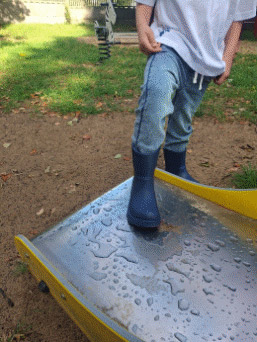
Children's wellington boots wholesale: building a collection around customer needs
One of the most common assortment-planning mistakes is selecting several similar rain boots that differ mainly in colour. A more effective approach is to identify the purchasing needs of different customer groups.
Easy-on rain boots for preschool children
Parents of younger children often value footwear that children can put on and remove with minimal assistance. For this segment, retailers can consider wellington boots with practical pull handles, accessible openings and lightweight construction. These features are particularly relevant to preschool footwear collections, where ease of everyday use can become an important point-of-sale argument.
Wider-fitting wellington boots
Children’s feet differ in width and shape, so a single boot profile will not suit every customer. Offering models with a wider forefoot area can help retailers address fitting preferences that may not be covered by standard-profile rain boots. However, a wider toe box should not automatically be presented as a medical or orthopaedic feature. Buyers should evaluate the manufacturer's stated fitting characteristics and provide clear sizing guidance.
Rain boots with removable winter liners
Selected EVA wellington boots can be paired with removable thermal liners. This allows retailers to offer different seasonal configurations and explain the practical advantages of removing liners for drying or maintenance. The thermal performance, washing instructions and liner compatibility should always be verified for each product.
Why sourcing from a Polish manufacturer can benefit B2B buyers
The choice of supplier affects more than the initial purchase price. For European wholesalers, importers and retail chains, working directly with a footwear manufacturer in Poland provides an opportunity to discuss product specifications, available collections, packaging arrangements and wholesale order requirements with the company responsible for production. This can make it easier to clarify which models are available, how size ranges differ and whether a product can be included in a planned seasonal assortment.
Camminare Boots is a Polish manufacturer of EVA footwear, including children's rain boots produced in Poland. Its children's collection includes Splash, Bear Boots and Frog, which address different retail requirements. Splash features side handles designed to make putting on and removing the boots easier. Bear Boots offer a wider forefoot construction with H-width fitting, while Frog provides a colourful, child-oriented design. These differences allow buyers to develop a collection around practical features instead of relying exclusively on colour variations.
Businesses looking to expand their footwear assortment can explore the manufacturer's children's wellington boots wholesale range, which is intended for retailers, wholesalers, distributors and other B2B customers.
How to plan a wholesale order before the rainy season
A successful opening order begins with understanding the target customer. A specialist children's footwear shop may require a different size distribution from a garden centre, outdoor retailer or large general merchandise chain. Before confirming an order, buyers should review several commercial factors.
Size coverage. Check whether the available size range matches the ages and fitting needs of the store's customers.
Product differentiation. Choose models with distinct functions, such as easy-on handles, wider fitting or removable liners.
Colour selection. Consider a balanced assortment of neutral and brighter colours without assuming that colour preferences are identical across markets.
Seasonal timing. Plan purchasing and replenishment discussions before the main spring and autumn selling periods.
Packaging and order quantities. Confirm minimum order quantities, carton configurations and the rules for combining sizes or colours directly with the manufacturer.
Product documentation. Request accurate material descriptions, size charts, care instructions and model-specific technical information.
A disciplined purchasing process helps retailers avoid excessive overlap between products while keeping the collection relevant to different customer needs.
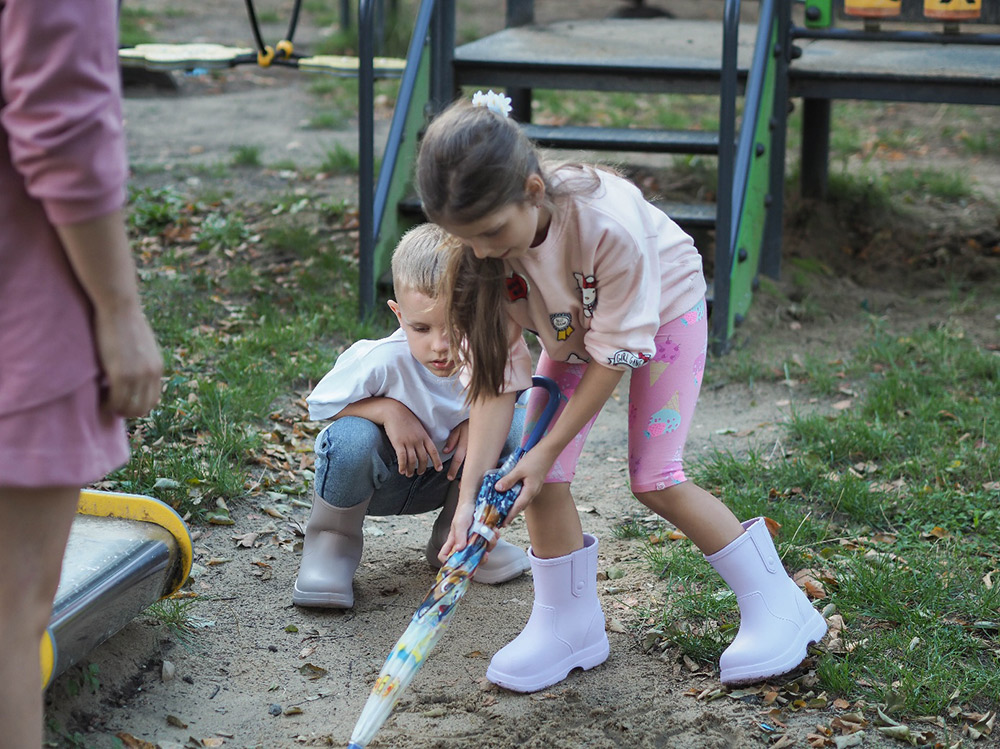
Product information is becoming a competitive advantage
Children's footwear buyers increasingly encounter product information across multiple channels: physical shops, e-commerce listings, marketplaces and specialist retail websites. Consistent specifications make products easier to compare and explain.
For EVA children's wellington boots, useful information includes material composition, boot height, available sizes, model weight, fitting characteristics, liner compatibility and cleaning instructions.
Retailers should also distinguish between factual construction features and broader performance claims. For example, a wider forefoot can be described as a design feature, but it should not automatically be associated with medical benefits. Similarly, winter suitability should be supported by the specifications of the particular boot rather than general claims about all EVA footwear. Clear, verifiable information supports both purchasing decisions and customer communication.
What makes a reliable children's rain boots manufacturing partner?
Price is only one part of wholesale sourcing. A suitable manufacturing partner should be able to explain its product range, identify differences between models and provide the documentation needed for commercial distribution.
Buyers should also assess how the supplier handles product enquiries, minimum order quantities, seasonal planning and ongoing communication.
For companies developing children's footwear collections across several markets, it is particularly useful to work with a manufacturer whose products have clearly defined features and applications.
A carefully selected range of lightweight EVA wellington boots can help retailers serve preschool families, outdoor customers and seasonal rainwear buyers without creating unnecessary duplication in their assortment.
Ultimately, the strongest wholesale strategy is not to stock the greatest number of children's rain boots. It is to offer a focused selection of products with clear differences, reliable specifications and a supply arrangement suited to the retailer's market.
Hits: 58 | Leave a comment
Tags:footwear, wellington boots, children, rainwear
About the Author

Stella Cooter
Journalist, traveller and mother, Stella writes about fashion and style, luxury and adventure.