
How to Wear Heritage Knitwear Without Looking Dated
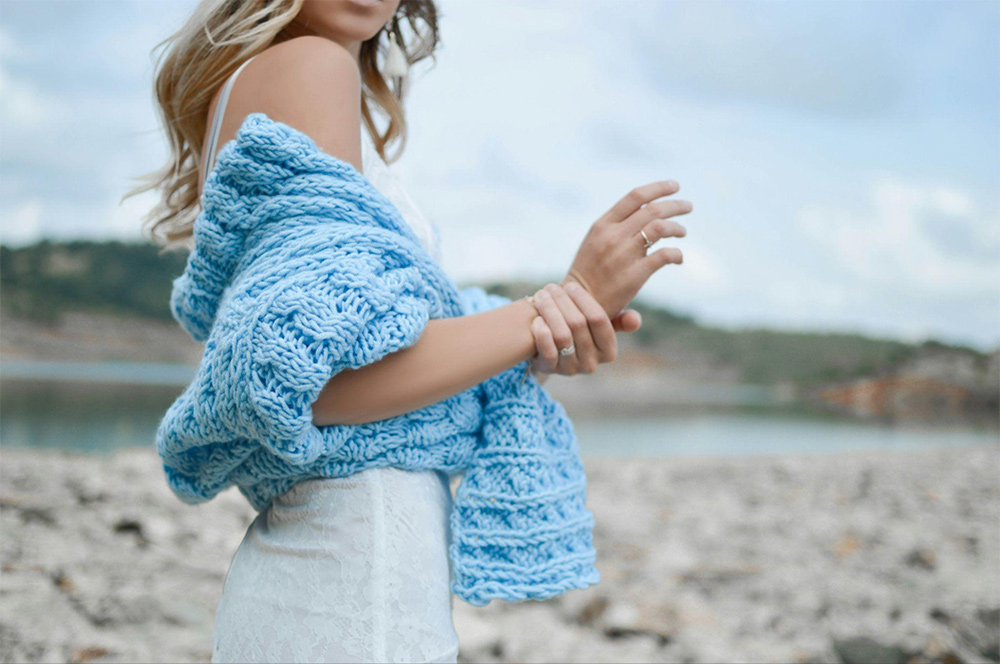
Photo by Tamara Bellis on Unsplash
Heritage knitwear has something fast fashion often struggles to reproduce: texture, recognizable craftsmanship, and a sense that the garment was designed to survive more than one season. Cable patterns, substantial wool, traditional stitches, and familiar silhouettes can make a sweater interesting even when the rest of an outfit is extremely simple. The challenge is styling those elements without making the entire outfit look as though it belongs to another decade. Usually, the knit itself is not the problem. What makes heritage clothing feel dated is combining too many traditional references at once.
Make Comfort Part of the Outfit, Not an Afterthought
One reason heritage knitwear remains easy to wear is that comfort is already built into the garment. A substantial sweater can provide warmth without requiring an outfit to feel overly formal or carefully constructed. That makes it particularly useful on slower days when dressing well and feeling comfortable do not need to compete. Pair a textured knit with relaxed trousers or denim, comfortable shoes, and a coat you can throw on without much thought. The same approach can extend beyond clothing: if a quiet evening at home already includes a personal wellness routine with products from https://medterracbd.com/, there is no reason the clothes you wear during that downtime cannot feel equally uncomplicated. Heritage pieces work particularly well when they are allowed to become normal clothes rather than garments saved for a specific aesthetic.
Let the Sweater Be the Traditional Part
A heavily textured knit already contributes plenty of visual character. If you combine it with tweed trousers, brogues, a flat cap, and another traditional pattern, the outfit can begin to resemble a costume. Instead, allow the sweater to carry most of the heritage influence. Straight-leg jeans are one of the easiest partners. Simple trousers, a clean midi skirt, or contemporary wide-leg pants can work just as well. The contrast is what makes the knit look current. You are not attempting to recreate the period associated with the garment; you are incorporating one traditional element into the way people dress now.
Pay Attention to Proportions
A traditional sweater can look completely different depending on what happens around its hemline. A long, bulky knit worn over equally loose trousers can overwhelm the body. Try balancing volume instead. A slightly oversized sweater can work with straighter bottoms, while a more compact knit gives you greater freedom to experiment with wide-leg trousers or fuller skirts. A partial tuck can also change the silhouette without changing anything else. Do not assume heritage knitwear must be fitted to look contemporary. Relaxed shapes can feel very current when the rest of the outfit gives them enough structure.
Choose the Tradition You Actually Want to Wear
"Heritage knitwear" covers far more than one type of sweater. Different knitting traditions bring their own patterns, textures, histories, and visual identities, so choosing a piece you genuinely like matters more than trying to reproduce a generic rustic look. Aran knitting is a particularly recognizable example because its cable-rich construction gives even neutral sweaters considerable depth. Collections from Aran Sweater Market make it possible to explore that tradition through sweaters, cardigans, and other knitted pieces rather than reducing the look to one familiar cream pullover.
Once you have a knit with enough character of its own, styling can actually become simpler. It does not need additional nostalgic accessories to explain what it is.
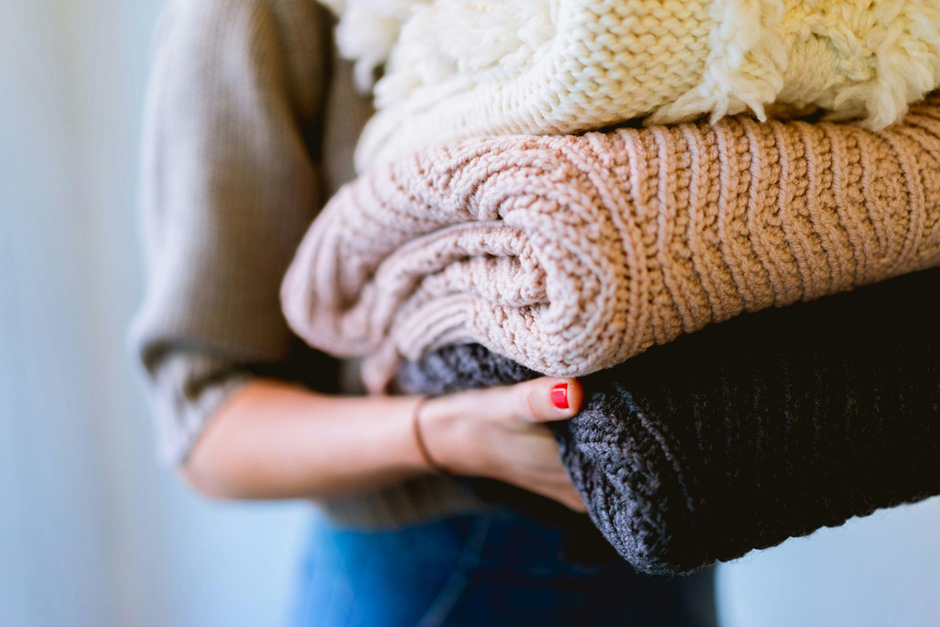
Photo by Dan Gold on Unsplash
Use Modern Shoes to Change the Entire Mood
Shoes have an enormous influence on whether heritage knitwear looks contemporary. Put a cable sweater with traditional leather footwear and the outfit immediately moves in one direction. Wear the same sweater with clean sneakers and it becomes much more casual. Loafers can make it polished, while streamlined ankle boots can create a sharper cold-weather combination. This is particularly useful if you inherited a sweater or already own one that feels slightly too traditional. Before deciding the garment itself is dated, change the shoes and trousers around it. You may discover that the sweater was never the problem.
Avoid Making Everything Brown
Heritage clothing is frequently associated with cream, camel, brown, olive, burgundy, and other earthy shades. They work beautifully with knitwear, but using all of them simultaneously can push an outfit heavily toward a traditional countryside aesthetic. Break up the palette. Cream cable knitwear can look sharp with dark denim or black trousers. A brown sweater can work with crisp white or ecru. Grey heritage knits pair easily with blue denim, while richer colors can become the focal point against otherwise restrained clothing. Traditional construction does not require a traditional color story from head to toe.
Mix Textures Instead of Matching Them
Chunky knitwear becomes more interesting when it is placed beside materials that behave differently. Try wool against smooth denim, leather, crisp cotton, or a fluid skirt. The contrast prevents an outfit from becoming visually heavy and allows the knit's texture to stand out. This is especially effective with cable patterns. Because the surface already contains so much detail, a simple neighboring fabric gives those stitches room to be noticed. Matching every element for texture can have the opposite effect. Several heavy, rustic materials worn together can make an outfit feel much more literal than intended.
Keep Accessories Simple
A heritage sweater does not usually need much assistance. Instead of adding multiple vintage-inspired accessories, choose one or two pieces that belong comfortably in your existing wardrobe. A simple leather bag, understated jewelry, contemporary sunglasses, or a clean belt may be enough. Scarves require a little thought when the sweater already has a prominent neckline or complicated stitch pattern. Adding another bulky texture directly around it can make the upper half of the outfit feel crowded. Give the knit some visual space. The craftsmanship becomes easier to appreciate when it is not competing with everything else you are wearing.
Wear It Outside the Expected Season and Setting
Heritage knitwear is often imagined beside fireplaces, countryside walks, and cold winter weekends. It does not have to stay there. A lighter knit can work on a cool spring evening. A cardigan can replace a jacket during transitional weather. A traditional sweater with tailored trousers can work in a casual office, while denim can take the same garment into an ordinary weekend. Removing the expected setting is one of the easiest ways to make an old design feel fresh. The sweater stops looking like part of a heritage "look" and starts functioning as another useful item in the wardrobe.
Do Not Modernize Away What Makes It Interesting
There is a point where trying too hard to make traditional clothing look contemporary removes the reason for wearing it. The cables, patterns, substantial texture, natural colors, and recognizable construction are exactly what give heritage knitwear its appeal. You do not need to disguise those characteristics. Instead, create contrast around them. Wear the traditional sweater with today's denim. Combine detailed knitting with simple tailoring. Use contemporary footwear and keep accessories restrained.
Heritage knitwear does not look dated simply because its design has history. In fact, that history is often what makes it more interesting than another plain sweater. The trick is to let the garment bring the past into the outfit without asking the rest of your wardrobe to go back there with it.
Hits: 4307 | Leave a comment
Tags:Heritage knitwear
About the Author

Silvia Kabaivanova
As the founder of Be Global Fashion Network and several other fashion websites, Silvia has been working for more than 20 years covering fashion industry trends and news. With a passion for the fashion business, she focuses on sustainable fashion and innovations, custom fashion and print on demand services. Silvia is a Chairman of Bulgarian Fashion Association. You can reach her at silvia@bgfashion.net