
Why Lightweight Shoes Are Perfect for Summer Travel
It's day two of the trip. You've already walked twelve miles between the airport, the hotel, and three "must see" streets a stranger recommended. Your feet are throbbing. Your ankles feel swollen. And somewhere around 4 p.m., you make the call every traveler dreads: skip the last stop, go back to the room, put your feet up. Nine times out of ten, the shoes are the problem. Not the itinerary.
Why Shoe Weight Quietly Wrecks a Trip
A pair of shoes that feels fine at home starts working against you after 15,000 steps in a single day, which is roughly what a full sightseeing day adds up to. Every extra ounce on your foot gets lifted, swung, and set down thousands of times before dinner. That weight doesn't feel like much in the store. By hour six of a walking tour, it feels like ankle weights. Lightweight shoes cut that load from the start. Less mass per step means less strain on your calves, your arches, and the small stabilizing muscles that keep you upright on cobblestones and uneven sidewalks. You notice the difference less in how the shoe feels when you put it on, and more in how your legs feel at the end of the day.
Packing Smarter Starts at Your Feet
Shoes are the heaviest, most awkward items in most suitcases. A single pair of heavy sneakers or boots can eat a noticeable chunk of your weight allowance, and that's before you've packed anything else. Lightweight travel shoes solve two problems at once. They weigh less on the scale at check-in, and they take up less physical space, since most lightweight designs use thinner soles and minimal structure. That matters even more if you're traveling carry-on only, where every gram counts against a strict limit. A practical rule: if a shoe feels heavy in your hand before you've even put it in your bag, it's going to feel heavier three cities into the trip.
Breathability Matters More in Summer Than You Think
Heat changes how your feet behave. They swell slightly during long flights and car rides, sweat more in humid climates, and are far more prone to blisters when they're trapped in a shoe that doesn't let air move. Breathable, lightweight materials, think mesh uppers, open weaves, and minimal linings, let heat and moisture escape instead of building up. That single feature is often the difference between feet that feel fine after a beach day and feet that are red, damp, and blistered by evening. It also helps with something nobody mentions until it happens: shoe odor after a week of daily wear with no laundry access.
One Pair, Every Activity
Packing five pairs of shoes for five different scenarios sounds thorough. In practice, it's dead weight. A well-chosen lightweight pair can move from a morning museum visit to an afternoon market to a casual dinner without you changing shoes or your feet paying the price for it. That kind of versatility isn't about compromise. It's about picking a shoe design that doesn't over-commit to one use case, the way a heavy hiking boot or a stiff dress shoe does. The best travel shoe is the one you forget you're wearing by 3 p.m.
What to Look for in a Lightweight Travel Shoe
Not every "lightweight" shoe on a shelf actually earns the label. A few things separate the ones that hold up on a real trip from the ones that just look light in a product photo.
- A flexible sole. Rigid soles fight your foot's natural motion and tire you out faster. A sole that bends with each step reduces that resistance.
- A breathable upper. Mesh, canvas, or open-weave leather beats sealed synthetic materials every time in heat.
- Minimal structure. Less padding and fewer internal layers mean less weight, and often more room for your foot to move naturally.
- A snug, adjustable fit. Straps or laces that let you tighten or loosen the fit matter more once your feet swell midday.
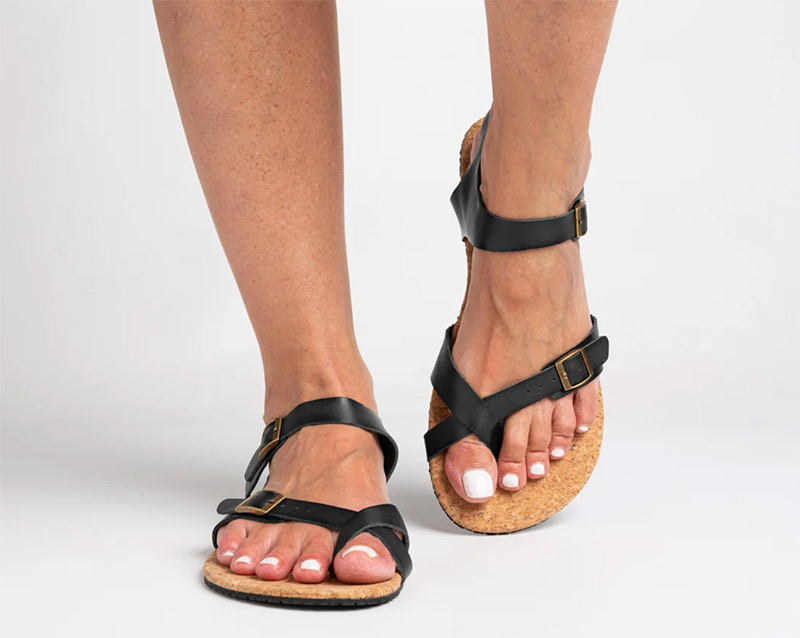
If you want to go a step further, minimalist styles like barefoot sandals push this idea to its logical end: near-zero weight, a wide toe box, and a thin, flexible sole that lets your foot move the way it's built to. They fold flat, weigh almost nothing in a bag, and work well as a second pair for evenings after a day in closed shoes.
Frequently Asked Questions
How many pairs of shoes should I pack for a week-long trip?
Two, usually. One lightweight, closed shoe for daytime walking and one lighter option, like sandals, for evenings or warm-weather days. Anything beyond that is rarely worth the extra weight and space.
Are lightweight shoes less durable than heavier ones?
Not necessarily. Durability comes from materials and construction quality, not sheer weight. A well-made lightweight shoe from a reputable brand will hold up over a week of daily travel just fine. What won't hold up is a cheap shoe that happens to be light.
Are barefoot sandals good for travel?
Yes, especially as a second pair. Their minimal weight and flat, foldable design make them easy to pack, and the wide toe box and thin sole are comfortable for warm climates, beach days, and evenings when your feet need a break from closed shoes.
Can I wear lightweight shoes for a full day of walking?
For most people, yes. A well-designed lightweight shoe with a flexible sole and breathable upper holds up fine across a full sightseeing day. If you have specific foot or joint conditions, check with a podiatrist before relying on any minimalist shoe for extended walking.
Hits: 43 | Leave a comment
Tags:sandals, shoes, barefoot sandals
About the Author

Stella Cooter
Journalist, traveller and mother, Stella writes about fashion and style, luxury and adventure.