
How to Review a Garment Spec Sheet Before the Next Sample
* Sponsored content from AI Tech Packs.*
A sample arrives with a waist that is larger than expected. Before asking the factory to change the pattern, the technical team needs to establish three things: which measurement was approved, how the sample was measured, and which document version the factory used.
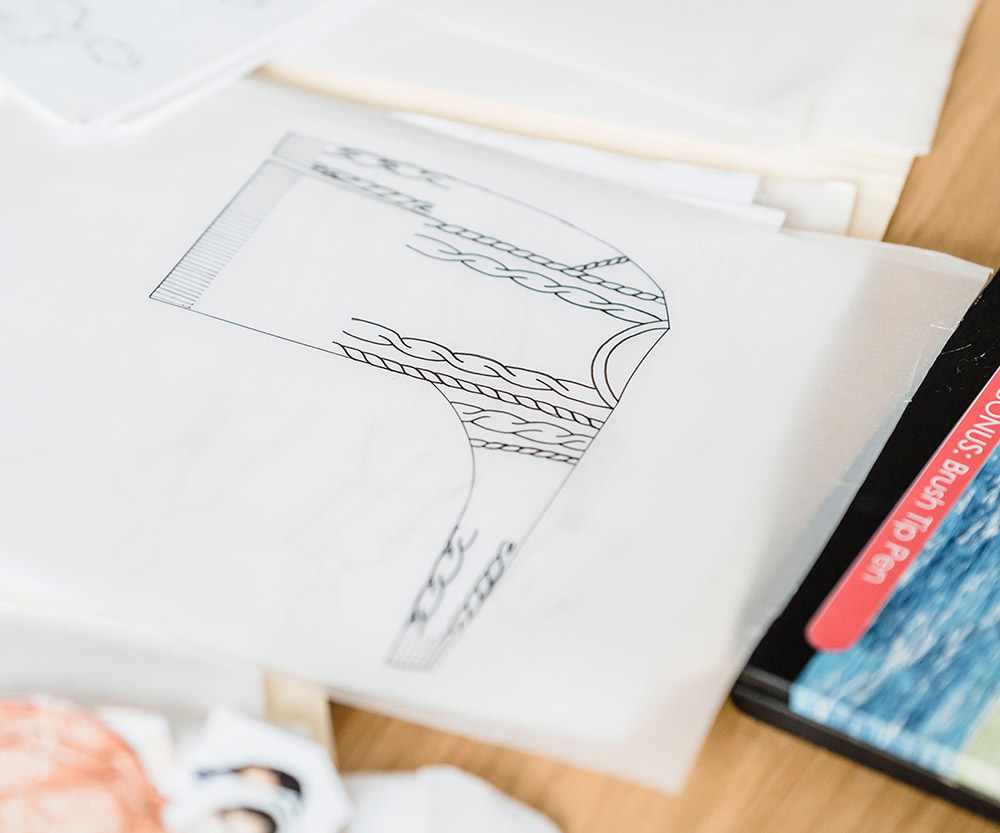
Photo: pexels.com
For womenswear teams developing several styles at once, a garment spec sheet gives those decisions a shared reference. Its usefulness depends on the detail behind each number. A target without a measuring method, tolerance or revision status leaves room for different interpretations.
A practical review starts with one measurement and follows it through the sample, drawing and correction record.
Make the measurement method explicit
Consider the size-S strapless dress in AI Tech Packs’ worked garment spec sheet example. The sample document records a waist circumference of 66.0 cm, with a tolerance of ±1.5 cm. The corresponding range is 64.5–67.5 cm.
These are values from an example pack, not recommended measurements for every dress. A technical designer must establish the appropriate specification for the actual style, fabric and fit.
The word “circumference” matters. A full waist circumference and the width of a garment laid flat are different measurements. The team should identify the waist level on the drawing and agree on how to arrange the garment before measuring it. For a stretch garment, the measuring instructions also need to distinguish between a relaxed and an extended condition where relevant.
Record the unit alongside the numbers. A spreadsheet heading that clearly states centimetres is more useful than a measurement column whose unit must be inferred from an earlier email.
Keep the target separate from the sample result
Suppose that dress sample measures 68.0 cm at the specified waist point. That is outside the example’s 67.5 cm upper limit. It is a hypothetical review exercise, not a reported factory result.
Record 68.0 cm as the measured sample value while retaining the 66.0 cm target. Replacing the target with the sample result would hide the difference the team needs to discuss.
Next, verify that both parties used the same measuring method. Review the fit and pattern with the responsible technical designer before deciding on the correction. A measurement outside tolerance identifies a discrepancy; it does not, by itself, explain the pattern change required to resolve it.
Conversely, a measurement within tolerance does not establish that the garment fits as intended. Measurement review and fit approval are related decisions, and both need an identified owner.
Check the drawing and materials together
A measurement table belongs with the rest of the style documentation. In the same dress example, the pack specifies an invisible zipper at the centre-back seam and an 8.0 cm rosette at the front right waist.
Those details should agree across the flat drawing, construction notes and materials information. If a design revision moves the trim or changes a closure, review every affected reference. A corrected drawing beside an outdated component description can leave the sample room with conflicting instructions.
Also distinguish tolerance from grading. Tolerance describes permitted variation around a target within a size. Grading defines the intended change between sizes. The sample pack covers size S; its tolerances do not supply the grade rules for a complete size range.
Make the next revision easy to follow
A useful sample comment identifies the point of measure, target, tolerance, actual result and required next step. Add the date, reviewer, sample round and a marked-up image when it clarifies the issue.
Keep the status visible: awaiting review, correction requested or approved, for example. Preserve the previous revision so the team can trace what changed, while clearly identifying the version the factory should use next.
Before sending the pack back, check that:
-
The style, sample size, units and revision are identified.
-
Each critical measurement has a defined method.
-
Sample results remain separate from approved targets.
-
Drawings, construction notes and component details agree.
-
Someone owns the fit review and final approval.
AI-generated documentation can provide a starting draft. Measurements, fabric information and construction suggestions still need technical review before they become instructions to a factory. The next sample should answer a clear set of recorded questions, rather than introduce another version of what the team meant.
Hits: 39 | Leave a comment
About the Author

Stella Cooter
Journalist, traveller and mother, Stella writes about fashion and style, luxury and adventure.