
From Mood Board to Production File: Building a Clear Brief for Private-Label Cashmere
In private-label cashmere, a strong product idea usually starts with something visual: a mood board, a reference garment, a colour direction or a sketch. Those are valuable starting points, but they are not yet a production brief. Before a factory can develop a sample consistently, the creative intention has to become a set of decisions that a technical, sourcing and quality team can all read in the same way.
A clear brief does not make development rigid. It does the opposite: it shows which decisions are fixed, which remain open for factory advice and which must be approved before bulk production. That clarity helps a brand protect its product idea while giving the manufacturing team enough information to make a meaningful sample and quotation.
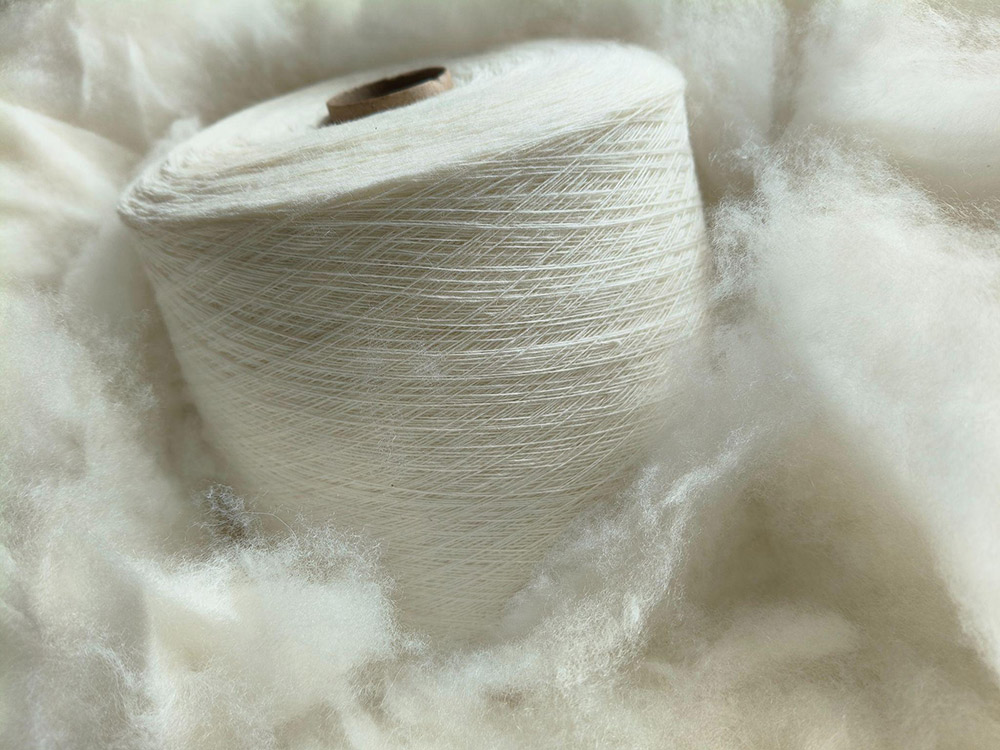
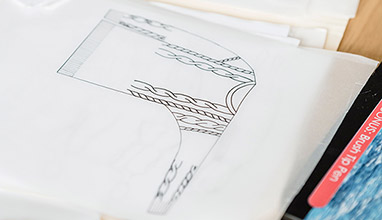
Factory teams need a shared product brief before a design moves into sampling and production.
A mood board needs a product definition
Reference images can communicate the feeling of a collection, but they rarely define the garment. Two sweaters that look similar in a photograph can differ in fibre composition, yarn count, gauge, stitch structure, finished weight, measurements, wash treatment and trim construction. Each difference can affect the hand feel, cost, sample route and production plan.
Start the brief with a one-page product definition. Name the product family, intended wearer, season and target market. Then state whether the goal is an adaptation of an existing style or a new development. This gives the factory a practical context before it starts to interpret the design.
Turn the visual reference into measurable information
The next step is to translate the look into a technical description. For knitwear, that normally means recording the intended material, construction, neckline, sleeves, cuffs, hem, silhouette and finishing details. Measurements should identify the base size, how other sizes will be graded and which dimensions have the tightest tolerance. If a fabric or surface effect matters, attach a close-up reference rather than relying only on a full-body image.
It is also useful to separate a requirement from a preference. A brand may require a particular fit or branding method, while being open to advice on a feasible knit construction. Marking that distinction reduces unnecessary sampling cycles and lets the factory identify alternatives before material is committed.
Make colour and material choices traceable
Colour is more than a palette image. The brief should identify each colourway, its reference source and whether substitutions are acceptable. For material, record the requested composition, yarn specification where known and any claim the finished product is expected to support. A supplier should be asked to explain what evidence is available for the specific material and order; a general marketing statement or an unrelated certificate image is not a substitute for product-specific confirmation.
This is particularly important for cashmere. Brands should not make a fibre, origin, certification or sustainability claim until the supplier has confirmed the applicable scope and supporting documentation for the actual product route. Keeping claims out of the brief until they are verified protects both the brand and the factory team from approving labels or copy too early.
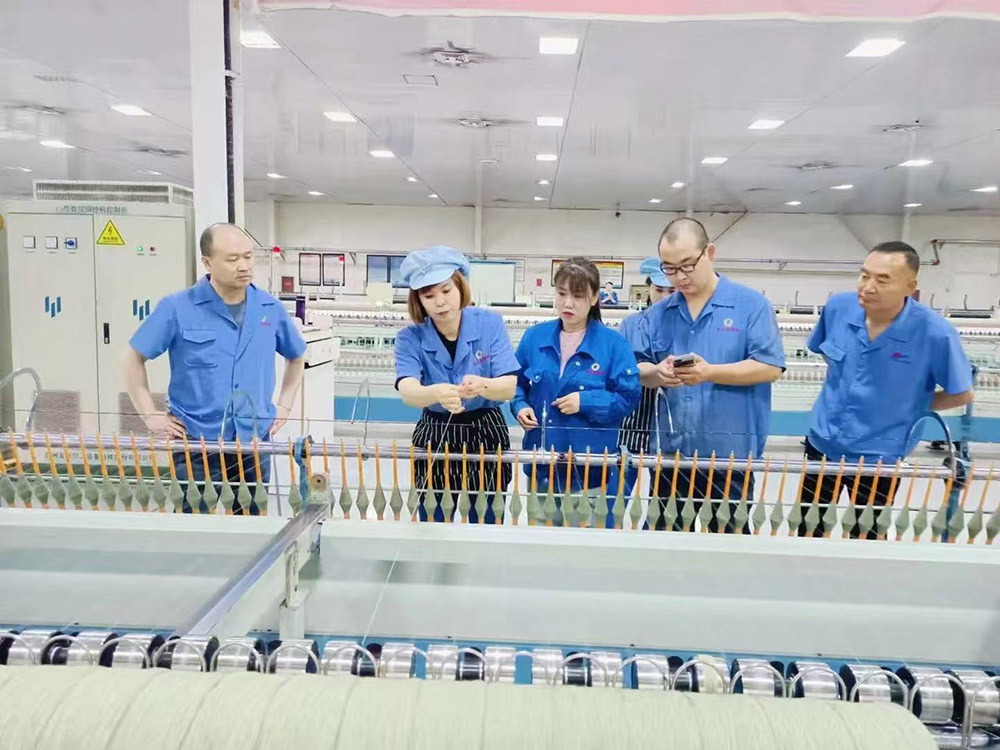
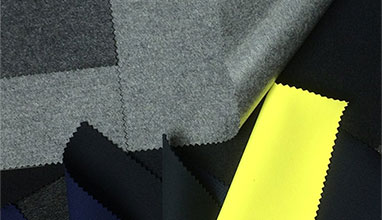
Material choices should be connected to an approved specification and order-specific evidence.
Specify the parts customers will notice
Labels, hangtags, care information, bags, boxes and shipping marks are often treated as final details. In practice, they can hold up a finished programme if they are not defined early. Put every branding component in its own line item: the artwork version, material, dimensions, colour, position, application method and required approval. If any item is still undecided, say so clearly instead of letting the factory guess.
The same principle applies to packaging. A folding method, tissue paper, insert card, barcode position or carton mark may appear minor, but each has to fit the product and the destination-market requirements. The brief should name the destination so that the supplier can flag the labelling, test or shipping information that may need attention.
Give quantities and timing the right context
There is no useful “standard MOQ” or “standard lead time” for every cashmere project. The relevant answer depends on the style, colour count, sizes, yarn, custom components, season and the approvals still outstanding. A practical brief therefore gives quantity scenarios by colour and size, along with the desired delivery country and target date.
Ask the supplier to show its assumptions in the quotation and schedule: material preparation, sampling, approval, production, finishing, inspection, packing and handover. That lets a buyer compare alternatives on the same basis instead of treating a broad promise as a commitment.
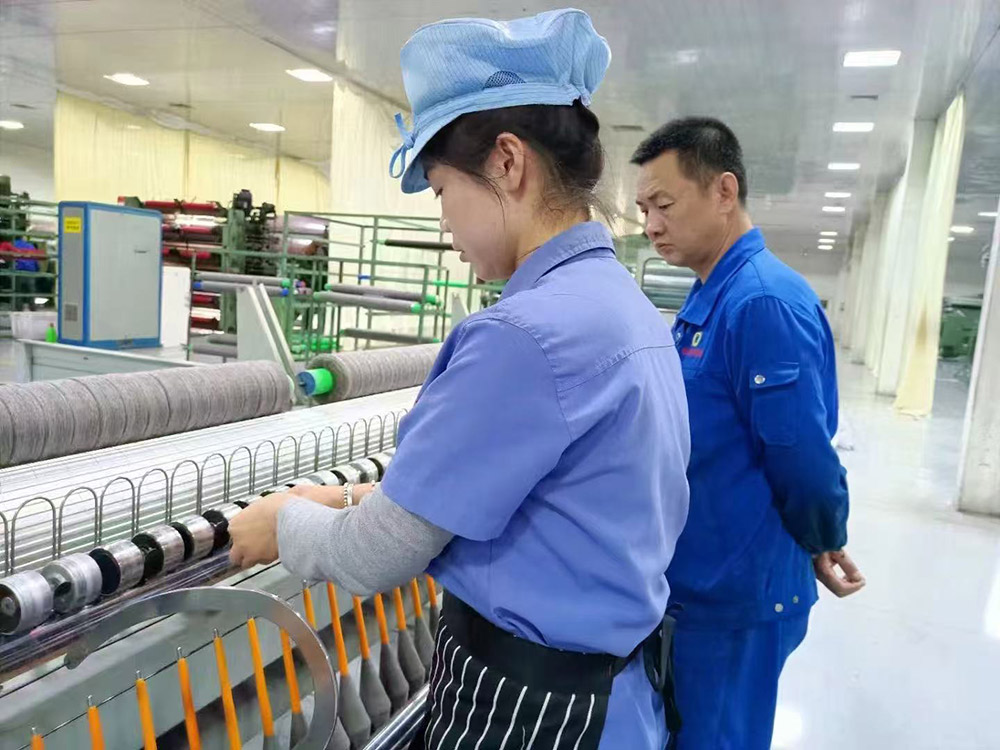
Production controls are more useful when the approved material and specification are clear to the technical team.
Use sampling to test the working process, not only the look
A development sample should do more than confirm whether a garment photographs well. It should test whether the factory can convert the brief into a controlled specification, record revisions and explain any technical limitation. Each revision needs an identifier, dated comments and a clear decision: approved, approved with changes or rejected.
Before bulk production, the approved reference should connect the product specification, material, measurements, labels and packaging. This creates a shared point of reference for the brand, the production team and the quality inspection stage. It is far safer than releasing production from a chat message or an unlabelled photograph.
A brief is a working document
The best briefs are updated as the product becomes clearer. They keep a simple record of decisions, versions and open points, so that a correction to a cuff, colour or label is visible to everyone involved. This discipline is useful for a first sample and even more valuable when a collection expands into new colours, sizes or repeat orders.
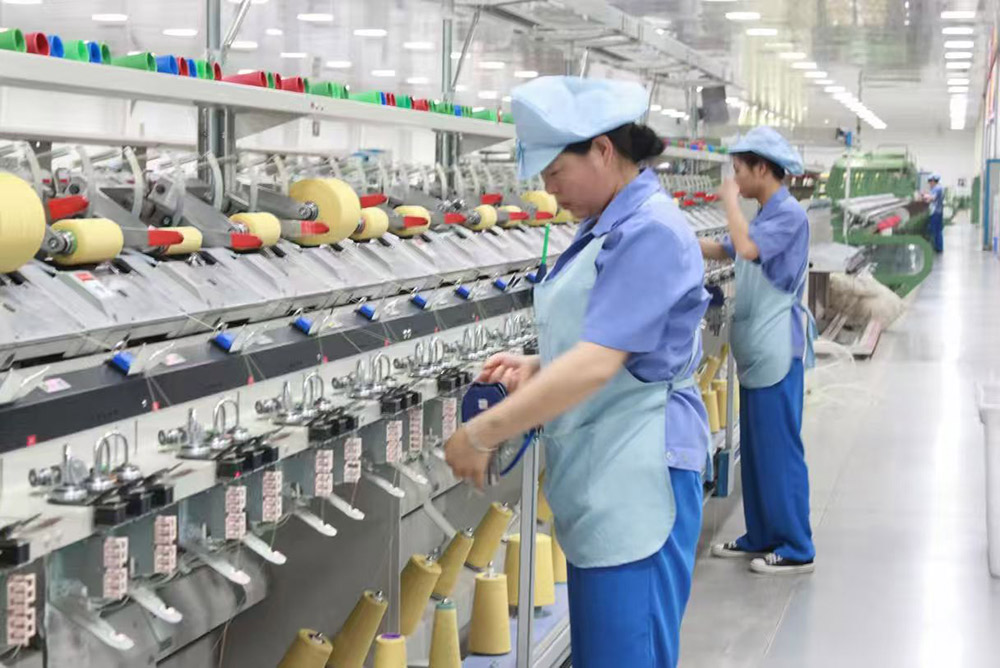
A documented brief helps production teams carry approved decisions through each manufacturing stage.
For brands preparing an OEM programme, OEM Cashmere’s cashmere manufacturing services overview shows the production discussion from yarn and sample review through bulk production, quality control, private labelling, packaging and export coordination. The useful starting point is always the same: give the factory a clear brief, ask it to state its assumptions and confirm each critical decision before production begins.
Private-label cashmere brief: essential fields
-
Product type, season, intended wearer and reference images
-
Material and construction requirements, plus any open technical questions
-
Base measurements, size range, grading and finished-weight expectations
-
Colours, colour references and acceptable alternatives
-
Labels, trims, artwork, packaging and shipping-mark requirements
-
Quantity by style, colour and size, with a target delivery country and date
-
Sample approval, inspection, documentation and commercial points to be confirmed for the order
Hits: 68 | Leave a comment
About the Author

Stella Cooter
Journalist, traveller and mother, Stella writes about fashion and style, luxury and adventure.
Related Articles