

Pheromone Perfume vs. Traditional Fragrance: What Makes Them Different?
Most people pick a perfume based on how it smells in the bottle or on a paper strip at the counter. Reasonable enough. But that approach misses something genuinely worth knowing: not all fragrances behave the same way once they meet your skin. The debate around pheromone perfume vs. traditional fragrance runs deeper than scent notes; it's about how a formula interacts with your body, what it's actually trying to accomplish, and why two people wearing the same bottle can smell completely different by the end of the day.
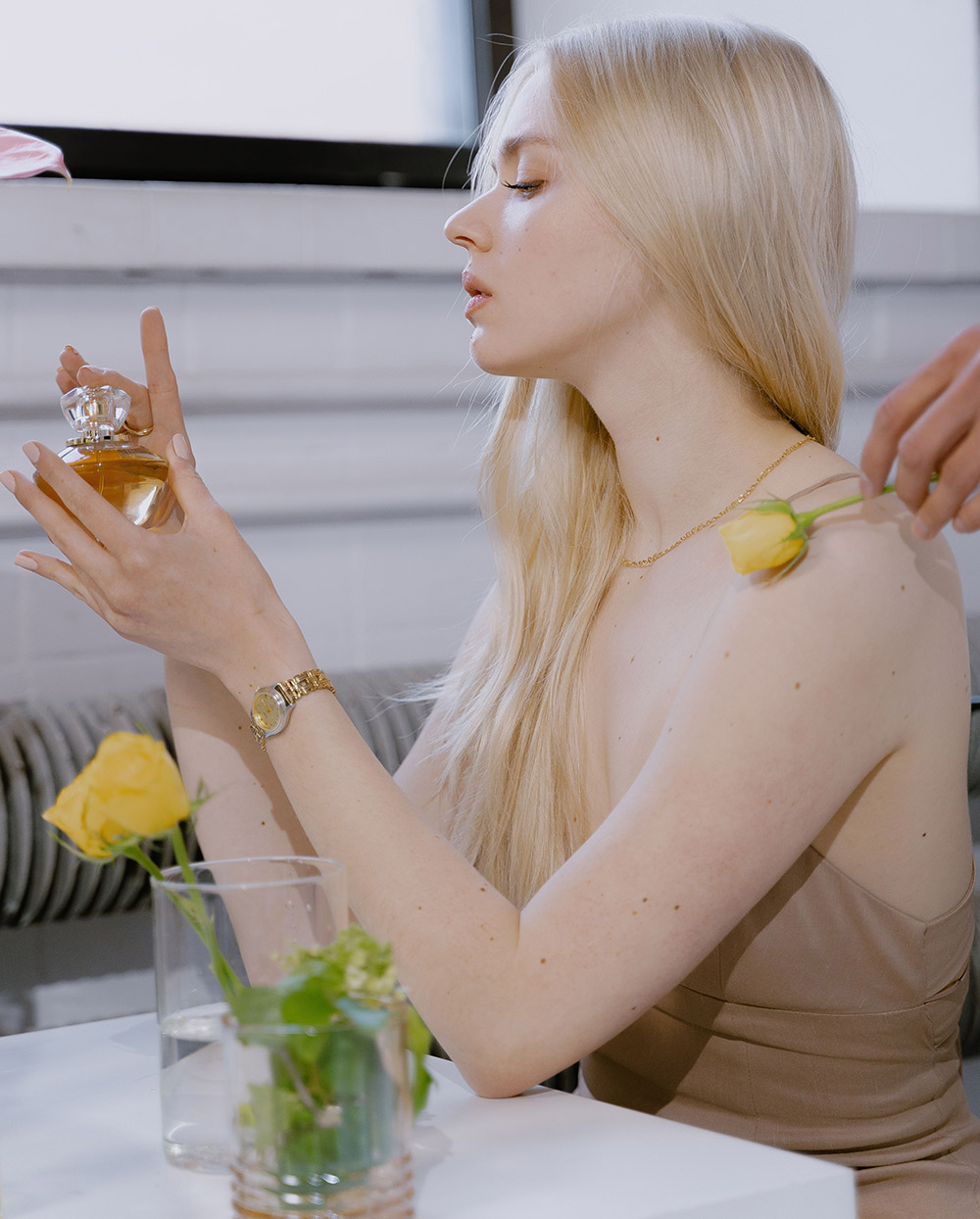
What Pheromone Perfumes Are Actually Designed to Do
A standard perfume is built around aromatic compounds arranged into top, middle, and base notes, while pheromone perfumes are marketed as adding another dimension: ingredients intended to influence attraction or social perception. For example, the Seduction pheromone perfume from ForChics, along with pheromone fragrances from Eye o f Love and Pherazone, is positioned as a way to complement your natural scent while adding an element of attraction. That design intention helps explain the category's appeal, although it should not be taken as a guarantee of how others will respond.
How Skin Chemistry Shapes the Scent
One of the clearest differences between these two product types shows up after application. Traditional fragrances are created to perform consistently across many wearers; the perfumer's vision is meant to come through whether you're in Phoenix or Portland. Pheromone formulas don't work that way. They interact with your skin's natural oils, pH level, and individual microbiome, so the scent can shift noticeably from one person to the next. Someone with drier skin may find the top notes burn off faster, while oilier skin tends to anchor base notes longer. This isn't a flaw; it's baked into how the product is meant to behave.
Many brands that produce pheromone blends design for this variability, actually, so what you end up wearing is partly yours and partly the formula's. Traditional perfumery doesn't really embrace that idea; consistency across wearers has always been the goal of a well-constructed classic fragrance.
The Ingredient List: Synthetic Pheromones vs. Aromatic Compounds
Traditional perfumes are built from aromatic raw materials, natural extracts like jasmine absolute, vetiver, or bergamot, alongside synthetic accords that give perfumers more control and consistency. Pheromone formulas carry all of that, but they also include synthesized pheromone compounds. The most studied of these in human-focused products are androstenone, androstenol, androstadienone, and estratetraenol, each tied in research to different social and behavioral signals. A 2017 study published in the journal Royal Society Open Science found that androstadienone influenced mood and attention in women exposed to male donors, though researchers were careful to note that individual response varied considerably. Honestly, it's worth separating the science from the marketing here. No reputable researcher claims pheromones make you irresistible. What the evidence actually points to is subtler, these compounds can influence mood, perception, and social attentiveness in ways that are real but far from automatic.
How Traditional Fragrances Are Constructed and What They Prioritize
Traditional fragrance is an art form built around olfactory pleasure. A classically trained perfumer structures a scent around three tiers: top notes that hit first and fade quickly, heart notes that define the fragrance's character, and base notes that linger longest on the skin. This architecture has driven mainstream perfumery for well over a century, and the goal has always been to create something that smells beautiful, consistent, and memorable.
What a traditional perfume doesn't try to do is influence the wearer or those around them through chemical signaling. It works entirely through the olfactory system in the most direct sense: you smell it, your brain processes it, and you form an emotional or aesthetic response. That response can be powerful (scent is one of the strongest triggers of memory and emotion we have), but it's driven by the fragrance's composition alone, not by any physiological mechanism sitting outside of smell itself.
Longevity, Sillage, and Concentration Explained
A practical question most shoppers eventually ask is how long a scent lasts - and traditional perfumery has a clearly defined vocabulary for this. Concentration drives performance: an eau de cologne sits at roughly 2 to 4 percent aromatic compound concentration, an eau de toilette lands between 5 to 15 percent, and a pure parfum can reach 20 to 30 percent. Higher concentration generally means longer wear and greater projection, called "sillage" in perfumery terms - the scent trail you leave behind.
Pheromone perfumes vary widely in how they approach this spectrum. Some are formulated as oil-based blends without alcohol, giving them a closer, more skin-centric wear rather than the projecting cloud you'd get from a standard eau de parfum. Others are built on alcohol carriers that behave more like traditional sprays. The right choice really comes down to what you want the fragrance to do and how you prefer it to feel throughout the day.
The Price and Market Positioning Gap
Traditional fragrances span the full spectrum, from mass-market drugstore options under $20 to luxury and niche perfumes that exceed $500 per bottle. Pheromone perfumes tend to cluster in the mid-range, largely because synthesized pheromone compounds add real formulation cost, and because many of these products are sold directly to consumers online rather than through department store markup structures.
And because this category sits at the intersection of beauty and behavioral science, the marketing often involves more ingredient transparency than you'd typically see from a mainstream fragrance house. Brands in this space frequently publish what's in their pheromone blends, how the compounds were developed, and what specific effects they target; the educated buyer here tends to research before purchasing. So that level of disclosure makes sense. It's still relatively rare in traditional fine fragrance, where formulas are guarded closely as proprietary assets.
The pheromone perfume vs. traditional fragrance question doesn't have a single right answer; it depends on what you're actually looking for from a scent. Traditional fragrances deliver a crafted, consistent sensory experience built around aesthetic pleasure and olfactory artistry. Pheromone perfumes take a different path, adding synthesized chemical signals intended to interact with your biology and the people around you; the results are real but subtle rather than dramatic. Both categories reward the same thing: understanding what a formula is built to do before you spend money on it.
Hits: 43 | Leave a comment
Tags:perfumes, pheromone perfume
About the Author

Stella Cooter
Journalist, traveller and mother, Stella writes about fashion and style, luxury and adventure.