
Turn Seasonal Footfall Into Year-Round Fans
Seasonal events give local businesses something the high street cannot always offer: a ready-made crowd in a buying mood. From spring fairs and summer festivals to autumn food markets and Christmas pop-ups, these occasions can put your brand in front of new customers. The real opportunity, though, is not simply turning up. It is creating an experience people remember after the stalls have packed away.
Choose Events With Purpose
A busy event is not automatically the right event. Look at the organiser's audience, previous attendance, location and mix of traders. A family festival may suit gifts, treats and children's products, while an evening market could be stronger for premium food, homeware or fashion. Ask what is included in the pitch fee, such as tables, electricity, lighting and promotion. Confirm any insurance or documentation required, too. Traders may need a temporary or permanent licence, so check the GOV.UK market stall licence guidance and contact the relevant council well in advance.
Create A Stall That Stops People
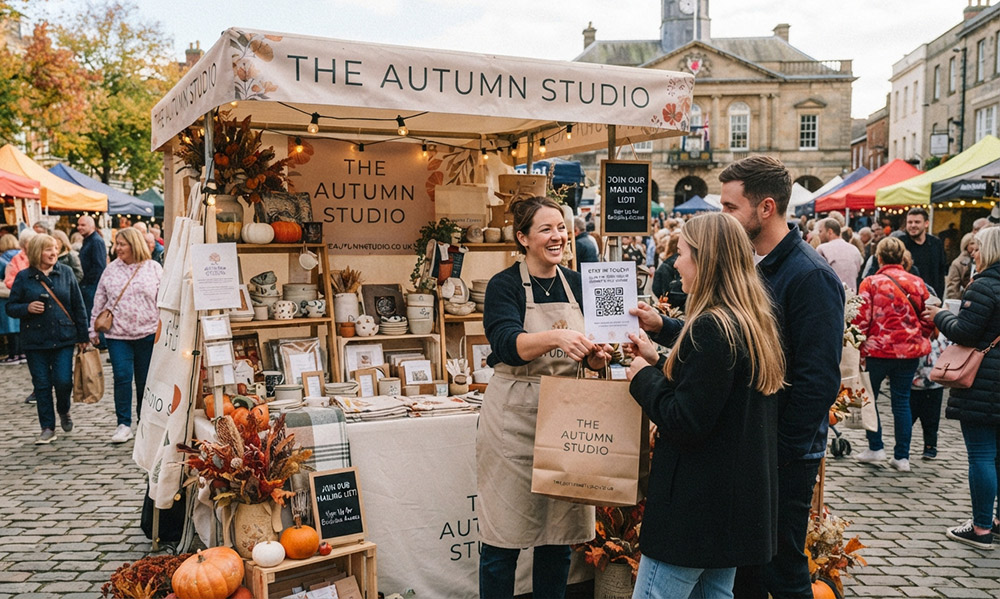
Shoppers decide quickly whether to approach, so make your offer understandable from several steps away. Use a clear sign, display bestsellers at eye level and group products by price or purpose. A small selection usually feels more inviting than a crowded table. Build the season into the details. Coordinated colours, gift-ready bundles and custom sticker printing for seasonal packaging can make even a simple purchase feel considered. Keep branding consistent across bags, price cards and payment points so customers can recognise you later. Give visitors a reason to pause. Samples, demonstrations or a quick personalisation option can begin conversations without a hard sell. Prepare a short explanation of what makes the business distinctive, but let genuine curiosity lead the interaction.
Plan For Practical Surprises
Outdoor trading rewards preparation. Bring secure weights, waterproof covers, spare signage, chargers and more packaging than you expect to use. The Met Office's case study on weather planning for food festivals shows how forecasts can help organisers and traders make earlier decisions, reducing waste and financial risk. Make payment easy with clearly displayed options, tested equipment and a backup plan for weak signal. Keep stock organised so replenishment is quick, and note which items sell fastest. Those observations can sharpen buying decisions for the next event.
Turn Market Visitors Into Regulars
A successful market day should continue working after closing time. Invite customers to follow your social channels, join an email list or scan a QR code for future offers. Any incentive should feel worthwhile and simple, such as early access to the next seasonal collection. Post before, during and after the event. Share where to find you, introduce neighbouring traders and thank visitors afterwards. Tag the organiser where appropriate, as this can extend your reach into an already engaged local community.
Finally, review results beyond revenue. Record footfall, average spend, popular questions, sign-ups and repeat enquiries. Seasonal events are valuable testing grounds for products, messages and pricing. With thoughtful preparation and a clear follow-up plan, one lively market can create relationships that last far beyond the season.
Hits: 23 | Leave a comment
Tags:seasonal events, football
About the Author