
The Art of Selling the Look: What Makes Fashion Accessories Stand Out
Fashion accessories rarely sell on function alone. A watch tells the time, a handbag carries essentials, sunglasses protect the eyes, and jewelry adds decorative detail. Yet people usually choose one design over another because of what it contributes to an overall look.
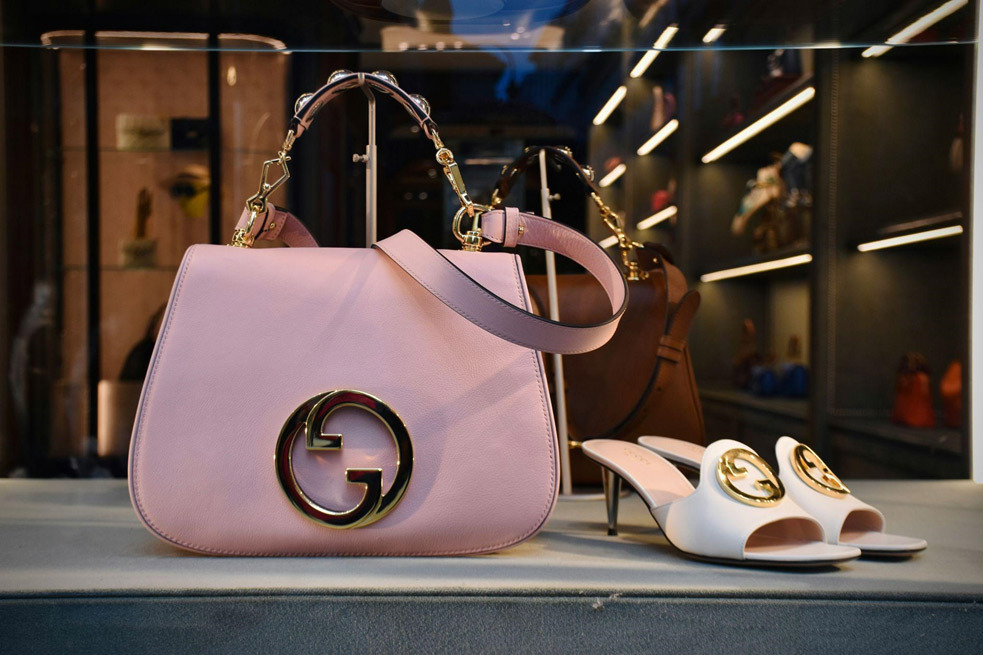
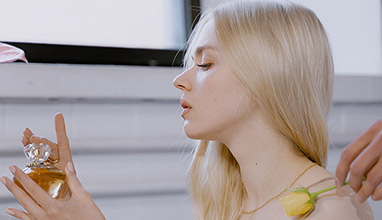
Photo by Arno Senoner on Unsplash
That makes selling accessories particularly visual. The product needs to attract attention, but customers also need to imagine where it belongs: with a particular outfit, at a certain occasion, or within the style they want to create. From retail displays to photography and styling, the most successful presentation turns an individual accessory into part of a much bigger fashion story.
Create a Visual Identity Before Displaying Individual Products
A strong accessory display begins before the customer examines a particular bag, watch, or pair of sunglasses. The surrounding presentation establishes what kind of style the collection represents. Color, typography, imagery, fixtures, and signage should therefore feel connected. A minimalist jewelry collection might benefit from generous empty space and restrained graphics, while colorful fashion accessories can support a more energetic presentation. Printed materials remain useful because they can connect physical products with that broader identity. Retailers preparing window graphics, promotional displays, posters, or other branded materials can use services such as Printmoz to create visual elements that help a collection appear intentional rather than simply arranged on available shelves.
Consistency is more important than filling every surface. Too many competing messages can make even attractive products difficult to notice. The best visual identity gives accessories a recognizable environment while still allowing the merchandise itself to remain the focus.
Show Accessories as Part of a Complete Outfit
One of the limitations of displaying accessories individually is that customers have to imagine how they will look when worn. Styling solves that problem. A handbag beside a coordinated coat and shoes immediately communicates more than the bag alone. Sunglasses become easier to understand when photographed with a complete summer look. A watch can appear casual beside denim and knitwear or considerably more polished with tailoring and jewelry. Recognizable collections such as Michael Kors Watches for Women demonstrate why watches can function as fashion accessories rather than purely practical objects. Different finishes, dial designs, bracelet styles, and proportions can complement different outfits, giving retailers plenty of opportunities to present a watch as part of a broader look. The same principle applies across accessory categories. Instead of asking customers to imagine every combination themselves, good styling provides inspiration while leaving enough flexibility for personal interpretation.
Use Scale to Decide What Gets Attention First
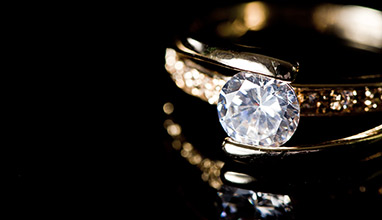
Not every item in a display should compete equally for attention. Visual hierarchy helps customers understand where to look first. A hero product might occupy the central position, appear on a raised platform, or receive additional space around it. Supporting pieces can then complete the story without competing with the main attraction. This technique is especially useful with small accessories. Rings, earrings, watches, and other compact products can disappear visually when surrounded by too much merchandise.
Space can therefore be as valuable as decoration. The same idea applies online. A strong primary photograph should establish the product immediately, while secondary images can reveal details, alternative angles, scale, and styling possibilities. Retailers sometimes try to communicate value by showing enormous quantities of merchandise at once. For fashion accessories, that can have the opposite effect. Giving individual pieces enough visual room can make the entire collection appear more considered.
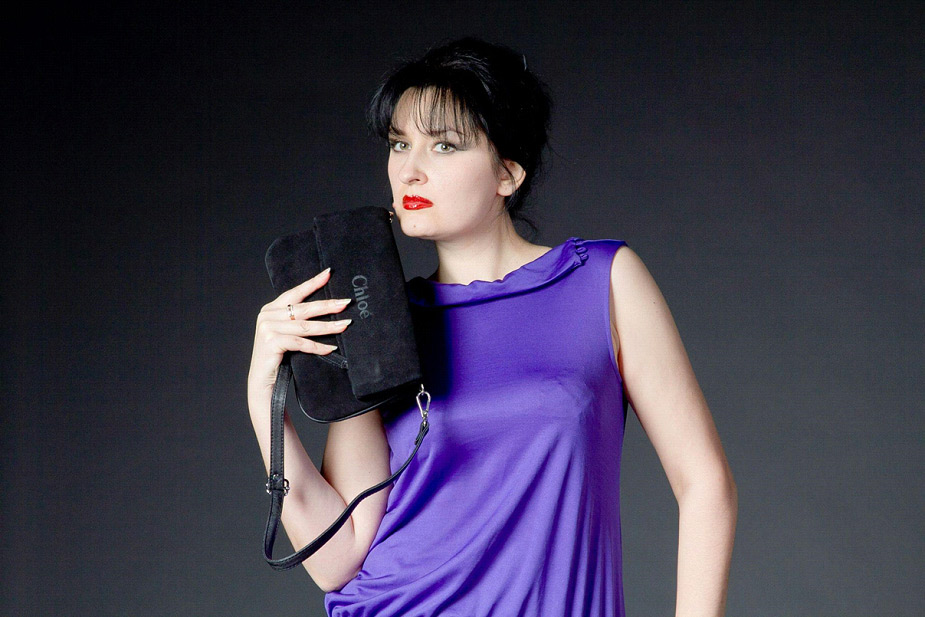
Photo by Barry Fitzsimmons on Unsplash
Photography Needs to Sell Detail and Possibility
Accessory photography has two different jobs. First, it needs to show the product accurately. Customers should be able to understand color, texture, proportions, hardware, finishes, and important design details. Second, it needs to create desire. That is why a combination of clean product photography and lifestyle imagery works particularly well. A straightforward close-up provides information, while a styled photograph demonstrates how the accessory changes an outfit.
Scale deserves special attention. A handbag photographed by itself may appear larger or smaller than expected. Earrings can be difficult to judge without seeing them worn. Watches vary substantially in case size and bracelet proportions. Showing products on people reduces that uncertainty. Consistency across photographs matters too. When lighting, backgrounds, cropping, and image quality change dramatically between products, a collection can feel disconnected even when the individual items are attractive.
Let Materials and Finishes Do Some of the Selling
Accessories are often defined by details that customers want to examine closely. The texture of leather, shine of polished metal, stitching around a bag, surface of a watch dial, or finish of a piece of jewelry can influence whether something feels casual, luxurious, traditional, or contemporary. Retail presentations should make those details easy to appreciate.
In physical stores, lighting can emphasize surfaces and shapes. Customers should also be able to inspect products comfortably rather than viewing everything through cluttered displays. Online, close-up photography becomes essential. Zoom functions and detailed images can communicate characteristics that would otherwise be obvious only when holding the product. Descriptions should support rather than replace those visuals. Instead of relying entirely on vague terms such as “luxurious” or “premium,” useful product copy can explain materials, dimensions, finishes, fastening methods, and other details that help shoppers understand what distinguishes the item.
Change the Story Without Constantly Changing the Products
A fashion accessory does not need to be new to feel newly relevant. Changing the surrounding styling can completely alter how customers perceive it. A neutral handbag displayed with light fabrics and sandals can become part of a summer story, then appear entirely different beside a coat and boots several months later.
Watches, jewelry, belts, and sunglasses offer similar flexibility. Seasonal presentation therefore does not have to depend exclusively on new inventory. Retailers can refresh displays by changing color combinations, clothing, photography, props, signage, and the occasions around which products are grouped. Gift-giving provides another opportunity. An accessory previously presented as part of an everyday wardrobe can become a birthday, anniversary, graduation, or holiday gift simply through a change in context. This keeps displays fresh while showing customers that versatile accessories can serve more than one purpose.
Make the Customer Picture the Accessory in Their Own Wardrobe
Ultimately, the most effective accessory presentation answers one quiet question: what would this look like on me? That is why context matters so much. Showing several ways to style the same piece can make it easier for customers to connect the product with clothes they already own. A watch might appear with office tailoring in one image and a relaxed weekend outfit in another. A handbag can move between daytime and evening styling. Jewelry can be shown individually and layered. Retail displays can accomplish something similar by grouping complementary pieces without making the combination feel mandatory. The goal is inspiration rather than instruction.
Fashion accessories stand out when presentation communicates both identity and possibility. Strong branding attracts attention, careful displays create hierarchy, detailed photography builds understanding, and styling gives customers a reason to imagine the product beyond the shelf or screen. The product still has to appeal on its own. But when everything surrounding it tells a coherent story, an accessory stops looking like one more item in a catalog and starts looking like the detail that could complete an outfit.
Hits: 5181 | Leave a comment
Tags:fashion accessories, watches, handbags, sunglasses, jewelry, retail
About the Author

Stella Cooter
Journalist, traveller and mother, Stella writes about fashion and style, luxury and adventure.