
7 Tips for Choosing the Best Dancewear for Kids
Young dancers need dancewear that supports movement beyond a weekly class. Families look for pieces that withstand repeated washing, fit growing bodies, and adapt to changing studio routines. Fabric, cut, sizing, and styling all affect how a leotard or warm-up layer performs. These seven tips show how practical details shape children's everyday dance clothing. The first tip starts with comfort that supports focus in class.
Parents should assess fit, fabric, and care instructions before choosing a class outfit. A useful checklist includes secure straps, enough stretch, flat seams, and quick-drying fabric. Good dancewear for kids should allow full leg extension, stay secure during turns, and feel comfortable during floor work. Those details guide the seven tips below.
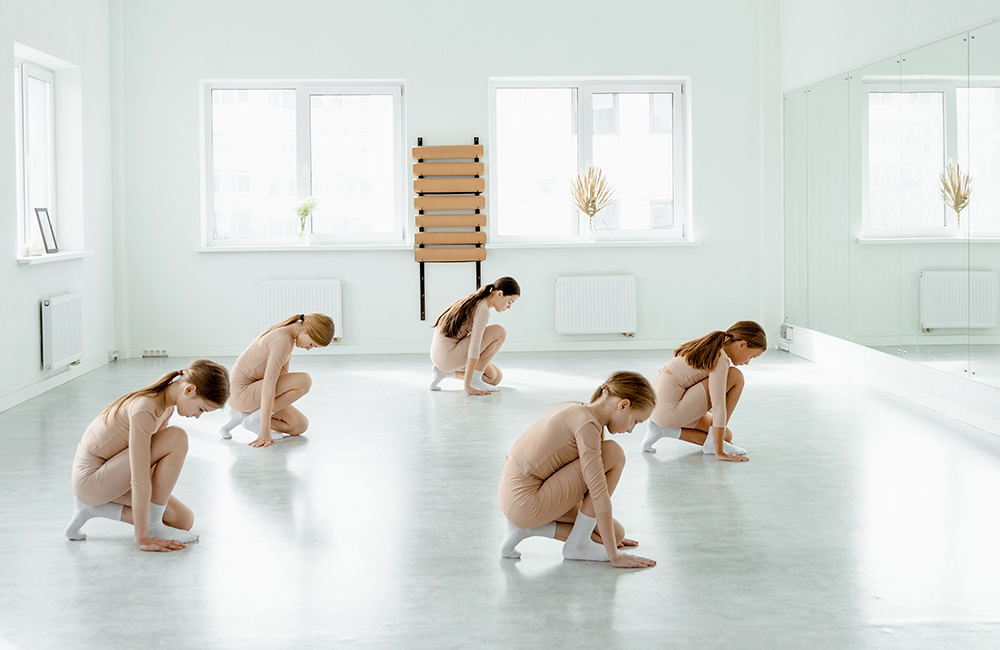
Photo: pexels.com
1. Choose Soft, Flexible Fabrics
Look for stretch fabric that recovers well, so garments return to shape after jumps and repeated washing. A child can bend, lift, and land without pulling at the shoulders or waist. Soft nylon blends and breathable knits also reduce scratchy sensations during long rehearsals. Parents should check care labels, because heat and rough drying can damage elastic fibers before the garment looks worn in active rotation. Following the care label helps garments last through repeated weekly training sessions.
2. Size for Growth and Movement
Choose sizing that works for children who grow between recital seasons. Sizing varies by brand, so compare the child’s measurements to each size chart, if one is available. Adjustable straps, wide size ranges, and clear measurement charts reduce guesswork when a child sits between sizes. A close fit is important, but it should still allow room to breathe and move normally. Measuring the torso, chest, and waist before ordering gives families a better starting point than age alone for each new purchase. A child should test arm and leg movement.
3. Choose Warm-Ups That Layer Easily
Warm-up layers keep dancers comfortable before and after class. Lightweight wrap sweaters, fitted pants, and soft shorts let dancers adjust coverage without restricting ankle movement. Easy layers also help children move between a cold car, a busy lobby, and a warm studio. The practical test is simple: a layer should come off quickly and stay clear of the feet during combinations throughout the school year. The right layer stays comfortable as temperatures change.
4. Compare Leotard Styles
Leotards come in many shapes and colors. Higher backs, wider straps, mesh panels, and subtle color choices give young dancers more options while preserving a clean line. Some designs also use tagless labels, where the information is printed directly on the fabric, so kids have fewer scratchy tags. Families should compare necklines, armholes, and leg openings before choosing a style for daily classes and different body shapes. A mirror check reveals rubbing before regular use.
5. Judge Durability by Cost Per Use
Choose durable dancewear that holds up to frequent use. Reinforced stitching, colorfast fabric, and elastic that recovers after stretching help garments survive weekly practice. This approach suits children who attend several classes each week and change quickly between activities. A useful purchase decision considers cost per use alongside the price on the product page, while regular washing still requires care over a longer period. Fewer replacements also mean fewer shopping trips during the season.
6. Match Coverage to Studio Rules
Coverage options can fit a wide range of bodies and preferences. Full-coverage backs, longer shorts, and multiple sleeve options give dancers more control over comfort. Neutral colors and varied silhouettes also let children choose clothing that feels appropriate to their class. Parents should ask the studio about dress rules, then choose pieces that meet them without creating distractions during demanding practice schedules. That choice keeps comfort within studio expectations.
7. Run a Safety Check Before Class
Practical safety details deserve attention in every class. Secure closures, smooth seams, and close-fitting layers reduce loose fabric during turns, jumps, and floor exercises. Shoes, hair accessories, and warm-ups also need to stay secure, especially during crowded rehearsals. A final check before class should confirm that straps lie flat, fasteners stay closed, and no drawstring or loose edge can catch during movement. This check helps maintain focus during fast combinations.
The best approach is a clear buying process. Families can measure the dancer, inspect stretch and seams, review care instructions, and confirm studio rules before purchasing. Children also deserve a voice in color, coverage, and feel, because comfort affects concentration during practice. A simple fit check after the first wash catches problems early. That routine keeps dancewear useful through busy classes and rehearsals without adding unnecessary cost or daily frustration.
Hits: 48 | Leave a comment
Tags:dancing, young dancers, dancewear, kids
About the Author

Stella Cooter
Journalist, traveller and mother, Stella writes about fashion and style, luxury and adventure.