
How to Pick Lab Grown Diamond Jewelry That Actually Looks Expensive
I spent a Saturday in a jeweler's back room once, watching a gemologist sort two piles of stones that looked identical under the case lights. One pile sparkled like it cost five figures. The other looked flat, almost gray, and the price tags matched the difference. Same carat weight. Same color grade on paper. The gap came down to how each stone was cut and where the light went when it hit the pavilion. That afternoon taught me more about buying jewelry than any showroom ever did.
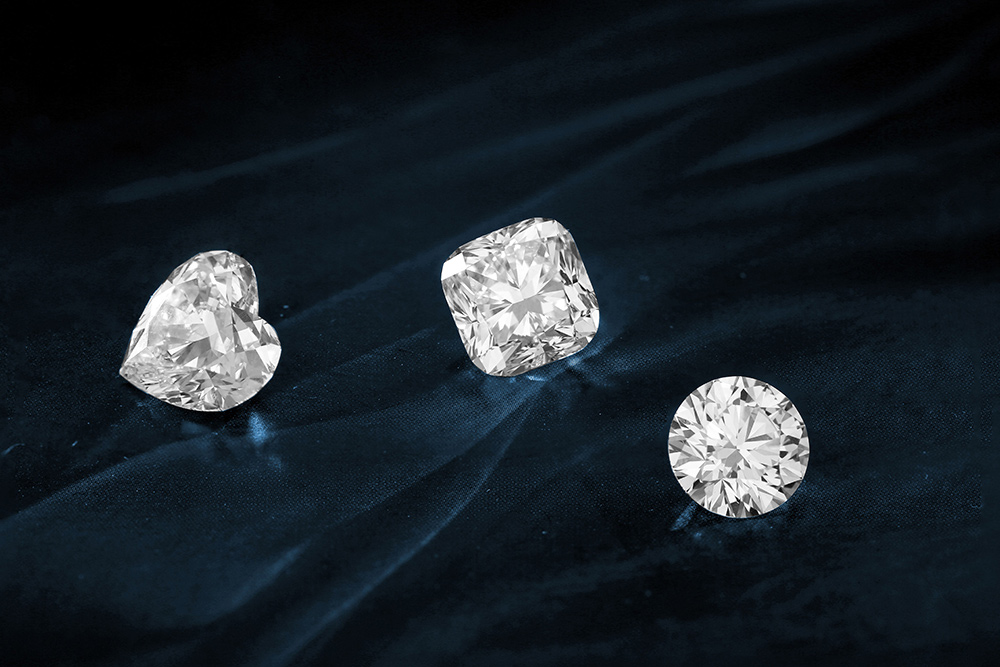
Photo: pexels.com
You can learn the same lesson without the back room. The short version: a diamond's beauty lives in its cut and its setting, not in the number on the certificate. Lab grown stones cost a fraction of mined ones, which means you can put your budget where it shows. If you're shopping lab grown diamonds for jewelry, the goal isn't to spend more. It's to spend on the parts of the stone and setting that your eye actually registers.
Below is the method I use now, whether I'm helping a friend pick an engagement ring or hunting for a pair of studs that won't look cheap in daylight. It starts with a rule I'd put on a showroom wall.
The Illusion Rule: Why Cut Beats Carat Every Time
Here's the framework I built after that afternoon, and it's the one thing I'd tattoo on a jewelry box: you buy light return, not weight. A well-cut 0.9 carat stone will outshine a poorly cut 1.5 carat stone in almost any room, and it'll cost less. The bigger, duller stone wins the certificate contest. The smaller, brighter one wins every compliment at dinner.
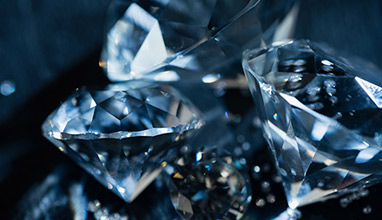
Why does cut matter so much? A diamond works like a series of tiny mirrors. When the angles are right, light bounces in through the top, hits the bottom facets, and shoots back out the crown. When they're off, light leaks out the sides and the stone goes dark in the middle. You can see this yourself with a simple test.
- Hold the loose stone or the set ring at arm's length under a normal ceiling light, not a spotlight.
- Rock it slowly side to side. A well-cut stone throws bright flashes across its whole face, edge to edge.
- Look for a dark center or a dead patch near the middle. That's light leaking, and no certificate fixes it.
- Flip it over and check the culet area. You shouldn't see a big open window through the bottom.
I'd take a slightly warmer color grade and a top-tier cut over the reverse every single time. Nobody in your life will pull out a loupe at brunch. They'll notice whether the stone looks alive.
What the Paperwork Should and Shouldn't Tell You
Grading reports confuse people because they look like report cards. Treat them as a starting filter, not a verdict. The Gemological Institute of America is the reference most jewelers use for diamond grading, and its reports are worth reading closely for cut, polish, and symmetry. But a report describes a stone in lab conditions. It doesn't tell you how that stone behaves on your hand at a restaurant.
Two practical notes. First, match the report to the stone in front of you. If the certificate says excellent cut and the stone looks sleepy, trust your eyes and walk. Second, and this matters more with lab grown stones, ask where the grading came from and whether the seller states clearly that the diamond was grown in a lab. The Federal Trade Commission has pushed the jewelry trade toward plain, accurate disclosure on this point precisely because the words on a tag shape what buyers believe they're getting. A seller who's upfront about origin and grading is a seller you can relax around.
Settings That Make a Small Stone Look Bigger
Setting choice is where budget shoppers leave the most value on the table. A great stone in a clunky setting looks like a great stone in a clunky setting. A modest stone in a smart setting looks like a family heirloom. Three moves do most of the work.
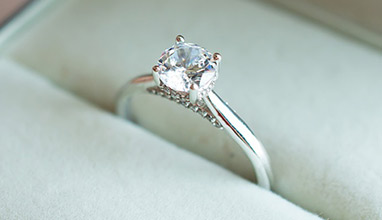
Go thin on the band. A slimmer shank makes the center stone read larger by contrast. Ten millimeters of shiny metal on either side of the diamond just adds visual weight that competes with it.
Let the stone sit up. A higher profile catches more light and creates a taller silhouette, which reads as more presence. The tradeoff is snagging on sweaters, so if you wear a lot of knits, look for a basket setting that lifts the stone without a high, exposed crown.
Use a halo, but pick the right one. A halo of small stones around the center makes a one carat look closer to one and a half. But a chunky, poorly matched halo looks like costume jewelry fast. Look for tiny stones set tightly, close in color to the center.
If you're building a stack of lab grown diamond jewelry over time, keep the metal and color consistent across pieces. A white gold band next to a yellow gold one can look intentional or accidental, depending on how you pair them. Pick a lane and stay in it for the first three pieces. After that you'll know your taste well enough to break the rule on purpose.
A Buyer's Checklist You Can Actually Use
Before you commit, run this list. It takes about ten minutes and it catches nearly every regret I've seen people bring home.
- View the stone in daylight and in indoor light, not just under the showroom's jewelry lamps.
- Confirm the grading report matches the exact stone, including carat weight to two decimals.
- Ask directly whether the diamond was grown in a lab, and get the answer in writing on the receipt.
- Check the return window in writing. A confident seller offers one.
- Ask what the lifetime warranty covers, repairs or replacement, and for how long.
- Photograph the stone on your hand in your own kitchen light before the return window closes.
That last step sounds fussy. Do it anyway. Showroom lighting is designed to flatter, and your kitchen will tell you the truth. The Gübelin Gem Lab, a Swiss institution long known for stone analysis, has spent decades studying how light and treatment affect colored and colorless stones, and the takeaway for buyers is simple: what you see under controlled conditions rarely matches what you see in real life. So check in real life.
Where the Money Should Actually Go
Here's my honest ranking if you're allocating a fixed budget. Put your money in this order: cut first, then setting quality, then color, then carat weight. Most buyers do the reverse and end up with a big stone that photographs well and disappoints in person. I've watched it happen at least a dozen times, and it's always the same letdown.
Lab grown stones change the math here in your favor. Because the stone itself costs less, you can afford the excellent cut and the well-made setting that would have been out of reach with a mined diamond of the same size. Spend the savings on cut and craftsmanship and you get a piece that looks like it cost triple. Spend it on a bigger carat weight and a flimsy setting and you get a big ring that reads cheap from across the room.
The Long Game
Buying jewelry well is a habit, not a single decision. Start with one piece where cut and setting carry the weight, wear it for a year, and notice what you reach for and what sits in the box. That tells you more about your taste than any catalog will. Then let the next piece build on it, with the same metal, the same standard of cut, and the same insistence on clear paperwork. Your collection will look collected rather than assembled, and that's the difference between jewelry that looks expensive and jewelry that actually is.
What's the one piece you've been circling for months? Go look at it again in daylight, run the checklist, and see if it still holds up. My guess is you'll know within a minute.
Hits: 25 | Leave a comment
Tags:diamonds
About the Author

Stella Cooter
Journalist, traveller and mother, Stella writes about fashion and style, luxury and adventure.
Related Articles