
Why Cologne Labels Are Getting Longer In 2026
Turn over a new bottle of aftershave this season and the ingredient list may run longer than the one on your last bottle. The scent has not necessarily changed. The rules on what the label must name have. For men who already read the fiber tag before buying a jacket, the back of the bottle is about to get more interesting.
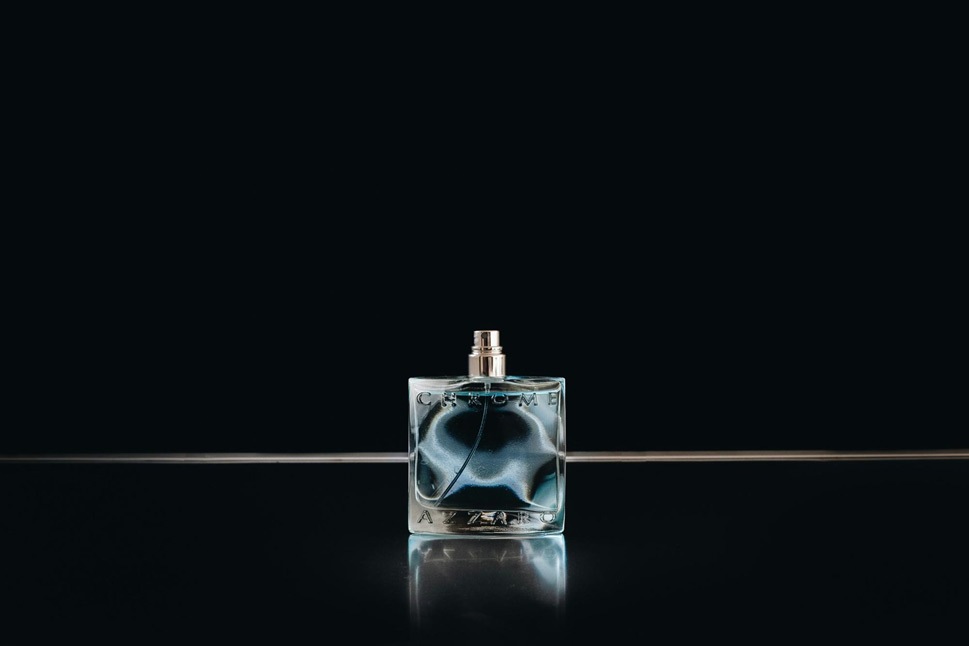
Photo by Joppe Spaa on Unsplash
Other industries strip scent out and put it back too. Cannabis is also sold online in Canada, where concentrates show the same tension. Buy My Weed, a Canadian retailer for customers 19 years or older, describes its D9 distillate as "pure, odorless, flavorless" unless terpenes are added. It ships only within Canada, so readers in Bulgaria, elsewhere in Europe or anywhere outside Canada cannot order from it.
This article is about reading labels. It is not a buying guide, and it is not medical advice.
What Is Changing On Fragrance Labels This Year?
Europe moved first. Commission Regulation (EU) 2023/1545 of 26 July 2023 changed how EU cosmetics rules treat fragrance allergens on labels. It amended the main cosmetics regulation, No 1223/2009. Canada has now lined up behind it, with new labeling requirements that began on April 12, 2026. From that date, Health Canada says 24 fragrance allergens must appear in the ingredient list above set levels. The threshold is 0.001% in leave-on products and 0.01% in rinse-off products. The list then grows. It expands to 81 fragrance allergens for new cosmetics from August 1, 2026. Existing products must disclose the expanded list by August 1, 2028. Health Canada adds that its rules will stay consistent with future changes to the EU list.
Why Does "Parfum" Hide So Much?
One word still covers most of the scent. Health Canada explains that "parfum" at the end of an ingredient list signals a fragrance ingredient or mixture. Naming every component could make a label hundreds of ingredients long. Fragrance formulas are also treated as proprietary worldwide, and no jurisdiction requires the full composition on a label. That secrecy is part of the appeal of niche perfumes, where a rare composition is the selling point. The new rules do not break that open. They only pull named allergens out from behind the curtain once they pass the threshold. The rest of the formula can stay private, which keeps a perfumer's signature intact while giving sensitive skin a fair warning. Health Canada's consumer guidance also decodes the marketing terms printed beside the list:
- "Parfum" or "fragrance". The product contains a fragrance or a masking agent.
- "Fragrance-free" or "unscented". Scents may have been covered by a masking agent rather than left out.
- "Hypoallergenic". Health Canada says this is not a legal or a scientific term.
- "Natural". Natural ingredients are often no different in chemical composition from synthetic ones.
What Does a Distillate Label Claim by Comparison?
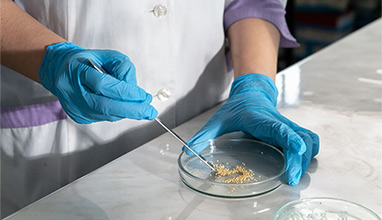
Cannabis distillate runs the idea in reverse. Perfumery builds a scent and keeps its recipe private. Distillate, as Buy My Weed describes it, strips the plant down to one compound and may then add aroma back. The retailer says D9 distillate is made by short-path distillation, removing everything except Delta-9 THC. It describes the result as a "thick, golden, translucent oil", often with 90 to 95% THC. Some versions are infused with "natural cannabis terpenes" for flavor. The page frames the choice as a "flavorless base or a strain-specific experience". On disclosure, the retailer's own claim is about potency. It says it labels every batch with tested potency. Those are the seller's statements, not independent findings, and this article does not test them.
How Do the Two Labels Compare?
Set side by side, the two products answer different questions:
| Label question | Cologne or aftershave |
D9 distillate, as the retailer describes it |
Starting point |
A built scent, grouped under "parfum" |
A plant extract stripped to one compound |
What gets added |
Fragrance ingredients and mixtures |
Optional cannabis terpenes for flavor |
What must be named |
Listed allergens above 0.001% (leave-on) or 0.01% (rinse-off) |
Tested potency, according to the retailer |
Headline number |
None required |
Often 90 to 95% THC |
Who can buy |
Sold widely in shops |
Ships only within Canada, customers 19 or older |
The contrast is useful for any shopper. One label hides a recipe and names its allergens. The other names a single compound and a percentage. Neither tells the whole story on its own, which is why the words around the numbers matter as much as the numbers themselves.
What Should a Careful Label Reader Take From This?
- A longer ingredient list on cologne may reflect the 2026 allergen rules, not a new formula.
- Check whether a product is leave-on or rinse-off, because the threshold differs by a factor of 10.
- Treat "hypoallergenic" and "natural" as marketing words, not guarantees.
- A percentage on a cannabis concentrate is a potency figure, not a quality score.
- Seller claims stay seller claims until someone independent checks them.
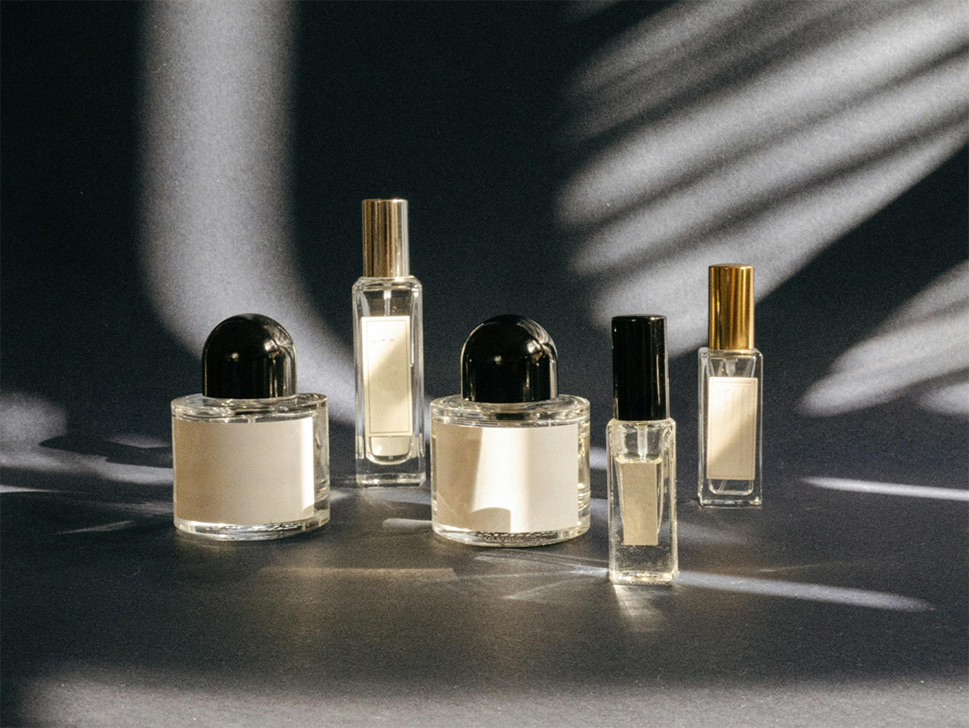
Photo by Lera Ginzburg on Unsplash
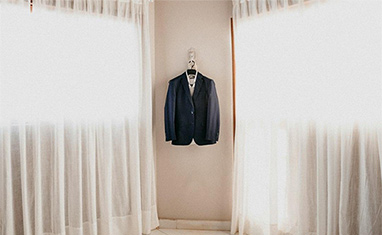
The same habit carries over to clothing. The guide to fresher spring colognes treats scent as part of the outfit. Reading the bottle as closely as a care label is the natural next step. It takes a few seconds in the shop and saves a return later.
Where Can Readers Get Confidential Advice?
Cannabis laws differ across Europe, so check the rules where you live before assuming anything. Nothing here suggests buying. If cannabis or other drugs are causing problems for you or someone close to you, help is available:
- UK: FRANK offers confidential advice on 0300 123 6600, 24 hours a day, 7 days a week.
- Elsewhere in Europe: there is no single Europe-wide helpline, so contact your national health service.
- Canada: Health Canada's page on getting help with problematic substance use lists national and provincial services.
The Back of the Bottle Is the New Care Label
Menswear readers already check fiber content, origin and finishing before they buy. Fragrance labels are catching up, slowly and by regulation. Knowing what "parfum" covers, and what a bold percentage leaves out, makes every label easier to read.
Frequently Asked Questions
Why Is My Cologne's Ingredient List Longer Than Before?
Canada began requiring 24 fragrance allergens to be listed from April 12, 2026, in line with EU rules. Products must name them when they pass 0.001% in leave-on items or 0.01% in rinse-off items.
What Does "Parfum" Mean On a Label?
It signals that a fragrance ingredient or mixture is present. Health Canada notes that no jurisdiction requires the full fragrance composition on a label.
Is "Hypoallergenic" a Guarantee?
No. Health Canada says it is not a legal or scientific term. Some people can still react to a product sold as hypoallergenic.
Can Readers In Europe Order D9 Distillate From Buy My Weed?
No. Buy My Weed ships only within Canada and requires customers to be 19 years or older. Readers in Bulgaria, the rest of Europe and other countries outside Canada cannot order.
Hits: 31 | Leave a comment
Tags:perfumes, cologne labels, EU rules
About the Author

Stella Cooter
Journalist, traveller and mother, Stella writes about fashion and style, luxury and adventure.
Related Articles