
Why Formal Dress Codes Only Specify Half the Room
An invitation usually gives one line about clothing. For the men reading it, "black tie" is a specification with named parts. For the women reading it, the same two words work more like a hint. Tailors, buyers and boutique owners all trade across that gap.
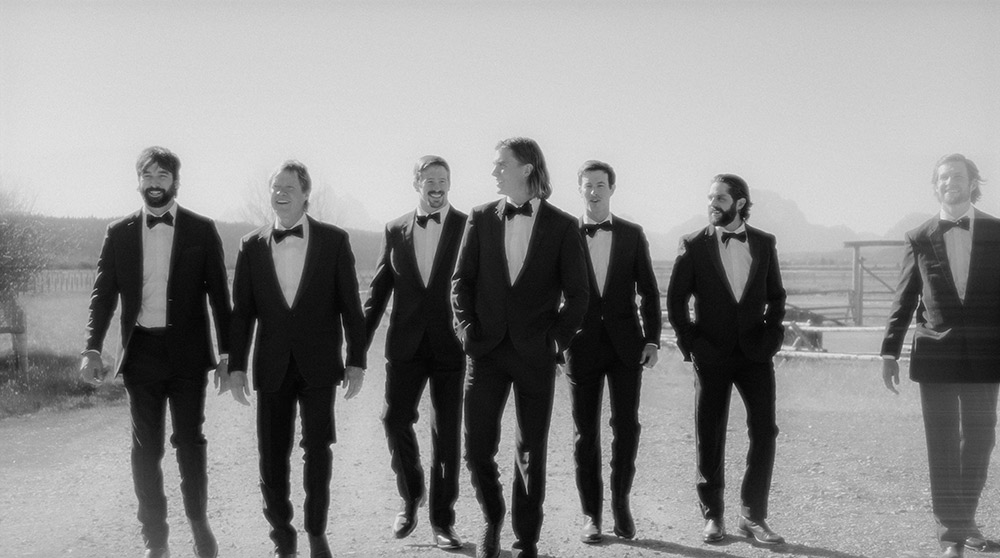
Photo by 550Park Luxury Wedding Films on Unsplash
The trade has built a quiet workaround for it. Rather than selling to the code, retailers sell to the occasion and group stock by event rather than by rule. Zaliya Boutique in Australia sorts dresses, knitwear and accessories into curated edits for formal events and weddings. That is a merchandising answer to a problem the invitation created.
Where Did the Menswear Rules Get Written Down?
Menswear codes are exact because they were settled early and then barely moved. The dinner jacket appeared in the 1880s as a softer alternative to the tailcoat. Britain kept the name dinner jacket, while America borrowed tuxedo from the New York village where the style took hold. The 1880s menswear record at the Fashion Institute of Technology tracks that split as it happened.
Institutions did the codifying. A court, a regiment or a club has a fixed membership, so it can publish a rule and enforce it at the door. The Royal Ceremonial Dress Collection held by Historic Royal Palaces runs to about 90% menswear, which is a fair measure of whose clothing got documented.
Women's formal dress was governed just as tightly, but by time of day and by season rather than by a named code. Those conventions traveled through etiquette manuals and mothers, not through regulations. When the social enforcement faded, nothing took its place on paper.
What Does Each Code Actually Oblige?
Line the main codes up and the imbalance is easy to read.
- White tie. Tailcoat, white waistcoat, white bow tie, no substitutions permitted. The other half of the card says "full-length gown".
- Black tie. Dinner jacket, braided trouser, black bow tie, worn after 6 p.m. The other half says "long or short".
- Morning dress. Morning coat, waistcoat, striped trouser, daytime only. The other half says "day dress, hat optional".
- Lounge suit. Matching jacket and trouser, with a tie usually expected. The other half says "smart".
- Cocktail. A lounge suit, generally darker than the office version. The other half says "cocktail dress", which defines itself.
The men's column names garments. The women's column names a length, a mood, or nothing at all. A working guide to morning dress can itemize the coat, the waistcoat and the trouser cloth without ambiguity. That precision has a production consequence. A tailor quoting for white tie knows the component list before the client sits down. A dressmaker quoting against the same invitation has to ask 5 or 6 questions first.
Who Actually Decodes the Invitation Today?
The decoding has moved to search results and shop floors. Hosts rarely explain the code, and few guests own a reference book, so the question lands on whoever is selling the garment.
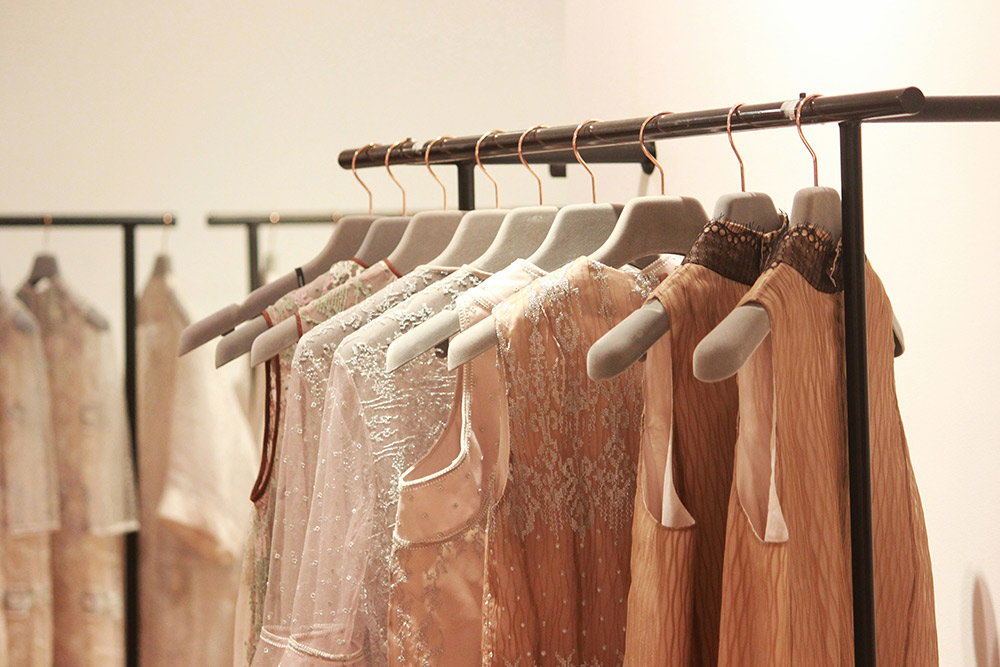
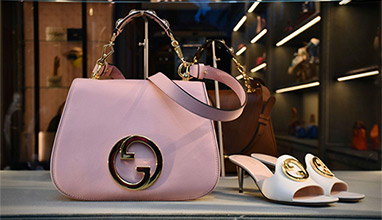
Photo by Highlight ID on Unsplash
Sales staff now do work that used to belong to etiquette. They read the invitation aloud, ask about the venue and the hour, and translate the result into a rail of options. In menswear the same conversation takes half the time, because the answer is already written on the card. One customer arrives with a checklist and one arrives with a question.
Why Does the Vague Half Cost Money?
Ambiguity does not disappear. It moves down the chain until a retailer absorbs it. A guest who cannot read the code asks the host, polls other guests, or buys two garments and returns one. The last option is the expensive one.
- Returns. Uncertain buyers order duplicates deliberately, then send one back.
- Late orders. The code gets decoded inside the final 10 days, which rules out alterations.
- Single wears. A garment bought in doubt rarely earns a second outing.
- Service load. Staff answer questions the invitation should have answered.
There is a durability point buried in that last item. A garment specified correctly for its occasion tends to get worn again. One bought in a panic often does not.
How Do Retailers Merchandise Around the Occasion?
Since the code cannot be relied on, the trade sells the event instead. An edit is a small curated group of pieces built around one type of occasion rather than one season. Zaliya Boutique runs formal and wedding edits on that basis, with worldwide shipping and fast dispatch behind them. The method mirrors what happens at a fitting. Ask what the event is, then work backwards to the cloth.
- Name the occasion in the group title, not the code.
- Hold the group to 6 or 8 pieces so choice does not stall.
- Keep formality and color story consistent inside the group.
- Show one piece styled 2 or 3 ways across the range.
- Put the occasion in the product copy, above the fabric detail.
Editorial does the same job from the other side. A guide to formal wedding guest dresses is really a translation layer between an invitation and a rail. Menswear has had that layer for 150 years.
What Should the Trade Keep In Mind?
- Menswear codes name garments, while womenswear codes name moods.
- The asymmetry is historical, not accidental or recent.
- Vagueness reaches the retailer as returns, late orders and service time.
- Occasion-led edits are the working fix already in use.
- A host can close most of the gap with one extra clause.
Writing the Other Half of the Invitation
Hosts hold the cheapest lever here and rarely use it. One added clause naming a length and a formality for every guest would remove most of the guesswork. Stationers could offer it as a default line. Until that happens the rail has to do the explaining, and the retailers who explain best will keep the sale.
FAQ
Why Are Menswear Dress Codes Precise?
Menswear dress codes were fixed by courts, regiments and clubs, bodies that could publish a rule and enforce it. The components were written down in the 19th century and have moved very little since.
What Does Black Tie Ask of Women?
Far less than it asks of men. Most invitations offer only a length, which is why guests default to a long dress or check with the host directly.
Is Cocktail Attire More Formal Than a Lounge Suit?
For men the two are close to the same thing, usually a darker lounge suit. The real difference sits on the women's side of the invitation.
How Should a Boutique Merchandise for an Occasion?
Group a small number of pieces by event rather than by season. Name the occasion in the group title and repeat it in the product copy.
Hits: 123 | Leave a comment
Tags:menswear, dress codes, black tie
About the Author

Stella Cooter
Journalist, traveller and mother, Stella writes about fashion and style, luxury and adventure.