
Seven Types of Skin Care Creams and What Each One Does
Most people own four creams and use them wrong. I did it for years: a rich night cream on a humid July morning, a gel slapped on dry cheeks in February, an eye cream doing the job of a face cream because the jar looked nice on the shelf. Nothing in those jars was faulty. My pairings were. So before we go deep: a cream isn't one thing. It's a delivery format, and the format decides how the ingredients behave on your skin. Day cream, night cream, gel cream, barrier cream, eye cream, tinted cream, body cream. Seven formats, seven distinct jobs. Get the job right and you can stop buying on vibes. If you're shopping a botanical line, the eminence cream range groups its moisturizers by skin type and concern, which makes that matching a lot less guesswork than reading ten ingredient lists in an aisle.
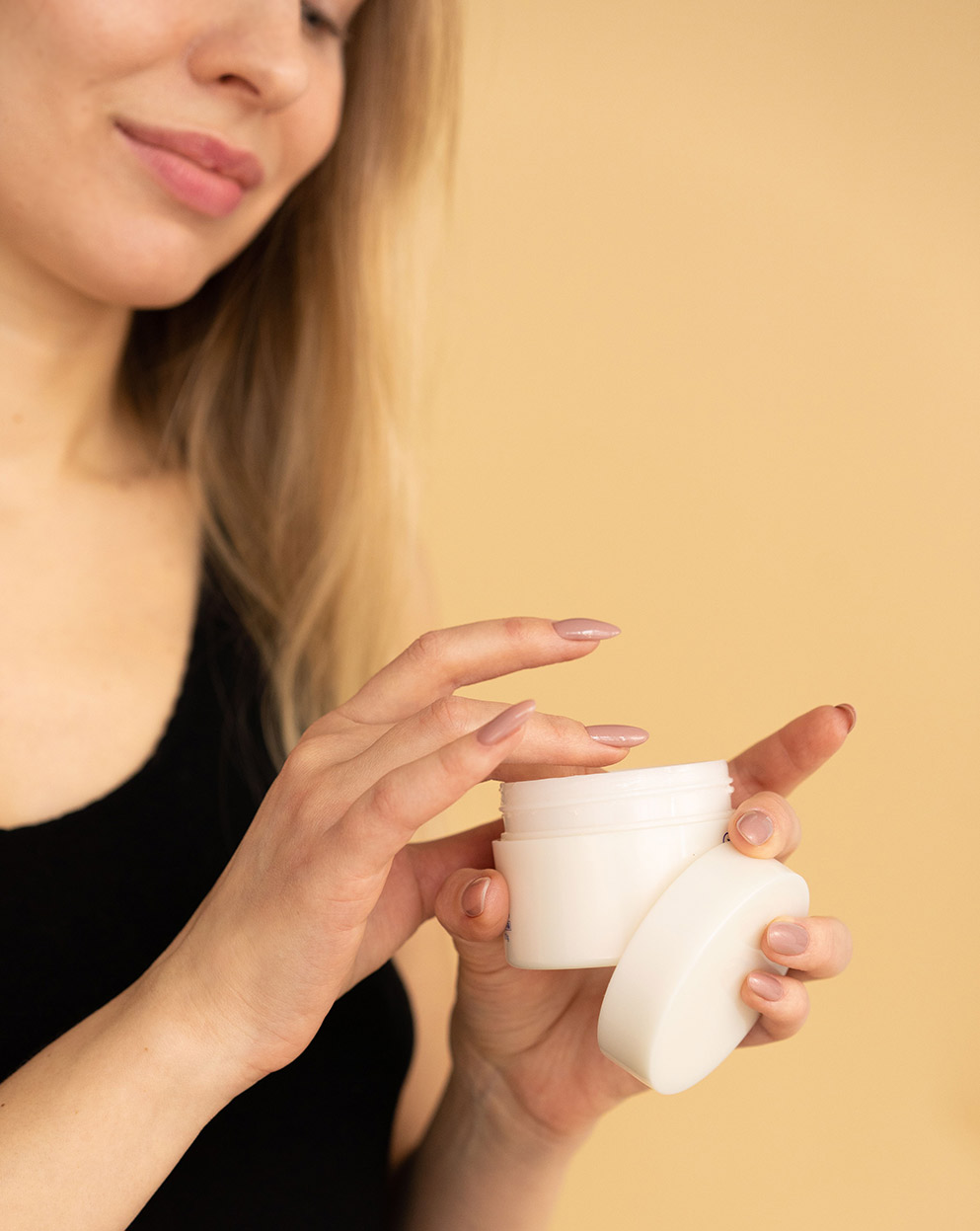
Photo: pexels.com
1. Day cream: the one that has to play nice with makeup
A day cream is built for the stretch of hours when other people can see you. That means a lighter texture, faster absorption, and ideally some antioxidant support. If your foundation pills or slides by noon, your day cream is usually the culprit. Give it five minutes before you layer anything on top. Choose a formula that sinks in and leaves no residue. If you can still feel a film ten minutes later, save that jar for the evening.
2. Night cream: heavier on purpose
Nobody's watching you sleep, so night creams go thicker. More oil, more richness, sometimes retinol or peptides. The idea is to give your skin a long stretch of uninterrupted moisture while you're not touching your face, sweating on a commute, or standing in wind. My honest take: if you only buy one cream, buy the night one and go lighter in the morning. Give it a couple of weeks and judge with your own eyes.
3. Gel cream: for the people who hate the word "cream"
Gel creams are mostly water with a little oil, and they feel cool and weightless going on. Great for oily and combination skin, and for anyone living somewhere humid. Less great if your skin is genuinely dry, because there's not enough oil in the formula to hold moisture in. Here's the trap: gel creams feel hydrating for about an hour and then vanish. If your face is tight by lunch, you picked the wrong format, not the wrong brand.
4. Barrier cream: the boring one that fixes things
Barrier creams lean on ceramides, fatty acids, and cholesterol. They don't smell like a spa and they don't promise a glow. What they do is patch the outer layer of your skin so it stops losing water. This is the cream I'd hand to anyone who has tried six products and made things worse. Sometimes the fix is fewer steps and one cream that just seals things up. The U.S. Environmental Protection Agency's Exposure Factors Handbook is a useful reminder that what sits on skin and how long it stays there both matter, which is exactly why barrier creams are formulated to stay put.
5. Eye cream: small jar, specific job
Eye cream exists because the skin around your eyes is thinner and quicker to react than the rest of your face. Formulas are gentler, fragrance is usually lower, and the texture is lighter so it doesn't migrate into your eyes and sting. Could you use your regular face cream there? Plenty of people do, and it works fine for them. But if you've ever had a rich cream puff up your eyelids by morning, you already know why the separate jar exists.
6. Tinted cream: makeup that behaves like skin care
Tinted creams sit between foundation and moisturizer. Light coverage, some SPF, a bit of hydration. They're the right call for a Tuesday when you want to look awake but not "done." Coverage is where these formulas fall short. If you're expecting to hide anything, you'll be disappointed. Tinted cream evens tone a little and that's it. Treat it as skin care with a tint, not foundation with a moisturizer inside.
7. Body cream: different skin, different rules
Your legs and arms have thicker skin and fewer oil glands than your face, which is why a face cream feels like nothing on your shins. Body creams are heavier and often cheaper per ounce. Don't raid your face jar for your elbows. You'll run out in a week and your face will be annoyed. One more thing about body formulas: they're often where brands put the richer plant butters, and a good one is worth keeping by the shower. Apply while your skin is still slightly damp and it'll spread twice as far.
A quick way to match cream to skin
Use this as a starting point, then adjust based on how your skin behaves across a full week.
Oily in the middle, dry on the cheeks
Fine with most products
If your skin feels... |
Start with |
Skip for now |
Tight and flaky by noon |
Gel cream |
|
Shiny by 10am |
Gel cream in the morning |
Rich night creams on the T-zone |
Gel cream on the T-zone, barrier cream on cheeks |
One cream for the whole face |
|
Day cream and night cream |
Anything you bought on impulse |
The cream that works for your friend in Vancouver might be a disaster for you in Calgary in January. Climate, humidity, and how much time you spend indoors all shift what your skin needs. So treat any recommendation, including mine, as a starting point rather than a rule. If you want to see how consumer product research gets documented, the University of Maryland's research repository shows how formulation claims get the same scrutiny as anything else you put on your skin.
The takeaway
Seven formats, seven jobs. Day cream for the hours you're out, night cream for the hours you're not, gel for oily and humid, barrier for reactive and cold, eye for thin skin, tinted for light coverage, body for everything below the chin. Match the format to your skin and you'll spend less and get more. Go look at the jars on your shelf right now. How many of them are built for the same purpose? That's the first thing worth fixing.
Hits: 74 | Leave a comment
Tags:skin care creams, beauty
About the Author

Stella Cooter
Journalist, traveller and mother, Stella writes about fashion and style, luxury and adventure.
Related Articles