
How Video Game Armor Is Quietly Reshaping High Fashion
Runway shows used to borrow from street culture, sports, and the film industry. Now a growing share of that inspiration comes from somewhere less expected. And that is game armor, built pixel by pixel by artists who never studied at a fashion school.
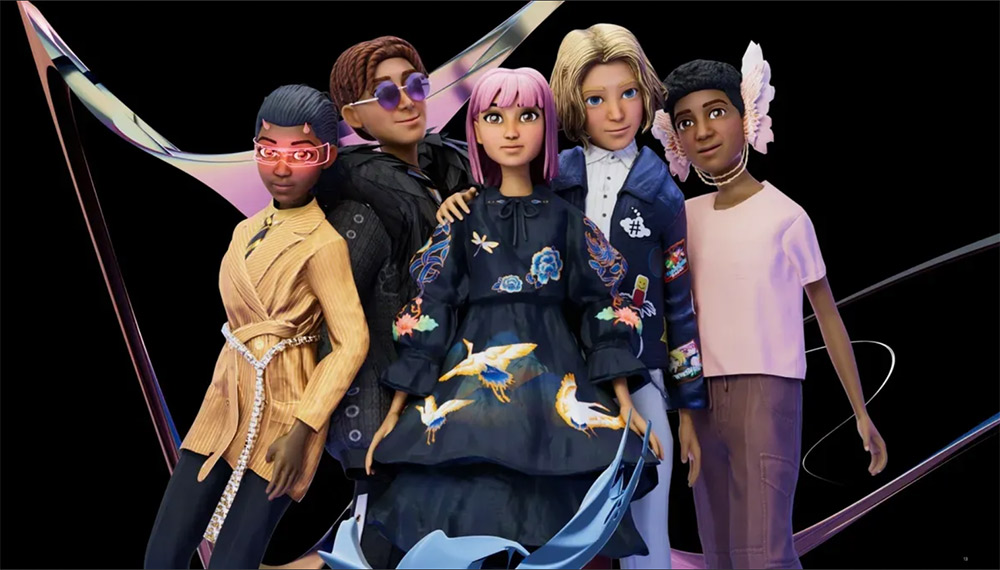
Players no longer just wear clothing printed with their favorite game logos. A whole generation treats a character's look as a genuine style reference, then carries that instinct straight into a real closet. Designers noticed the pattern years ago and started building for it directly.
The Avatar Effect Is a Measurable Trend
Fashion houses did not invent this connection between virtual armor and real clothing. Gen Z players built it first, one avatar update at a time. Roblox's own Digital Expression research backs this up with hard numbers. Some findings from surveyed Gen Z users:
- 84% say their real-world style is at least somewhat inspired by their digital avatar.
- 56% say styling their avatar matters more to them than styling themselves for the physical world.
- 70% have worn branded digital fashion inside a game.
These are not niche hobbyists. This is a generation treating in-game armor as a real style reference.
World of Warcraft's Own Take on Street Style
World of Warcraft created its own fashion culture long before designers borrowed armor silhouettes. Blizzard has an in-game event known as Trial of Style. Players create an outfit based on a theme within minutes. The winner is voted on by other players, and Blizzard refers to it as the Project Runway of the game. Another campaign, Mog Monday, features player-created appearances each week.
The existence of that culture is due to a system known as transmog. The latter allows a player to retain the statistics of a piece of gear but appear as any other armor they have. The transformation made gear more of a canvas rather than a stat sheet.
Years later, transmog is still popular enough to support its own service economy. Some of the rarest items drop with a chance below 1%. A lot of players now order a WoW boost with the express purpose of farming those items. It is not about gaining more power. It is about a unique appearance for their character.
This is the same instinct fashion houses later put on a runway. A jagged, oversized pauldron did not start as a couture idea. It began as equipment that a player had spent months farming to get due to its appearance being superior to any other in the game.
When Armor Becomes Couture
Designers took this change and began to build towards it. The Fall 2021 collection, Afterworld: The Age of Tomorrow, by Balenciaga was presented as a playable video game instead of a runway show. Demna Gvasalia, the creative director, commissioned a real blacksmith to make a pair of armored boots by hand for the line. The outcome sounds like plate shoes ripped off a fantasy game character sheet.
Rick Owens followed suit at a different angle. His Jumbo Tatlin jackets and coats have exaggerated, geometric shoulders that literally add twice the size of a wearer. Any person who has farmed a raid tier to get the shoulder piece will immediately understand the rationale. Equipment was designed to make a character appear larger and more powerful on the surface.
The production process even overlaps. Both Iris van Herpen and Balenciaga create couture designs with 3D modeling software and polymer printing, the same fundamental pipeline studios rely on to print armor for a new game update.
Fashion Houses Are Already Playing This Game
Luxury brands have gone beyond inspiration and into direct partnership agreements with gaming platforms. Some of the most obvious ones:
- Louis Vuitton x League of Legends — creative director Nicolas Ghesquiere created in-game skins for champions Qiyana and Senna, as well as a leather trophy case for the World Championship.
- Gucci × Roblox — the brand created a permanent virtual world named Gucci Town. They even sold a rare digital Dionysus bag on the platform at a higher price than the actual leather one.
- Moschino x The Sims 4 — Jeremy Scott launched a pixel-art ready-to-wear line with a corresponding set of in-game items to be used by players in their Sims.
- Burberry × Minecraft — a physical capsule collection was released alongside digital counterparts and a fully branded in-game world.
- Uniqlo × Blizzard — regular UT graphic tee collections with characters and factions of the largest franchises of Blizzard sell out in days after the release.
None of these were small marketing tests. Each brand approached a gaming community as a real fashion audience with real purchasing power.
The Line Between Game and Runway Keeps Thinning
What started as designers quietly referencing game aesthetics has turned into a two-way relationship. Game studios once borrowed from historical and fantasy costume design. Now fashion houses study game silhouettes for their next couture line. Thus, gaming platforms host brand storefronts that rival physical boutiques.
For a generation that spends hours a day customizing an avatar, the distance between virtual armor and a real wardrobe was never that large to begin with. High fashion just caught up to where its audience already was.
Hits: 4399 | Leave a comment
Tags:video games, Roblox, Gen Z
About the Author

Alex Nickson
Alex is our writer, specialised in luxury and style. He is passionate about discovering original luxury brands and emerging fashion designers.