

5 Essential Features to Look for in a Tactical Plate Carrier
Selecting a poorly engineered model can severely limit your physical range of motion, trap intense body heat, and cause debilitating muscle fatigue within hours. In the advanced tactical landscape of 2026, armor design emphasizes modular ergonomics and rapid shed capabilities over bulky, old-school nylon configurations. Understanding exactly what essential features to look for in a tactical plate carrier allows you to invest in a platform that balances maximum armor protection with high-speed athletic mobility. Review this definitive guide to master your defensive loadout.
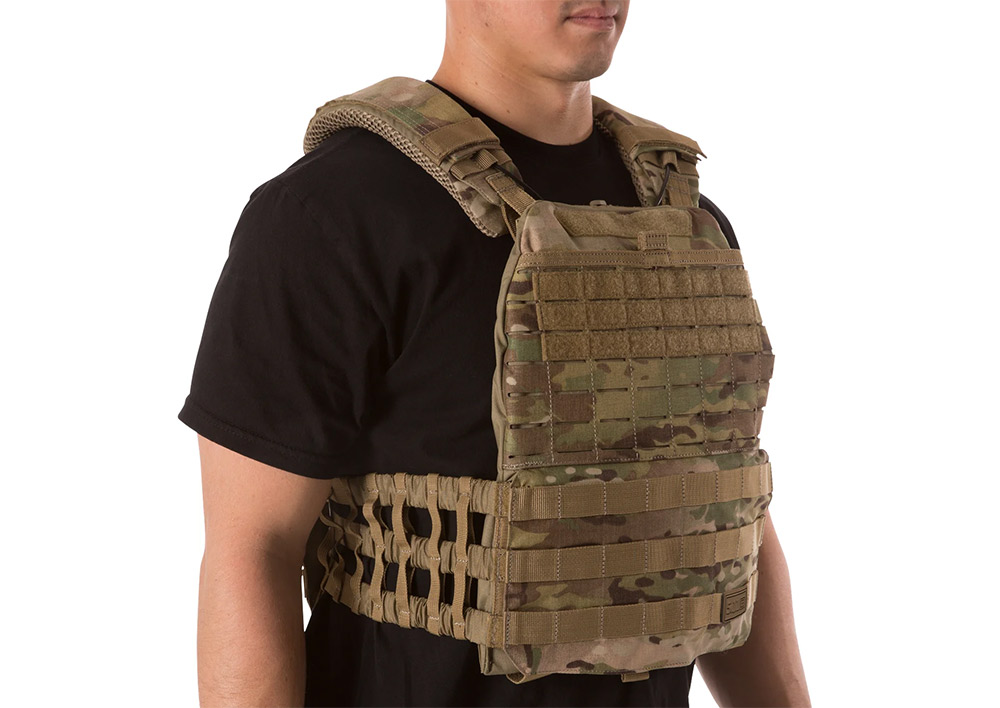
The Plate Carrier Performance Matrix (Mobility vs. Loadout)
Structural Component |
Modern Technical Feature |
Primary Operator Benefit |
Ergonomic Rating |
Shoulder Straps |
Laser-cut, high-density foam padding |
Eliminates neck chafing; balances heavy armor weight. |
Exceptional |
Cummerbund |
Rigid skeletal system with stretch panels |
Keeps side armor locked tight while allowing deep breathing. |
High |
Quick-Release |
Magnetic or mechanical slide buckles |
Allows rapid shedding during maritime or medical crises. |
Critical |
Interior Lining |
Structured 3D spacer mesh channels |
Promotes continuous airflow; reduces core sweat buildup. |
Refreshing |
1. True SAPI and Swimmer-Cut Plate Compatibility
The single most common mistake people make when purchasing an armor chassis is confusing their overall clothing shirt size with their actual ballistic plate size. Your carrier must fit your armor plates like a glove; loose plates will shift during movement, throwing off your physical balance and exposing your vital organs.
The primary framework of any high-tier system relies on its ability to accept standard Small Arms Protective Insert (SAPI) or Swimmer-cut armor geometries seamlessly. When choosing your foundational platform, prioritizing a tactical plate carrier with plates compatibility ensures that your hard ceramic, steel, or polyethylene plates lock into internal retention pockets tightly. Swimmer-cut configurations feature more aggressive upper corner cuts, granting your arms and shoulders an completely uninhibited range of motion when aiming a rifle or scaling obstacles.
2. Advanced Quick-Release Tubes or Buckle Systems
Historically, traditional plate carriers relied entirely on large, noisy front hook-and-loop velcro flaps to secure the vest around the waist. In a medical crisis or an emergency water immersion scenario, tearing open multiple layers of sand-clogged velcro to remove the carrier wastes precious seconds and frustrates efforts.
Modern carriers utilize tactical mechanical slide tubes or magnetic quick-release buckles integrated directly into the shoulder straps and cummerbund. These mechanisms allow the operator to shed the entire vest silently and instantly with a single, intuitive pull of a paracord loop. This feature is absolutely critical for rapid field-expedient trauma treatment or emergency ditching in maritime environments.
3. Structural, Skeletal Cummerbund Systems
The cummerbund is the fabric band that wraps around your ribcage to connect the front and rear plate bags. Cheap carriers use simple elastic straps or floppy nylon bands, which sag and bounce uncontrollably when you mount heavy radios or side-armor pockets to them.
Look for a structural, skeletal cummerbund reinforced with a rigid internal composite material like thermoplastic or carbon-fiber laminates. A rigid cummerbund acts like a weight-bearing duty belt for your torso, transferring the weight of your side loadout off your shoulders and distributing it evenly across your hips and core. Ensure it incorporates hidden stretch segments to let your chest expand naturally during intense cardio.
Traditional Heavy Nylon vs. Modern Laser-Cut Platforms
Performance Metric |
Old-School 1000D Cordura Vests |
Modern Laser-Cut Composite Carriers |
Dry Baseline Weight |
Heavy, thick, and highly water-absorbent |
Ultra-lightweight; hydrophobic material finishes |
Attachment Style |
Thick, sewn-on nylon MOLLE webbing layers |
Flush, laser-cut slot arrays integrated into fabric |
Profile Thickness |
Bulky; easily snags on vehicle doorways |
Low-profile; hugs the body lines cleanly |
Heat Retention |
Severe; traps sweat against the skin surface |
High; utilizes advanced 3D spacer mesh cooling pads |
4. 3D Spacer Mesh and Airflow Ventilation Channels
Wearing a heavy tactical vest causes your body core temperature to skyrocket, which can quickly lead to heat exhaustion and dehydration. If the inside of your carrier is just flat, solid nylon, your sweat has nowhere to escape.
When auditing the vital features to look for in a tactical plate carrier, closely examine the interior lining that presses against your chest and back. Premium carriers integrate raised pads crafted from thick, non-absorbent 3D spacer mesh. These pads create literal vertical and horizontal physical air channels between your shirt and the vest, allowing cool air to circulate continuously across your torso while cushioning your ribcage from the rigid armor plates.
5. Laser-Cut Laminate Construction and SwiftClip Plackard Integration
Traditional tactical vests used rows of thick, heavy nylon webbing sewn onto the exterior to mount pouches. This design adds significant dead weight to the vest before you ever pack a single round of ammunition.
Modern professional plate carriers are constructed using precision laser-cut laminate fabrics (such as proprietary composite nylons). The gear attachment slots are cut directly into the structural fabric of the vest, cutting its base weight in half while improving overall tear strength. Furthermore, look for vertical front swift-clip female buckles. This system allows you to swap out pre-configured magazine plackards instantly, changing your loadout from a rifle configuration to a low-profile setup in seconds.
The Three-Step Fit and Function Check
To ensure your chosen setup matches these essentials to look for in a tactical plate carrier perfectly, execute this physical fitment test once your armor arrives:
- Check the Top Border: Adjust the shoulder straps so that the top edge of your front ballistic plate sits exactly two fingers below the soft notch at the base of your throat (the jugular notch). This position guarantees full protection for your heart and aorta.
- Audit the Bottom Border: Sit down flat in a chair while wearing the fully loaded carrier. The bottom edge of the front plate should rest roughly one to two inches above your belly button. If the plate digs into your thighs or pushes up against your throat when you sit, the plate size is too long for your torso.
- Execute a Range-of-Motion Test: Cross your arms tightly in front of your chest and reach over your shoulders. If the sides of the plate bags pinch your armpits or severely restrict your reach, look for a more aggressive swimmer-cut silhouette.
Frequently Asked Questions
1. What is the difference between soft body armor and hard plates?
Soft body armor is constructed from flexible, woven layers of high-performance fibers (like Kevlar) designed to catch and deform spinning handgun rounds. Hard plates are rigid inserts crafted from ceramic, steel, or ultra-high-molecular-weight polyethylene ($UHMWPE$) explicitly engineered to shatter or capture high-velocity rifle rounds. Plate carriers are designed to hold hard rifle plates.
2. How do I clean a tactical plate carrier safely?
Never throw a plate carrier into a washing machine or mechanical clothes dryer, and never use bleach or harsh chemical solvents. First, remove the hard ballistic plates completely. Submerge the fabric carrier in a tub of cool water mixed with a mild soap. Scrub away dirt, sweat salt, and mud using a soft nylon brush. Rinse thoroughly with clean water, and hang it to dry in a well-ventilated shade area away from direct sunlight.
3 .Can I wear a plate carrier concealed under a standard t-shirt?
Standard plate carriers designed for load-bearing utility feature thick padding and external attachment slots that will "print" noticeably through clothing. If concealment is your primary goal, look for a dedicated "slick" or low-vis minimalist carrier that uses thin elastic side bands and lacks external buckles, allowing it to sit completely flat against your undershirt.
Hits: 2227 | Leave a comment
Tags:Plate carrier
About the Author

Alex Nickson
Alex is our writer, specialised in luxury and style. He is passionate about discovering original luxury brands and emerging fashion designers.