
How Small-Batch Fashion Brands Are Bringing Craftsmanship Back To Everyday Clothing
Fashion has spent decades becoming faster, cheaper, and more standardized. While that shift has made clothing widely accessible, it has also created a market where many garments can feel interchangeable, with the same colors, silhouettes, and finishes appearing across countless stores. Small-batch fashion offers a different approach. By producing clothing in smaller quantities and paying closer attention to materials, techniques, and individual details, smaller brands are helping bring craftsmanship back into the everyday wardrobe.
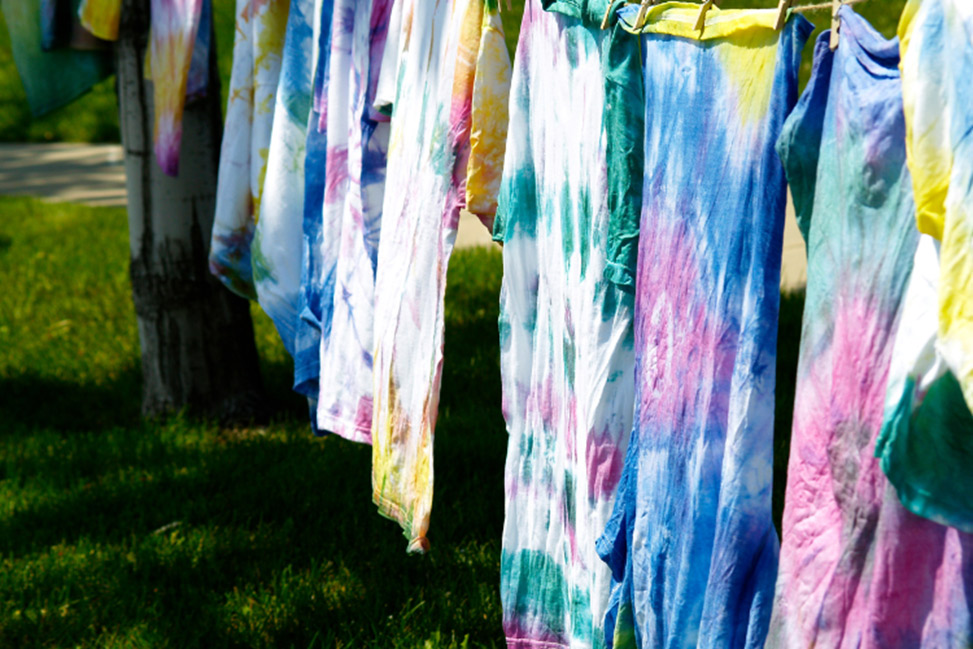
Photo: canva.com
Moving Away From The Mass-Production Mindset
Mass production is built around efficiency, consistency, and scale. Large quantities of identical garments can be manufactured quickly, allowing retailers to respond to trends and continually introduce new inventory at competitive prices. Small-batch production works differently because brands can focus on a narrower product selection at a time. Instead of making enormous quantities in anticipation of demand, businesses can produce smaller runs, learn what customers actually want, and make more considered decisions about future collections. This approach can also help reduce the risk of excess inventory. Small-batch production alone does not automatically make clothing sustainable, but producing closer to actual demand can help brands avoid some of the overproduction associated with conventional fashion models.
Putting Human Skill Back Into Clothing
One of the most noticeable differences between handcrafted and highly standardized clothing is variation. Techniques such as hand-dyeing, embroidery, screen printing, weaving, and hand-finishing introduce subtle differences that give each garment its own character. Those differences were once considered a normal part of making clothing. Industrial manufacturing has conditioned shoppers to expect almost perfect uniformity, but small brands are helping consumers see natural variations as evidence of the process rather than imperfections. For designers and makers, this creates room to experiment with color, texture, and finishing methods that may be difficult to reproduce at enormous scale. The result can be clothing that feels more connected to the people and processes behind it.
Making Everyday Basics Feel Individual
Craftsmanship does not have to be reserved for luxury dresses, tailored suits, or special-occasion clothing. Some of the most interesting small-batch brands are applying handcrafted techniques to familiar wardrobe staples such as T-shirts, tanks, sweatshirts, and casual dresses.
Tie-dye is a particularly clear example because the technique naturally produces variation. Free Spirited Clothing hand-dyes its tie-dye pieces, folding, tying, and dyeing shirts individually rather than printing a pattern onto the surface. That process means two garments based on the same design can still differ subtly. It shows how a familiar everyday item, such as a cotton T-shirt, can retain the convenience of casual clothing while also carrying visible evidence of human involvement.
Creating A Stronger Connection With What We Wear
Clothing has always communicated something about the person wearing it. Yet when wardrobes become dominated by rapidly changing trends and highly standardized products, individual expression can sometimes become harder to maintain.
Small-batch clothing gives consumers another way to approach personal style. A distinctive dye pattern, unusual finish, or handcrafted detail can make even a straightforward outfit feel more personal without requiring an entirely new wardrobe. There can also be an emotional benefit to knowing how something was created. Understanding that a garment passed through the hands of a dyer, sewer, printer, or other skilled worker can give an everyday object a story that extends beyond its appearance.
Encouraging Consumers To Think Beyond Trends
The growth of small-batch fashion also reflects a broader reconsideration of how people shop. Instead of asking only whether something fits the current trend cycle, consumers can consider whether they genuinely like a garment and expect to continue wearing it. This mindset can encourage a more intentional wardrobe. Clothing that feels distinctive, comfortable, and personally relevant may have a better chance of remaining in regular rotation rather than being forgotten once a particular aesthetic disappears from social media. Durability remains important, too. Craftsmanship adds the most value when attention to appearance is matched by appropriate materials and construction, helping clothing withstand repeated washing and everyday wear.
Giving Smaller Brands More Creative Freedom
Producing on a smaller scale can give businesses flexibility that larger operations don't always have. Designers can experiment with unusual color combinations, niche aesthetics, or specialized techniques without needing every idea to appeal to a mass audience. That creative freedom can be particularly valuable in an industry where successful trends are often copied quickly. Smaller labels can develop recognizable visual identities by focusing on techniques, details, and design choices that reflect their own perspective. Limited production can also make experimentation less risky. A brand might test a new style in a small quantity, gather feedback, and adapt future releases instead of committing immediately to thousands of units.
Helping Preserve Practical Creative Skills
Another important side of the renewed interest in craftsmanship is that skills survive when demand exists. Dyeing, sewing, patternmaking, knitting, printing, and other textile techniques require knowledge that develops through practice and experience. When businesses incorporate these processes into commercially viable clothing, craftsmanship becomes part of a working industry rather than something confined to museums, hobby spaces, or luxury ateliers. New generations of makers can then see practical opportunities to learn and develop these skills.
Technology does not have to disappear from this model. Digital tools can support design, inventory management, marketing, and sales while human skill remains central to the parts of production where creativity and judgment make a meaningful difference.
Making Sustainability More Nuanced
Small-batch production is often discussed alongside sustainable fashion, but the relationship deserves careful consideration. A small production run is not inherently responsible if the materials are poor, the garment is disposable, or the business encourages constant replacement. However, smaller runs can support a more thoughtful production model when paired with durable materials, responsible sourcing, useful designs, and realistic demand forecasting. Producing fewer pieces can reduce the likelihood of large quantities of unwanted inventory needing heavy discounts or disposal. Consumers can therefore look beyond labels such as "small batch" and examine the bigger picture. How a garment is made, what it is made from, how long it is expected to last, and whether it will realistically be worn are all important parts of assessing its value.
Craftsmanship Can Still Belong In Everyday Fashion
The return of craftsmanship does not mean abandoning modern convenience or turning every clothing purchase into a luxury investment. It simply creates more room for garments where the making process remains visible and meaningful. Small-batch brands show that craftsmanship can exist in pieces people wear to run errands, meet friends, work from home, or relax on the weekend. When thoughtful production and individual character meet ordinary clothing, even the simplest wardrobe staple can feel less disposable. As consumers become more interested in how products are made, small-batch fashion can offer more than novelty. By combining practical everyday clothing with skilled processes and distinctive details, these brands are helping reconnect fashion with the creativity and human craftsmanship that have always been at its heart.
Hits: 2843 | Leave a comment
Tags:fashion, apparel, Small-batch fashion
About the Author

Stella Cooter
Journalist, traveller and mother, Stella writes about fashion and style, luxury and adventure.