
Burlesque Fashion’s Bold Legacy: From Victorian Rebellion to Modern Glamour
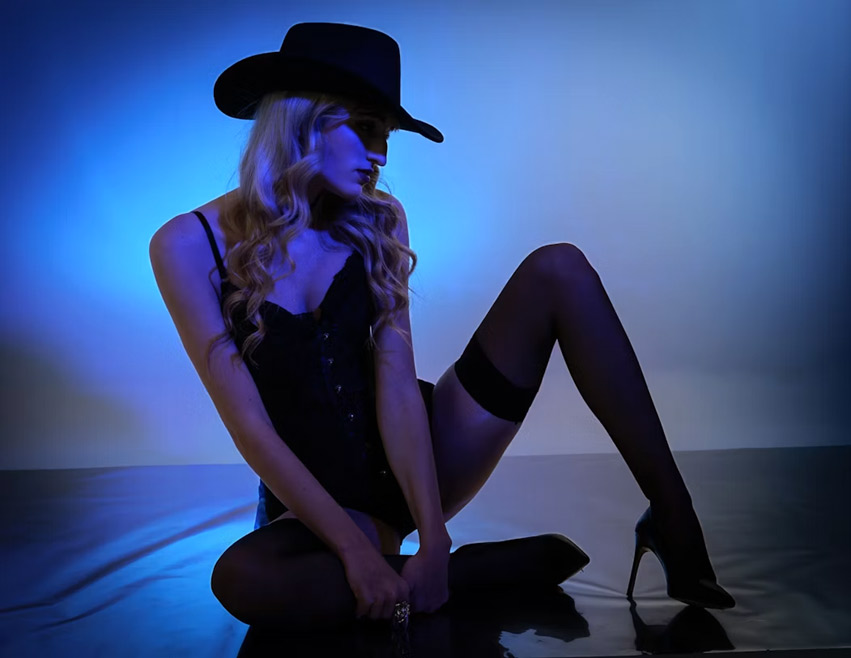
Burlesque fashion began in Victorian England, mixing comedy with popular music before making its way across the Atlantic. Once in America, it exploded into a vibrant spectacle known for its daring looks and rebellious spirit. The clothes became a badge of confidence, poking fun at old-fashioned standards and celebrating individuality.
Feathers, rhinestones, sequins—if it sparkled or swished, it had a place on stage. Performers dazzled with their showmanship and costumes, creating an experience that was as much about self-expression as entertainment. These outfits weren’t just for show; each piece told a story, blending glamour with a playful challenge to expectations. Today, burlesque has inspired costumes that capture both mystery and glamour, carrying forward the tradition of theatrical style and allure.
Burlesque’s influence extends well past its golden age. Designers like Jean-Paul Gaultier and legendary performers such as Dita Von Teese have kept its boldness front and centre, proving that this style is just as relevant today. With its mix of theatre, fashion, and attitude, burlesque reminds us that clothes can say a lot—about confidence, about freedom, and about daring to stand out, even when everyone else wants you to blend in.
Victorian Roots and Early Evolution
Burlesque first sprang up in Victorian England, where it threw together music, comedy, and dance to poke fun at stuffy social rules. Drawing inspiration from classical literature and the theatre, early burlesque was less about grandeur and more about pointing a cheeky finger at the moral codes of the time. It targeted mostly the middle classes, serving up bold jokes and energetic performances that often nudged the limits of what Victorian society considered proper—especially since the era was hardly known for letting its hair down.
Costume became a quiet act of defiance. On stage, women wore outfits that showed off their natural figures, sporting shorter skirts and corsets that definitely raised eyebrows. But it wasn’t just about getting a reaction; in some ways, these outfits let women claim a bit of freedom in a world that preferred them silent and covered up.
Everything about early burlesque fashion was a statement. Those daring costumes challenged the popular ideas about how women were supposed to behave and dress, often ridiculing the strict expectations of the day. It all helped make the stage more than just a place for laughs—it became a spot where performers could question where women stood in society, simply by what they wore.
London was quick to embrace this trend. Performers like Lydia Thompson and her British Blondes brought their boundary-pushing shows to the masses and later crossed the Atlantic, where Americans were equally curious (and a bit scandalised). Their acts played with gender roles and poked fun at traditional outfits, proving that fashion and rebellion could go hand in hand. In the end, Victorian burlesque wasn’t just about entertainment; it used costume and wit to get people thinking differently about gender, fashion, and who really set the rules.
Golden Era of Burlesque: 1920s–1930s
The 1920s were a turning point for burlesque fashion, shaking off the old and welcoming an explosion of glitz and confidence. Outfits got shorter, hemlines crept higher, and the costumes—decked out in sequins and feathers—screamed celebration from every stage. Performers embraced a bold, spirited look that mirrored a society suddenly loving its own daring side.
Josephine Baker was the superstar everyone watched. Known for her scene-stealing appearances at Paris’s Folies Bergère, Baker’s unforgettable style and boundary-pushing performances made the world sit up and take notice. With nicknames like the "Black Pearl" and "Bronze Venus," she lit up the stage with outfits as imaginative as they were revealing. Her banana skirt is still iconic, and she made history as the first African-American woman to star in a feature film, “Zouzou,” in the 1930s.
These costumes did a lot more than sparkle. By wearing clothes that challenged the old rules, performers fronted up to stuffy expectations and sent their own message about freedom and fun. Women in burlesque led the charge, showing off a new kind of confidence and giving traditional gender roles a good shake. So while sequins and feathers might get all the attention, they were also symbols of independence and the start of something much bigger for women on (and off) the stage.
Mid-Century Glamour and Decline
Burlesque in the 1950s went all out. Shows borrowed the glitz of Hollywood, and costumes sparkled like never before—sequins, feathers, dazzling accessories, you name it. Performers put on a true spectacle, each outfit dripping with style and a little bit of mischief, channelling film stars of the era. Lili St. Cyr, for example, wowed crowds with acts like “Jungle Goddess,” where the clothing was just as much a star as she was.
But as the costumes got showier, burlesque itself started losing its pull. Audiences were being tempted away by new kinds of entertainment, and burlesque’s cheeky reputation did it no favours in more conservative places. Anti-burlesque campaigns were a real headache, with many venues refused licences, which shrank the scene dramatically.
With fewer gigs and tighter rules, dressing up in top-to-toe glamour didn’t make as much sense. Costumes became less wild and more practical, shaped by dwindling budgets and a desire to avoid stirring up trouble. The dazzling heyday of burlesque fashion quietly faded, leaving behind simpler styles and some seriously nostalgic tales.
Revival and Neo-Burlesque
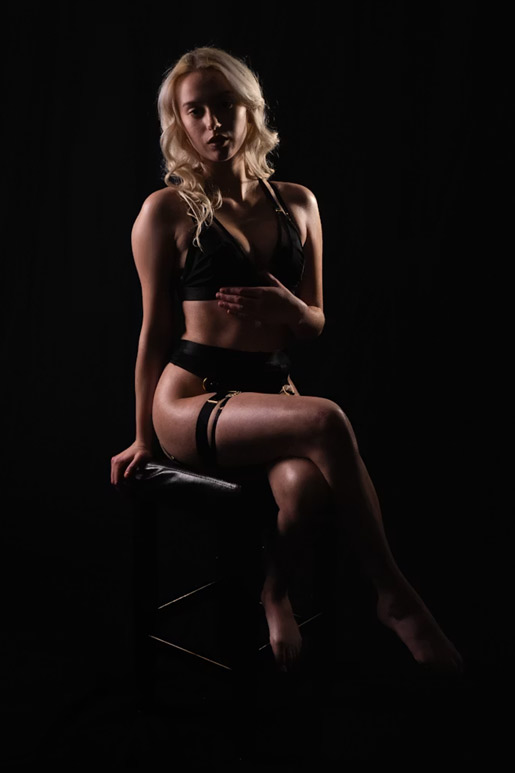
Burlesque made an energetic comeback in the late 20th century, thanks to the rise of neo-burlesque. While it paid tribute to its roots, neo-burlesque added modern flair, mixing classic acts with offbeat new ideas and influences from all sorts of places. It didn’t just tap into nostalgia—it opened the doors to a wider, more inclusive crowd. This new take was all about giving performers the freedom to tell their own stories and tackle social issues on stage, often with a wink, a nudge, and a fair bit of satire or parody (sometimes even a political message artfully tucked in).
One of the stars steering this renaissance is Dita Von Teese. Her name is almost shorthand for elegance on stage, and she’s shaken up what we imagine burlesque can be—especially in fashion. Dita regularly channels the classic beauties of burlesque but isn’t afraid to match that vintage glamour with something fresh. Collaborating with designers like Jean-Paul Gaultier, she’s taken the sparkle and spectacle up a notch; think corsets and gowns that could just as easily belong in a museum as on the runway. By doing this, Dita hasn’t just kept the art of burlesque alive; she’s reframed its style as something empowering and unapologetically individualistic, which is why she connects with so many today.
Neo-burlesque is pushing boundaries with its ongoing celebration of diversity, helped along by trailblazers like Dita Von Teese. Performers don’t simply use fashion as a splash of decoration; it’s central to how they tell their story. That’s one reason why burlesque holds its allure—it invites every generation to put their own spin on what confidence, style, and showmanship can look like.
Historical Inspiration in Modern Burlesque Costuming
Modern burlesque thrives on its love affair with historical fashion, borrowing flair from dramatic past eras to bring every performance to life.
Performers are quick to pluck inspiration from periods like the Renaissance or Baroque, letting their costumes bridge a gap between centuries. Exaggerated Victorian silhouettes and rich fabrics find their way onto the stage, while rebellious 1920s flapper fringing and bold Art Deco details add a sassy twist.
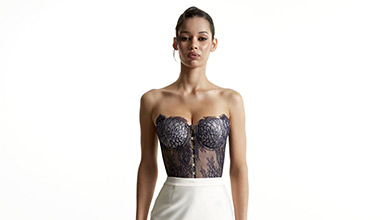
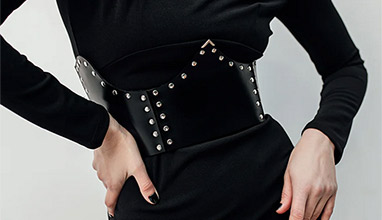
Corsets remain a go-to for structure and allure, showing that a bit of Victorian stubbornness never really goes out of style. Meanwhile, fringed dresses and shimmer from the jazz age echo across the stage, capturing all that frenetic Roaring Twenties energy every time someone does a cheeky shimmy.
Even the high-octane glamour of mid-century showgirls is having a moment again, thanks to a love for feather boas and piles of sparkling sequins. These aren’t just nods to vintage glamour; they help crank up the drama and storytelling that make burlesque what it is. Looking back isn’t about being stuck in the past—it’s a way of layering every costume with wit, personality, and a good dose of show-off confidence.
Hits: 4424 | Leave a comment
Tags:Burlesque fashion
About the Author

Alex Nickson
Alex is our writer, specialised in luxury and style. He is passionate about discovering original luxury brands and emerging fashion designers.

Related Articles