
Dark Academia Wardrobe Essentials: Building a Timeless, Literary-Inspired Closet
Step outside an Oxford library at four in the afternoon. The sky has turned the colour of wet slate, and people are hurrying home under broken umbrellas. Take a quick look around High Street shops when rain starts falling. You see cheap nylon jackets, flimsy acrylic jumpers that lose their shape instantly, and thin trousers made from synthetic yarn. High Street brands push cheap synthetics every fortnight, promising instant style. It never lasts. People who love old books, archways, and dark timber desks want something real. They want weight. They want clothes with history knitted directly into the grain.
Cold Cobblestones, Raw Fabrics, and the Palette of Old Libraries
Building a lasting wardrobe starts with colours pulled from old oak desks, ink pots, and damp earth. Bypass bleached artificial whites and eye-straining neon dyes. Anchor your rotation in espresso, slate charcoal, dark forest green, oxblood, deep navy, and rich ecru. These shades sit together easily. Grab any three garments from your rail on a dark October morning—they will harmonize naturally without a moment's hesitation.
The quality of your cloth determines whether an outfit looks like authentic tailoring or cheap theatrical dress. Synthetic materials fail quickly here. Polyester shines under streetlights in a tacky way. Acrylic traps sweat while letting cold wind straight through to your skin. Cultivating a genuine dark academia wardrobe demands heavy natural weaves with real physical heft. Seek out Scottish woollen tweed, wide-wale corduroy, dense flannel, stiff cotton poplin, and multi-ply cashmere. Heavy wool does not just block cold Scottish air; it holds structure. It shapes your frame, keeps its form through years of rain, and smells like sheep grease and cold earth rather than chemical factories.
Heavy Tailoring: The Core Pieces That Age, Not Expire
You do not need fifty items filling up your wardrobe rails. A smart collection relies on a few well-made garments that handle daily wear without losing shape:
Heavy Tweed and Corduroy Blazers: Forget thin unlined jackets. You want single-breasted coats cut from thick Scottish tweed or chunky eight-wale corduroy. Look for leather knot buttons, notch lapels, and sturdy elbow patches that actually protect against desk friction.
High-Waisted Pleated Trousers: Slim polyester chinos belong in an office cubicle, not a vintage wardrobe. Pick up double-pleated woollen trousers with a generous rise, button fly, and thick turn-ups that drop neatly over heavy shoes.
Thick Cable-Knits and Roll-Necks: A dense cream fisherman jumper provides instant thermal weight. For a sleeker silhouette, layer a thin dark woollen roll-neck underneath a structured jacket.
Traditional Tailored Waistcoats: Woollen waistcoats add immediate warmth across your chest. Wear one unbuttoned over a rumpled white cotton shirt for a relaxed study look, or button it up tight under a heavy coat when cold winds hit.
Heavy Woollen Overcoats: A double-breasted charcoal overcoat reaching past your knees remains essential for winter. Cotton trench coats with storm flaps handle wet autumn days when wool feels too heavy.
Layering for British Drizzle without Looking Bulky
Living in the UK means facing four weather changes before lunchtime. Layering is not just about aesthetics; it is a basic survival skill. Putting together a balanced dark academia outfit requires managing different fabric weights so you do not look like a stuffed mattress.
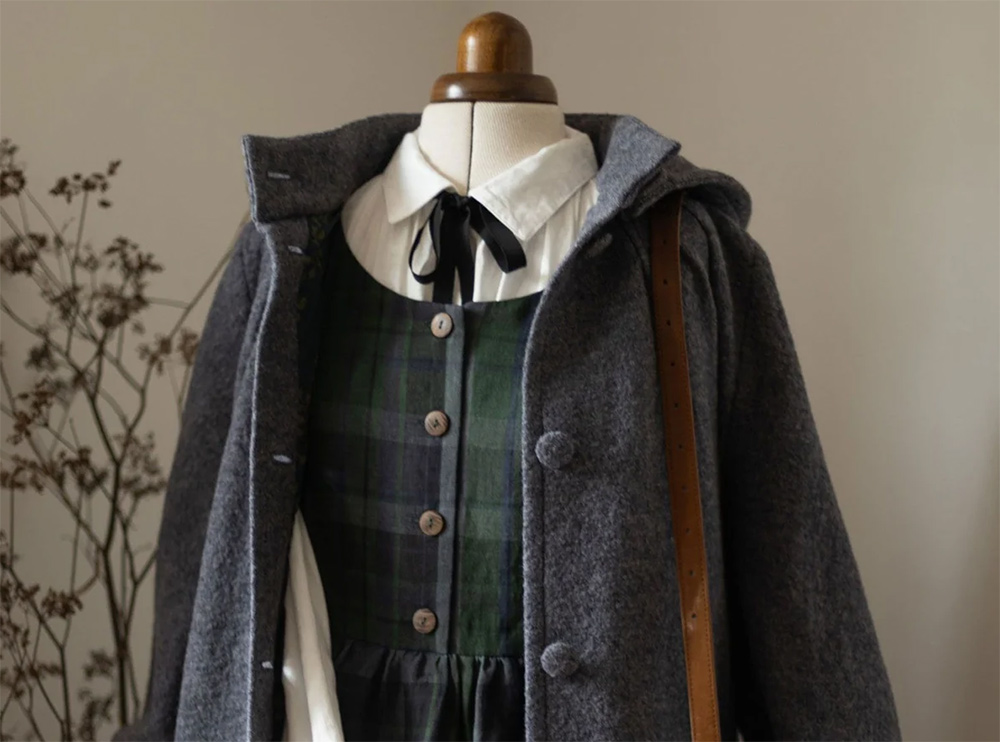
Start with a stiff white or cream cotton poplin shirt. Leave the top button open. Tuck it deep into high-waisted wool trousers, held tight with a thick brass-buckled leather belt. Put on a dark woollen waistcoat to lock in chest heat. Slip your heavy tweed jacket over the top. If rain starts falling over the quad, throw a long woollen overcoat across your shoulders. The heavy wool layers trap warm air between your skin and the damp outside, keeping you dry without needing a plastic coat.
Leather, Brogues, and Sourcing Real Vintage on the High Street
Shoes ruin an outfit faster than anything else. Thin plastic soles and fake leather look terrible under heavy woollen hems. Stick to proper Goodyear-welted shoes:
Leather Brogues and Oxfords: Classic wingtip brogues in chestnut brown or deep oxblood are non-negotiable. The punched leather patterns handle scuffs well and look better after years of polish.
Penny Loafers: Leather loafers work well on dry autumn afternoons. Pair them with thick ribbed wool socks in mustard yellow or dark green.
Structured Leather Satchels: Ditch modern nylon backpacks. A thick brown leather messenger bag carries thick books and notebooks effortlessly, developing a dark patina over time.
Winter Accessories: Finish with a long woollen scarf in dark tartan, unlined leather riding gloves, and an old manual brass watch on a leather strap.
Building a proper dark academia style does not require dropping thousands of pounds at luxury shops on Bond Street. Luxury stores sell overpriced fashion. The best pieces sit hidden in local charity shops, vintage markets, and estate clearances across regional UK towns. Look for old tailoring labels from the 1970s and 1980s. Back then, standard high street shops used thick British wools and heavy cotton linings as normal practice.
Caring for your clothes keeps them alive for decades. Do not wash woollen jackets in machines. Brush them down with a stiff pig-bristle clothes brush after wearing them to remove dust and dirt. Hang blazers on wide wooden hangers so the shoulders do not collapse. Buy real clothes built from real cloth, care for them properly, and let them age alongside you.
Hits: 40 | Leave a comment
Tags:style tips, clothes, academia
About the Author

Stella Cooter
Journalist, traveller and mother, Stella writes about fashion and style, luxury and adventure.