
How Embroidery Adds Meaning and Personality to Modern Fashion
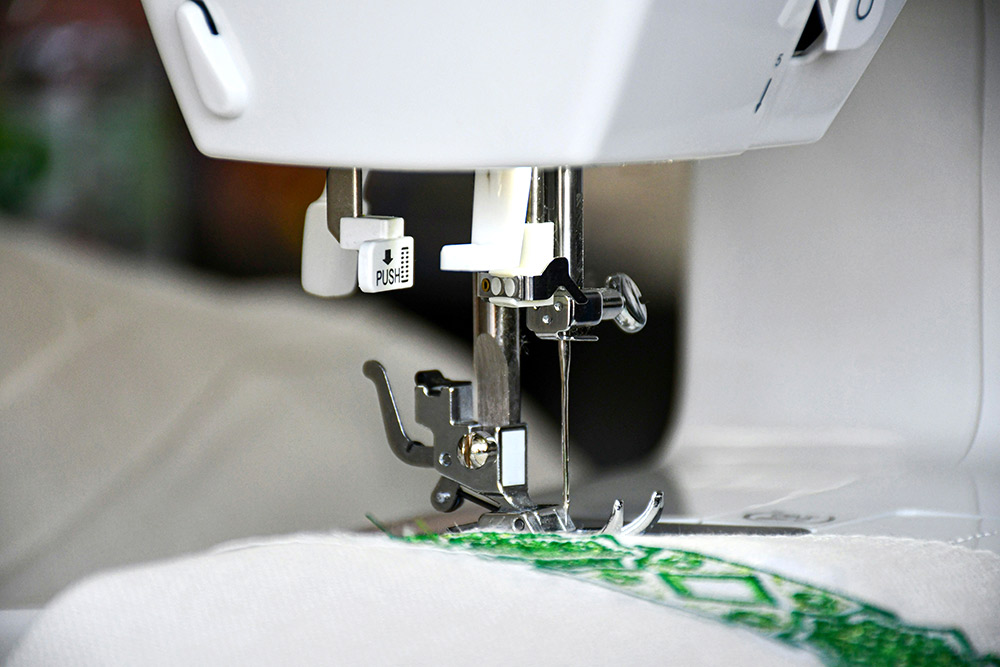
Embroidery has a fascinating history, stretching back centuries and telling its own unique story in the fabric of fashion. For generations, people across the globe have used thread and needle to create beautiful motifs on clothing and textiles, starting with ornate ceremonial pieces and growing into a familiar symbol of luxury.
You can still spot echoes of the past in those early monk robes, covered in shimmering gold or silver threads with scenes straight out of religious texts. Over the years, this craft made its way from Asia to Europe and North Africa, leaving its mark in each place it touched.
Today, embroidery isn’t just something you find in museums or grandma’s sewing kit. Designers love it for its ability to give otherwise simple garments a personal stamp, turning them into one-of-a-kind fashion statements. From the glitz of haute couture to street-ready jackets, embroidery blends old-school techniques with clever new tech, keeping its spot as a true favourite for anyone looking to turn an outfit into something special.
Historical Roots and Transformation of Embroidery
Embroidery started out as a craft for special occasions, popping up as early as the fifth century BC in ancient China and the Near East, before spreading across Europe, North Africa, and the Middle East. Back then, you’d be more likely to find needlework on wall hangings or upholstery than on clothes, and a lot of the earliest designs had deep ceremonial or religious meaning. Monks, for example, wore robes picked out with gold thread, telling stories from Christian history with every stitch.
As time moved on, embroidery took its place as a favourite detail in luxury clothing and traditional dress. In Japan, kimonos became famous for their lush floral embroideries, while French gowns set the bar for opulence with ornate needlework. Improved threads and new weaving ideas meant the patterns only became more and more intricate.
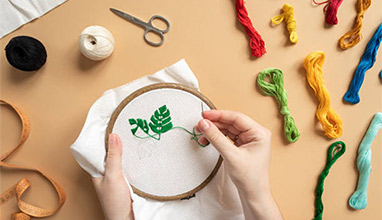
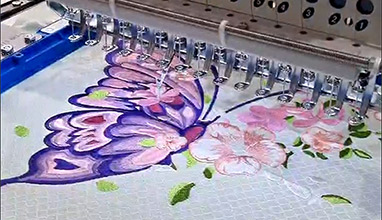
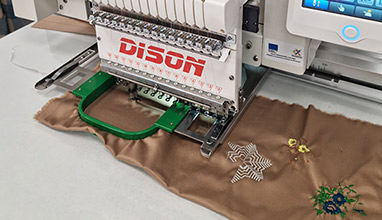
At first, every embroidered piece was stitched by hand, so adding even just a touch of detail took patience and skill. The big shift came with mechanised embroidery machines in the nineteenth century. These helped designers create bold patterns and flawless lines at a speed no one could have managed by hand alone. Today’s designers actually mix things up, combining hand-stitched details with machine work—and sometimes adding beads, sequins, or pearls for extra flair. This way, embroidery has stayed fresh and luxurious, but it’s also easier for more people to enjoy.
Embroidery Techniques and Their Application
Embroidery is all about the stitches, and every stitch brings its own personality to the fabric. The running stitch may be basic, but it’s a go-to choice for outlining shapes or adding a gentle hint of decoration - think of it as the pencil sketch before the colour goes in.
If you need an area filled with bold colour and shine, the satin stitch is your friend. It lays threads close together, making sections look smooth and glossy, which is perfect for lettering or logos that need to pop.
The chain stitch, with its distinctive looped pattern, gives outlines and borders a pretty, almost woven effect - ideal if you want something that stands out a touch more. Need a bit of texture? Enter the French knot, brilliant for creating raised dots like flower centres or tiny animal eyes, adding a whole new level of detail.
And then there’s cross-stitch. It works like a pixel grid, letting you build up images with neat, X-shaped marks - spot on if you enjoy patterns with a retro, digital vibe.
Choosing which technique to use depends a lot on your fabric. Light materials such as silk and chiffon need delicate stitching and extra support underneath, so you don’t end up with unwanted ripples. Middleweight fabrics like cotton and linen are far more forgiving but do need careful handling, especially with thread tension, so your design doesn’t pucker. Denim and canvas, on the other hand, can cope with bolder, heavier stitching, making them great for more dimensional styles. Stretchy fabrics? They can be tricky and often need their own specialist approach or even specialized embroidery machines to stop any unwanted bagging or distortion.
This is where quality equipment becomes particularly important. Suppliers such as Franklins Group provide a range of embroidery machines and sewing solutions designed to help creators achieve consistent, professional-quality results across a variety of fabrics and applications.
Personalisation Through Embroidery
Custom embroidery takes the idea of personalising clothes and makes it genuinely exciting. By weaving your preferences straight into fabric, designers can help you end up with one-of-a-kind pieces that actually show off your style. This isn’t just for fashionistas, either—anyone can build a wardrobe that feels truly their own. Every stitch can reflect a favourite memory, a family joke, or a bit of personal flair; suddenly, what you wear tells part of your story.
As demand for customised fashion continues to grow, businesses and hobbyists alike are turning to advanced embroidery technology from companies such as Franklins Group to transform creative ideas into detailed, high-quality embroidered designs.
It’s more than just pretty decoration. Something as simple as a monogram can instantly stamp your identity onto a shirt or a jacket—think subtle, but unmistakably yours. Unique designs go a step further, whether it’s a sketch you love or a motif that means the world to you. Instead of blending in, your clothes become a mini gallery of your own influences and experiences.
With this level of custom work, clothes stop being just things to wear and become genuinely meaningful. Each item is a real one-off. There’s a feeling of pride and connection when you know nobody else on earth has got the exact same thing—just you. This goes well beyond aesthetics; it’s a way to make fashion feel personal, worthwhile, and packed with stories you actually want to share.
The Role of Embroidery in Brand Identity
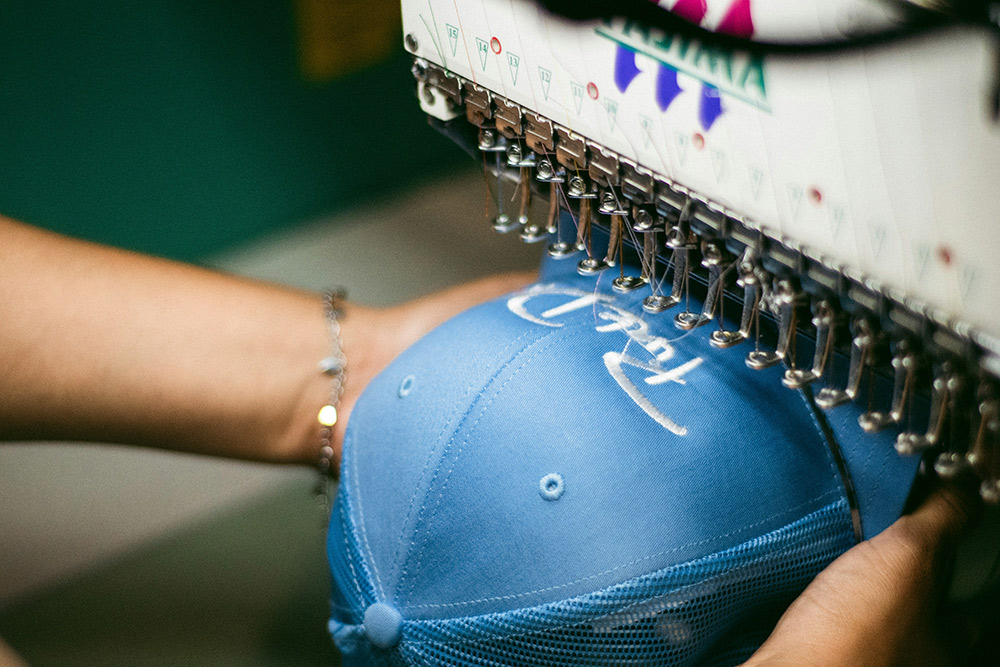
Embroidery does wonders for brand identity, especially when it comes to logos. There's something about a stitched logo that gives everything a polished, professional feel that you just don't get with most other methods. Not only does embroidery look and feel more premium, but it's reliably long-lasting—so logos can handle plenty of wear and tear, from repeated washes to daily use.
Pop an embroidered logo onto a uniform, and you’re sending out two messages at once: consistency for the brand and a real sense of unity within your team. It helps staff feel like part of something bigger—and customers tend to notice that extra level of attention, even if it's only on a subconscious level. A neatly stitched logo can also spark a conversation and ensure your brand lingers in people’s minds much longer than a standard print.
Branded items like hats, tote bags or jackets, with embroidery, double up as walking adverts. They get seen everywhere—on commutes, at events, even just out and about. And unlike standard prints, the logo doesn’t fade or crack after a couple of spins through the wash, so your brand keeps popping up, looking sharp, for a long while.
In a sea of marketing noise, a high-quality embroidered logo stands out as a badge of care and real craftsmanship, sticking in someone’s memory for all the right reasons.
Innovative Trends in Fashion Embroidery
Fashion’s drive to be greener is showing up in embroidery, too. More designers are swapping out their old threads for organic or recycled options, helping the planet and making sure their materials can be traced back to responsible sources. Some are even turning to advanced dyeing techniques that dramatically cut water usage compared to the old-school methods—because conserving water never goes out of style.
Embroidery isn’t just about the thread, either. There are new, eco-friendlier backing materials that keep everything stable without leaving a heavy mark on the environment. And with the rise of digital sampling, designers can tweak and test ideas on screen before stitching the first real sample. That means less trial-and-error waste, and more creative freedom.
Modern embroidery equipment is also helping designers embrace these innovations more efficiently. Franklins Group supports the industry with embroidery machinery that enables precise stitching, streamlined workflows, and the flexibility needed to bring contemporary fashion concepts to life.
On the style front, 3D embroidery is making waves. By building up layers, designers are turning flat fabric into something with real texture and depth—think raised designs that you’ll want to run your fingers over. Add in extras like beads and sequins and you get pieces that truly pop, both visually and to the touch. Playing with foam backings gives embroidery a fun, pillowy look as well. All these technical leaps are pushing embroidery forward, letting brands play around with bolder ideas and trends that keep clothes feeling fresh and exciting.
Crafting Unique Fashion Narratives
Embroidery lets designers create clothing that stands out for all the right reasons, with every stitch telling a story right in the fabric. This age-old practice brings more than just good looks; it offers designers a way to express themselves, weaving personal stories as well as cultural histories into what we wear.
Mixing classic methods with the latest techniques, each garment can carry its own meaning—maybe a memory, an emotion, or even a nod to a family tradition. What you end up with is far from generic. It’s wearable art, where the details have something to say.
Embracing embroidery also means appreciating how both tradition and new ideas can work together. While today’s designs often borrow from the past, they’re quick to accept new ways of working, which means anyone with an eye for fashion gets a front-row seat to creativity in action. It’s a reminder that great craftsmanship doesn’t go out of style, especially when every piece is created with care and imagination.
When you buy or wear embroidered clothing, you’re sharing in that creativity and effort. From the skill required to the patience it takes, there’s real value in every thread. Wearing embroidery isn’t just about looking stylish - it’s about carrying a story with you, one that might connect to your own heritage or simply bring a little extra meaning to your wardrobe.
Hits: 375 | Leave a comment
Tags:embroidery, luxury, personalization
About the Author

Stella Cooter
Journalist, traveller and mother, Stella writes about fashion and style, luxury and adventure.
Related Articles