
How a Blue Plaid Rug Can Add Warmth and Character to Any Room
Rooms tend to feel settled when the floor carries visual weight, gentle texture, and a pattern that connects the larger pieces. That effect shapes comfort in subtle ways. A blue plaid rug can soften sharp surfaces, steady the eye, and add depth without making a space feel crowded. Its familiar grid and cool tone create a grounded look that supports rest, conversation, and everyday ease.
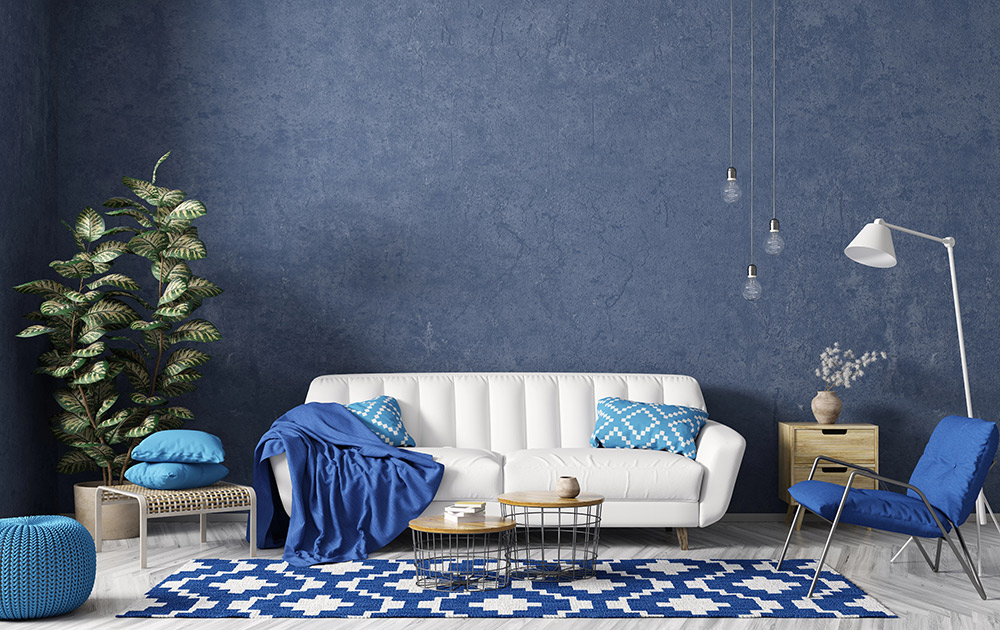
Photo: Depositphotos
Plaid Feels Familiar
Plaid often reads as comforting because the pattern feels ordered, steady, and easy to understand at a glance. In living spaces, bedrooms, or studies, a blue plaid rug can echo heritage textiles, coastal palettes, or tailored interiors without pulling focus from the room itself. That measured pattern gives furniture a visual base, which helps wood, linen, and leather appear warmer, softer, and more inviting.
Blue Brings Ease
Blue has a calming effect in many interiors because the hue tends to lower visual tension and quiet a busy room. Lighter shades feel open and airy. Darker versions bring depth and a cocooning quality. Plaid prevents the color from looking flat because the intersecting lines create movement. That balance works well in rooms used for reading, sleeping, or quiet conversation.
Warmth Starts Underfoot
Texture changes the perception of a room, even before anyone notices the pattern. Wool gives a rug softness underfoot and a fuller surface appearance. It also holds color with depth, which helps the plaid look woven rather than printed. In family areas, that tactile layer can ease the hardness of stone, tile, or polished boards. The result feels settled, comfortable, and ready for regular use.
It Frames Furniture
Furniture needs a clear visual boundary, or a room can feel scattered and unresolved. Plaid performs that task with more personality than a flat, solid surface. The intersecting lines create a quiet framework beneath seating, beds, or tables. Because of the balanced geometry, it suits both rounded silhouettes and straighter profiles. That flexibility helps a layout feel considered without seeming stiff or overly styled.
It Softens Neutral Rooms
Neutral color schemes often rely on cream, beige, gray, or white as a base. Those shades stay versatile, though they can read cool in certain light. A blue plaid rug introduces contrast while keeping the palette controlled. Since blue behaves as nearly neutral in many settings, cohesion remains intact. At the same time, the pattern adds enough energy to keep the floor from fading into the background.
A Strong Match for Wood
Blue and wood usually sit well together because the cool hue sharpens the warmth found in oak, walnut, or pine. Plaid strengthens that relationship through repeated lines that feel crafted and familiar. In older homes, the pairing can support original trim or floors. In newer settings, it lends a sense of age and substance that smooth finishes sometimes lack.
Useful With Pattern
Pattern mixing often worries homeowners, yet plaid is usually easier to place than expected. Its structure is predictable, which helps it sit beside florals, stripes, or small-scale prints. Scale matters here. If the rug carries a medium-sized check, nearby textiles should stay finer and quieter. That approach keeps visual interest alive while lowering the risk of clutter in compact rooms.
It Works Across Seasons
Some floor coverings feel tied to one season, which limits how often they look right. Blue plaid tends to stay adaptable. During warm months, it can feel crisp beside white walls and woven accents. In colder periods, it reads as cozy with heavier throws and deeper woods. That flexibility gives one piece lasting value for households that prefer fewer decorative changes.
Size Shapes the Effect
Scale influences whether a rug supports the room or interrupts it. A large piece can unify a seating area and create a calmer overall impression. Runners bring character to halls or kitchens without taking over. Smaller formats can soften a bedside spot or reading corner. Ideal proportion matters because the pattern should guide the space, rather than compete with the furnishings.
Craft Adds Character
Construction affects whether a rug feels flat or full of presence. Hand-knotted wool often shows slight shifts in tone and texture, which give plaid greater depth. Those small variations are beneficial because they keep the grid from appearing rigid. Rooms usually benefit from that human quality. It suggests age, care, and material honesty, even when the surrounding pieces are newer.
A blue plaid rug does more than fill open floor space. It can steady a layout, warm hard finishes, soften neutral palettes, and add texture that people notice with each step. Because it pairs calm color with a familiar pattern, it suits many decorating styles without looking forced. That quiet balance gives a room personality, comfort, and a stronger sense of permanence.
Hits: 739 | Leave a comment
Tags:home, design, furniture, interior design
About the Author

Stella Cooter
Journalist, traveller and mother, Stella writes about fashion and style, luxury and adventure.
Related Articles