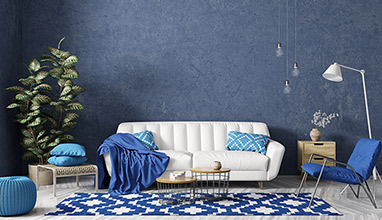

The Psychology of Color and Texture in Modern Wallpaper Design

The Psychology of Color and Texture: How Wallpaper Transforms the Emotional Architecture of a Space
Color is not decoration. Texture is not surface. Both are emotional instruments.
In residential interiors, wallpaper does far more than cover a wall. It shapes perception, alters spatial rhythm, softens or sharpens light, and influences how we feel inside a room. When color psychology and surface texture work together, walls stop being background elements — they become part of the emotional architecture of the home.
Color as a Psychological Framework
Every color carries psychological weight.
-
Deep blues calm the nervous system and promote focus.
-
Warm neutrals create grounding and stability.
-
Muted greens connect interiors to nature and reduce visual fatigue.
-
Dark, saturated tones introduce intimacy and enclosure.
However, color perception is not isolated. It is influenced by texture, reflectivity, and lighting conditions.
A matte charcoal wall feels different from a lacquered charcoal wall. The color may be the same, but the emotional response changes dramatically because light behaves differently on each surface.
Texture: The Hidden Layer of Design Psychology
Texture affects perception before we consciously notice it.
Smooth, high-gloss finishes reflect light and create sharp visual boundaries. They often feel modern, precise, and bold.
Soft, fibrous, or woven textures diffuse light. They create depth and warmth. Natural wallcoverings, linen textures, and embossed surfaces add complexity without overwhelming the eye.
In homes with strong daylight — particularly in Colorado, where light is bright and directional — texture becomes even more important. Side lighting can enhance texture beautifully, but it can also exaggerate seams or surface inconsistencies if preparation and installation are not handled carefully.
Texture is not just aesthetic. It is structural psychology.
When Designer Wallpaper Meets Real Walls
Branded wallpaper collections today are engineered with extraordinary detail — layered inks, textile backings, dimensional embossing, reflective coatings. These design choices are intentional and powerful.
But they require alignment between:
-
design intent
-
wall preparation
-
lighting conditions
-
installation precision
Without that alignment, even a thoughtfully selected color can underperform.
In my experience, successful projects depend on consultation before installation begins. Selecting wallpaper based solely on a sample book rarely accounts for how that color and texture will behave across an entire wall in natural light.
For homeowners seeking professional wallpaper installation in Colorado, this step is often what protects both the design vision and the investment.
Light, Depth, and Emotional Scale
Wallpaper can visually expand or compress a room.
Vertical textures elongate.
Horizontal patterns widen.
Matte finishes soften boundaries.
Reflective finishes amplify architectural contrast.
In open-plan homes, textured wallpaper can anchor a space without requiring heavy color contrast. In smaller rooms, subtle tonal variation adds dimension without reducing light.
When designers and installers collaborate early, wallpaper becomes an extension of architectural thinking rather than a decorative afterthought.
The Role of Technical Precision
Psychology and aesthetics mean little if the technical foundation is weak.
Walls that are not properly prepared can distort how texture reads under light. Minor surface variations may become visible once wallpaper is installed — particularly with dark colors or reflective finishes.
Correct preparation does not simply prevent problems. It enhances how color and texture perform. Even mid-range wallpaper can appear refined and architectural when applied to a properly prepared surface.
I collaborate with Enjoy The Wall on projects where wallpaper is approached as part of a comprehensive design system. Our focus is ensuring that material selection, preparation standards, and installation technique support the original concept — not compromise it.
Walls as Emotional Infrastructure
The most successful interiors feel effortless. But that effortlessness is constructed.
Color influences mood.
Texture influences perception.
Light reveals everything.
When wallpaper is chosen and installed with psychological and technical awareness, the result is more than visual impact. It becomes spatial coherence — an environment that feels intentional, calm, and complete.
Hits: 13130 | Leave a comment
About the Author

Kris A.
Kris A. is a design consultant specializing in wall finishes and material behavior, working with residential and architectural projects across the Denver metro area.
Related Articles