
Genderless Fashion in 2026: From Edgy to Industry Standard
For a long time, the phrase "genderless fashion" arrived with a pair of scare quotes attached. It belonged to a subset of designers comfortable being filed under "challenging," and to a particular type of trade-press article that treated unisex collections as a curiosity rather than a category. That framing has not survived the past few years. In 2026, genderless fashion is no longer a provocation. It is closer to a default.
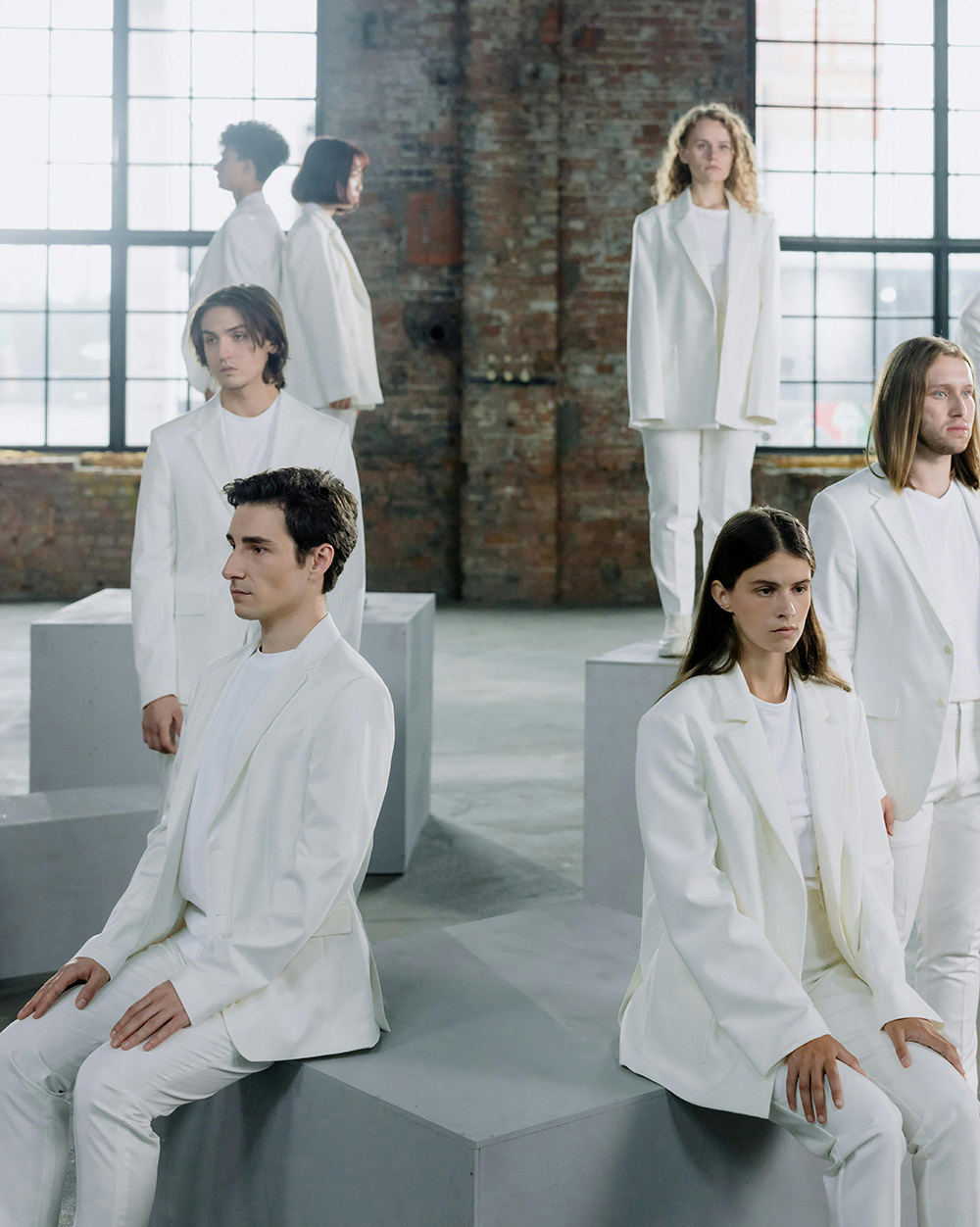
Photo: pexels.com
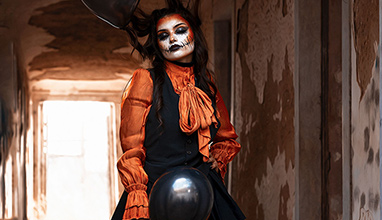
The Spring/Summer 2026 runways made the new mood unmistakable. It was a season defined by creative-director debuts at almost every major house: Louise Trotter at Bottega Veneta, Jonathan Anderson at Dior, Matthieu Blazy at Chanel, Pierpaolo Piccioli at Balenciaga, Dario Vitale at Versace, Jack McCollough and Lazaro Hernandez at Loewe. The fashion press described it as one of the biggest fashion months in years, a wave of change ushering in what felt, audibly, like a new chapter. Almost every debut leaned, in some measure, on a softer relationship to gender. Off-kilter silhouettes. Inverted tailoring. Femininity reimagined as something less fixed, less inherited, less prescribed.
The dissolving categories
The boundaries between traditionally gendered product categories are also dissolving in interesting ways. Stella McCartney and Tom Ford both folded lingerie-inspired pieces into their Spring/Summer 2026 ready-to-wear, treating slip skirts and lace camisoles as sportswear rather than seduction. Acne Studios continued its long flirtation with the same idea. Once the line between intimate and outerwear stops holding, the line between feminine and everyone tends to follow shortly afterwards. The less visible end of this shift has been quietly cumulative. A decade of independent brands has done much of the heavy lifting, proving that genderless ranges can hold their own commercially, and younger consumers, particularly Gen Z, have stopped reading gender labels as instructions.
The rise of the specialist
The other quiet shift of the past five years has been the maturation of the direct-to-consumer specialist. The interesting innovation in intimate apparel and adjacent categories has not, by and large, come from the heritage houses. It has come from independent brands designing for very specific customers the mainstream had previously ignored. Adaptive jeans for wheelchair users. Modest swimwear for religious customers. Bras for trans women. Sensory-friendly basics for neurodivergent wearers. Plus-size streetwear with proper proportional drafting. Maternity activewear that does not announce itself as such.
What is interesting about these brands is not the niches themselves, but the design discipline they have developed. Designing for a specific underserved customer forces clarity, because the alternative is a product that does not actually work. The result is intimate apparel and ready-to-wear that prioritises fit, function, and the genuine experience of wearing the garment over visual signal. Mainstream brands are now reverse-engineering what the specialists have learned, and the result is a slow widening of what mainstream collections quietly accommodate. Retailers who would previously have shelved specialist categories online-only are stocking them in store, and the trade press has begun to take them seriously as commercial propositions rather than human-interest stories.
What "genderless" actually requires
It is worth being precise about what genderless fashion is, because the term has been doing a lot of heavy lifting recently. At its simplest, it refers to clothing designed to be worn by anyone, without reference to gendered sizing systems, gendered marketing, or gendered fitting assumptions. The looser definition admits anything sufficiently boxy or oversized to read as ambiguous. The stricter definition requires that the design begin from no gendered template at all.
The looser version, broadly, has won. The stricter version has not yet been seriously attempted across the industry. There remains a meaningful distinction between an oversized t-shirt that happens to be sold in unisex sizing, and a garment designed from the outset to fit a wide variety of bodies regardless of how those bodies present. The latter is harder. It is also where the genuinely interesting work is now happening, and where the next decade of design will likely be judged.
Beyond the visible wardrobe
The most interesting work in genderless fashion is no longer the loud, headline-grabbing collection that telegraphs its intentions on the runway. It is the quieter design choice taken at the pattern stage, before the garment is named and before the marketing is written. Clothing that does not assume what its wearer is, before it has met them. Lingerie that does not insist on a standard chest. Sportswear that does not divide athletic ambition by category. Tailoring that fits the body in front of it rather than the body it was drafted for.
The phrase "for everyone" used to be marketing language. It is starting, slowly, to become a design brief. The industry that emerges on the other side of this shift will look less novel than the early genderless collections promised. It will simply look like fashion that has stopped making one of its oldest and least examined assumptions about who its customer is.
Hits: 2588 | Leave a comment
Tags:Genderless fashion
About the Author

Stella Cooter
Journalist, traveller and mother, Stella writes about fashion and style, luxury and adventure.