
What Should Boys Wear to a Big Family Event to Look Smart and Stay Comfortable?
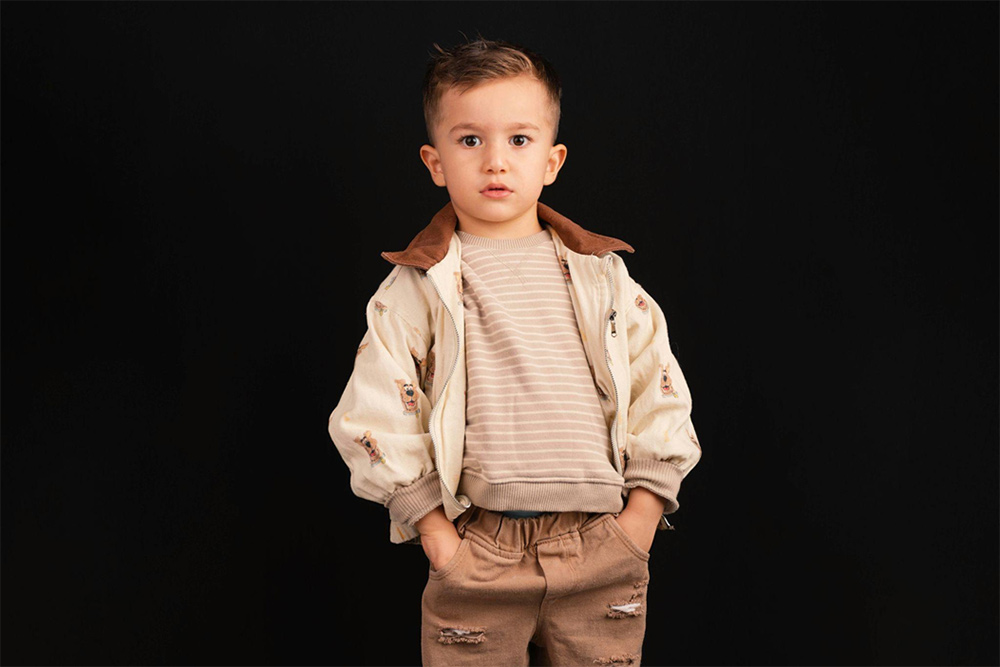
Photo by Atiyeh Fathi on Unsplash
Weddings, confirmations, milestone birthdays, anniversaries, and other large family gatherings can be exciting for adults but surprisingly demanding for children. Boys may be expected to wear smarter clothes than usual, sit through long ceremonies, pose for photographs, greet relatives they barely know, and somehow remain cheerful through several hours of waiting. The solution is not lowering every expectation. It is planning the day around the fact that children experience formal events differently from adults. Comfortable clothing, realistic schedules, snacks, entertainment, and somewhere to burn off energy can make a huge difference. When those practical details are handled before the event, parents spend less time negotiating over jackets, shoes, boredom, and hunger, and everyone has a much better chance of actually enjoying the occasion.
Make the Occasion Feel Special to Them Too
Children are much more likely to engage with a family event when they understand why it matters and feel that they have some role in it. Talk about what will happen beforehand, explain who the celebration is for, and involve them in choosing one small part of the day. For religious milestones, thoughtfulboys' confirmation gifts can also make the occasion feel personal rather than like another formal event organized entirely around adults. If the child has a responsibility, carrying something, greeting relatives, standing for photographs, or participating in a ceremony, explain it clearly before arriving. Uncertainty creates more resistance than a simple task with a defined beginning and end. It also helps to point out the enjoyable parts. Maybe cousins will be there, there is a special meal afterward, or everyone gets to stay up later than usual. Children need something to anticipate beyond being told repeatedly to behave.
Choose Smart Clothes That Survive a Long Day
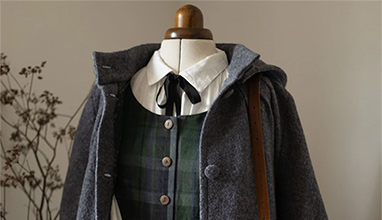
Formal clothing should look good, but comfort deserves equal weight. A perfectly styled outfit becomes a poor choice if the shirt scratches, the trousers restrict movement, or new shoes start hurting twenty minutes into the ceremony. Have boys try the complete outfit well before the event, including socks, belt, jacket, and shoes. Let them sit, walk, bend, and move around rather than judging fit while they stand still in front of a mirror. For warm-weather events, breathable fabrics and removable layers can prevent overheating. A jacket may be useful for the ceremony and photographs without needing to stay on throughout the reception. Pack a small backup for younger children if spills are likely. A spare shirt can rescue the rest of the day without requiring an entire second formal outfit. Comfortable clothes for later may also make sense if the event becomes more relaxed once official photographs and ceremonies are finished.
Give Them Somewhere to Actually Be Kids
Expecting children to stay composed for several hours without movement is usually where formal-event planning starts to unravel. If the gathering is at a family home or another property with outdoor space, having a play area can completely change the atmosphere. Families with equipment fromhttps://www.swingsetmall.com/ or similar backyard setups can give children somewhere obvious to go once the formal part of the day is over. At other venues, look for gardens, lawns, terraces, or another safe area where children can move around without disrupting speeches or meals. A short run outside between quieter parts of the event may prevent much bigger problems later. Adults should still know who is supervising, particularly when several families assume someone else is watching. Creating a child-friendly space works best when it is deliberately planned rather than simply telling the children to “go play somewhere.”
Feed Them Before They Become Desperate
Photo by Garrett Jackson on Unsplash
Family events frequently run later than expected. Ceremonies start late, photographs take longer, speeches multiply, and the meal that was supposed to arrive at 2 p.m. appears much later. Children rarely respond well to that schedule when they are hungry. Give them something sensible before leaving home, even if a meal will supposedly be served soon. Keep water and a few simple snacks available for the gaps between activities. Choose options that are easy to eat without creating stains all over formal clothing. If the event has a fixed children's menu, check what is being served beforehand when possible. A child who dislikes the only available option may end up eating almost nothing for several hours. Food does not need to become a major production. The objective is simply avoiding the point where hunger turns every small inconvenience into a crisis.
Pack Entertainment for the Waiting Parts
Most large events contain long stretches where children have very little to do. Adults can chat during photographs, wait comfortably between courses, or listen to extended speeches. Children usually need something more concrete. Pack a small activity bag rather than hoping the venue will provide entertainment. Coloring supplies, cards, puzzles, a book, or a quiet handheld game can work depending on age. Tablets and phones can be useful too, particularly during unavoidable waiting, but bringing headphones prevents one child's entertainment becoming everyone else's background noise. Avoid carrying an enormous bag of toys. Two or three activities are easier to manage and less likely to be left scattered around the venue. Saving one activity until later in the day can also help. Something that feels new at 5 p.m. has much more value than showing children everything available during the first ten minutes.
Be Strategic About Photographs
Family photographs can become one of the most stressful parts of an otherwise enjoyable event because adults want the perfect picture precisely when children are tired of standing still. Get essential photographs done early where possible. Prioritize immediate family, grandparents, and the combinations that genuinely matter instead of requiring children to appear in endless variations. Tell boys what is expected before they step into position: stand here, look at the camera, one or two photographs, finished. A clear endpoint makes cooperation easier. Once the important photographs are complete, relax. A slightly untucked shirt or missing jacket later in the day is unlikely to matter. Some of the best family photographs are often the less formal ones anyway, children playing with cousins, laughing at the table, or interacting naturally with relatives.
Let the Rules Relax as the Event Progresses
A long formal event becomes much easier when children know they do not have to maintain ceremony-level behavior until bedtime. Set clear expectations for the important moments: the ceremony, certain photographs, speeches, or formal parts of the meal. Once those are over, allow the day to become more relaxed. That might mean taking off the jacket, changing shoes, heading outside, or sitting with cousins rather than remaining beside parents all evening.
Parents also benefit from choosing which issues actually matter. A child quietly drawing during a long speech may be preferable to forcing perfect attention until frustration erupts. Large family occasions should create good memories rather than become endurance tests. Smart clothing, meaningful involvement, food at the right time, planned entertainment, and room to play can keep boys looking appropriate without expecting them to behave like miniature adults for the entire day. A little flexibility usually produces a happier child, and a much calmer family event.
Hits: 45 | Leave a comment
About the Author

Stella Cooter
Journalist, traveller and mother, Stella writes about fashion and style, luxury and adventure.