
Are Barefoot Shoes Better for You? A Science-Based Look at Minimalist Footwear
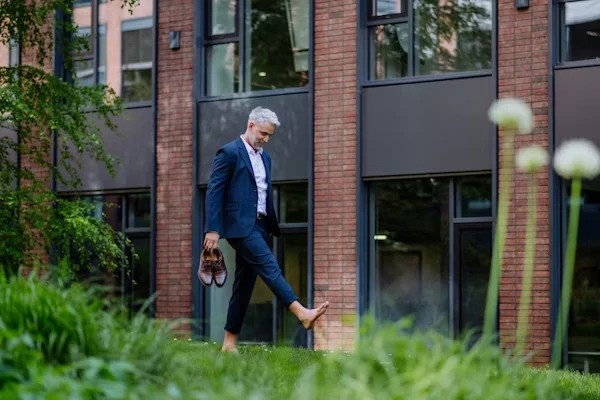
Key Takeaways
- Barefoot shoes promote natural foot mechanics by strengthening muscles, improving balance, and encouraging a midfoot or forefoot strike.
- Transitioning too quickly can lead to injury; gradual adaptation and foot-strengthening exercises are crucial.
- Not everyone benefits equally—those with certain foot conditions or prior injuries should approach barefoot shoes with caution.
Over the last decade, barefoot shoes—also called minimalist footwear—have moved from a niche trend to a mainstream discussion in the fitness and health world. Advocates say they strengthen the feet, improve balance, and encourage a more natural stride. Critics argue they increase injury risk and aren’t suitable for everyone. With so many strong opinions, what does the science actually say? Should you maybe instead browse height boosting footwear for more support?
This article breaks down the research, the benefits, the risks, and how to transition safely if you decide to give barefoot shoes a try.
What Are Barefoot Shoes?
Barefoot shoes are designed to mimic walking or running barefoot while still offering protection from the ground. Their typical features include:
- Thin, flexible soles
- Zero-drop platforms (no height difference between heel and forefoot)
- Wide toe boxes that allow natural toe splay
- Minimal cushioning and arch support
The philosophy is simple: the human foot evolved to function without bulky shoes, and modern footwear may be altering natural biomechanics in ways that weaken the feet or contribute to injury.
The Science Behind Barefoot Movement
1. Encouraging a Natural Gait
Studies show that barefoot running tends to promote a forefoot or midfoot strike, which can reduce the impact forces associated with heel striking. This change in gait can:
- Lower strain on the knees
- Shift workload toward the foot and calf muscles
- Reduce overstriding
This doesn’t automatically mean barefoot is “better,” but it does show that footwear can meaningfully influence movement patterns.
2. Strengthening Foot Muscles
A growing body of evidence indicates that wearing minimalist footwear increases the strength and cross-sectional area of intrinsic foot muscles. Stronger foot muscles can improve:
- Arch control
- Balance
- Overall foot stability
Some researchers compare this strengthening effect to resistance training: less support forces the foot to do more of its natural work.
3. Enhancing Proprioception
Barefoot shoes allow the foot to sense the ground more effectively, improving proprioception—your body’s awareness of its position in space. Better proprioception can help:
- Improve coordination
- Enhance balance
- Reduce falls or missteps
This is especially relevant for athletes and older adults.
Potential Benefits of Barefoot Shoes
1. Stronger, More Functional Feet
Because barefoot shoes require the foot to move more naturally, they may help:
- Strengthen arches
- Improve toe alignment
- Reduce dependence on orthotics (in some cases)
For people with chronic foot stiffness or underdeveloped foot muscles, this can be transformative.
2. Improved Posture and Natural Alignment
Zero-drop shoes encourage the foot to sit flat, which may help realign posture by reducing excessive forward tilt created by elevated heels. Some users report improvements in:
- Lower back discomfort
- Hip mobility
- Knee tracking
While individual experiences vary, this aligns with biomechanical theory.
3. Reduced Heel Strike Impact
Many runners who switch to barefoot footwear report fewer knee-related issues due to reduced heel-force loading. By landing more toward the midfoot, runners spread impact forces more naturally.
Risks and Misconceptions
1. “Barefoot Shoes Prevent Injuries.”
This is not supported by evidence.
Minimalist footwear changes where stress goes—it doesn’t eliminate it. Instead of knees absorbing impact, the workload shifts to:
- Achilles tendon
- Calves
- Foot muscles
- Metatarsals
This can be beneficial if the body is conditioned, but dangerous if it’s not.
2. Transitioning Too Quickly Can Cause Injury
The majority of barefoot shoe injuries occur because users jump in too fast. Common issues include:
- Achilles tendinopathy
- Calf strains
- Stress fractures
- Plantar pain
The body needs time to adapt to new mechanics, especially if you’ve worn cushioned, supportive shoes your entire life.
3. Not Everyone Is a Good Candidate
Certain people may not respond well to barefoot shoes, including those with:
- Severe flat feet
- Rigid foot structures
- Previous stress fractures
- Diabetic neuropathy
- Certain arthritis conditions
Barefoot shoes aren’t inherently harmful, but they need to match individual biomechanics and health factors.
Who Can Benefit Most From Barefoot Shoes?
Barefoot footwear may be especially helpful for:
- People with weak feet or poor toe mobility seeking natural strengthening
- Runners wanting to improve cadence and reduce overstriding
- Walkers or hikers looking for a more sensory-rich experience
- Individuals with bunions who benefit from wide toe boxes
- People experiencing discomfort from heavily cushioned or narrow shoes
If foot stiffness, poor balance, or compressed toes are issues, barefoot shoes can offer significant improvements.
Who Should Approach with Caution?
Those with the following should be careful or consult a professional before switching:
- Chronic plantar fasciitis
- Previous metatarsal stress fractures
- Severe pronation issues
- Medical conditions affecting sensation or circulation
- Acute Achilles or calf injuries
A slow transition—or hybrid approach—may still be possible, but guidance is often recommended.
How to Transition Safely into Barefoot Footwear
Switching to barefoot shoes isn’t like switching brands—it requires conditioning. Here’s a safe progression plan:
1. Start with Foot Strengthening
Before changing shoes, practice exercises such as:
- Toe spreading
- Short foot exercise
- Calf raises
- Toe curls
- Balance holds
Building foot and calf strength helps prevent overload.
2. Begin With Short Wear Periods
Wear barefoot shoes for 15–30 minutes a day at first, then gradually extend.
3. Walk Before You Run
Walking allows you to adjust to zero-drop loads without the impact forces of running. Only add running once walking feels natural and pain-free.
4. Increase Load Slowly
Follow the 10% rule: increase time or distance by no more than 10% per week.
5. Listen to Your Body
Mild soreness in previously unused muscles is normal; sharp or persistent pain is not.
Are Barefoot Shoes Better Overall?
There’s no one-size-fits-all answer.
They may be better if:
- You want stronger, more mobile feet
- You prefer natural movement
- You are willing to transition slowly
- Your body responds well to forefoot or midfoot striking
They may not be better if:
- You require significant external support
- You have certain medical conditions
- You prefer plush cushioning
- You engage in high-volume running without time for adaptation
Ultimately, barefoot shoes are a tool. Like any tool, they’re most effective when paired with the right user, the right purpose, and the right preparation.
Final Thoughts
Barefoot shoes offer a compelling return to natural biomechanics, backed by research showing improvements in strength, balance, and foot function. But they also require patience, adaptation, and awareness of individual limitations. They’re not a magic fix, nor are they inherently dangerous—they simply shift how the foot and body interact with the ground.
If you approach them thoughtfully, barefoot shoes can be a valuable addition to your footwear lineup and a powerful way to reconnect with your natural movement patterns.
FAQ
1. What are barefoot shoes?
Barefoot or minimalist shoes have thin, flexible soles, zero drop, wide toe boxes, and minimal cushioning, designed to mimic barefoot movement while protecting the feet.
2. Are barefoot shoes safe for running?
They can be safe if introduced gradually. Most injuries occur when people switch too quickly without building foot and calf strength.
3. How long should I wear barefoot shoes each day initially?
Start with 15–30 minutes per day, primarily walking, then gradually increase time and distance over several weeks.
4. Can barefoot shoes prevent foot injuries?
They don’t prevent all injuries—they shift stress from one area (like the knees) to another (like calves and Achilles). Proper adaptation is essential.
5. Who should avoid barefoot shoes?
People with severe flat feet, rigid foot structures, certain medical conditions, or prior stress fractures should consult a professional before transitioning.
Hits: 9391 | Leave a comment
About the Author

Stella Cooter
Journalist, traveller and mother, Stella writes about fashion and style, luxury and adventure.