
How Dark Workwear Became One of Fashion’s Most Wearable Trends
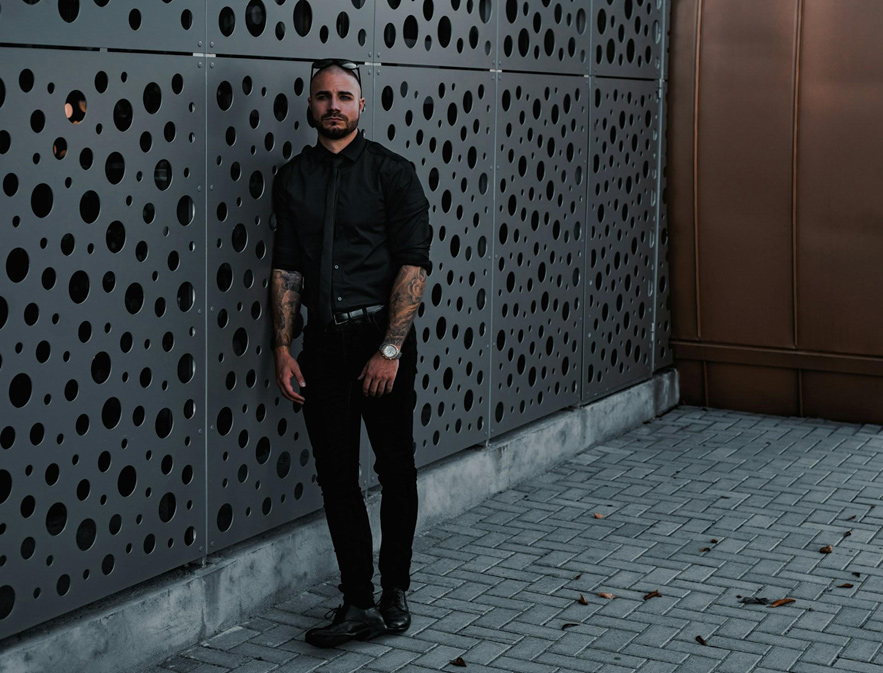
Photo by Norbert Buduczki on Unsplash
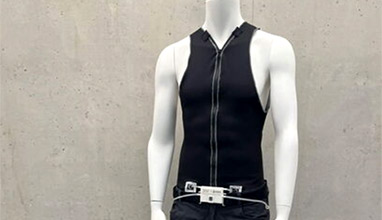
Fashion trends often emerge from unexpected places. While bright colors, oversized logos, and casual streetwear have dominated various periods over the past decade, another aesthetic has quietly gained momentum among professionals, creatives, and style-conscious consumers: dark workwear. Characterized by black tailoring, structured silhouettes, minimalist styling, and subtle alternative influences, dark workwear has become one of the most versatile and wearable directions in modern fashion. What makes the trend particularly interesting is its ability to bridge two worlds that were once considered separate. It combines the professionalism of traditional office attire with the individuality often associated with alternative fashion. The result is a look that feels polished, contemporary, and adaptable to a wide range of workplaces.
The Shift Away From Traditional Office Uniforms
For decades, professional dressing followed a predictable formula. Standard navy suits, conservative color palettes, and rigid dress codes dominated corporate environments. While these conventions still exist in some industries, many workplaces have gradually embraced greater flexibility in personal style.
This shift has created opportunities for employees to express themselves while maintaining a professional appearance. As dress codes have evolved, darker color palettes and more fashion-forward silhouettes have become increasingly accepted. Black tailoring, once reserved primarily for formal events, now appears regularly in offices, creative agencies, technology companies, and professional service firms.
The growing popularity of hybrid work environments has further accelerated this trend. Many professionals now seek wardrobes that can transition easily between meetings, coworking spaces, networking events, and social occasions without requiring multiple outfit changes throughout the day.
Why Black Remains Timeless
One reason dark workwear continues to thrive is the enduring appeal of black clothing. Black communicates sophistication, confidence, and simplicity. It is easy to style, universally flattering, and suitable for nearly every professional environment. Unlike trend-driven colors that may quickly feel dated, black offers longevity. A well-tailored black blazer or pair of trousers can remain relevant for years, making dark workwear an attractive option for those who value both style and practicality. Beyond aesthetics, black clothing also simplifies wardrobe management. Many professionals appreciate the ability to mix and match pieces effortlessly while maintaining a cohesive appearance. This versatility has helped establish dark workwear as more than a passing trend.
The Rise of Minimalist Gothic Influences
Dark workwear has also benefited from the growing popularity of minimalist fashion. Rather than embracing elaborate alternative styling, many people are drawn to cleaner interpretations of darker aesthetics. Structured jackets, monochromatic layering, sleek footwear, and architectural silhouettes offer a subtle way to incorporate personality into professional wardrobes. This evolution has contributed to the rise of styles often described as modern gothic, dark minimalist, or office-ready alternative fashion. These looks maintain the visual appeal of darker aesthetics while remaining appropriate for workplace settings. For professionals interested in exploring this approach, the guide corporate goth provides a useful overview of how gothic-inspired fashion can be adapted for office environments. The resource explains how structured tailoring, monochromatic color palettes, sophisticated layering, and carefully chosen accessories can create a polished appearance that balances professionalism with personal style. It also demonstrates how the corporate goth aesthetic differs from traditional gothic fashion by emphasizing refinement and workplace practicality.
Tailoring Plays a Central Role
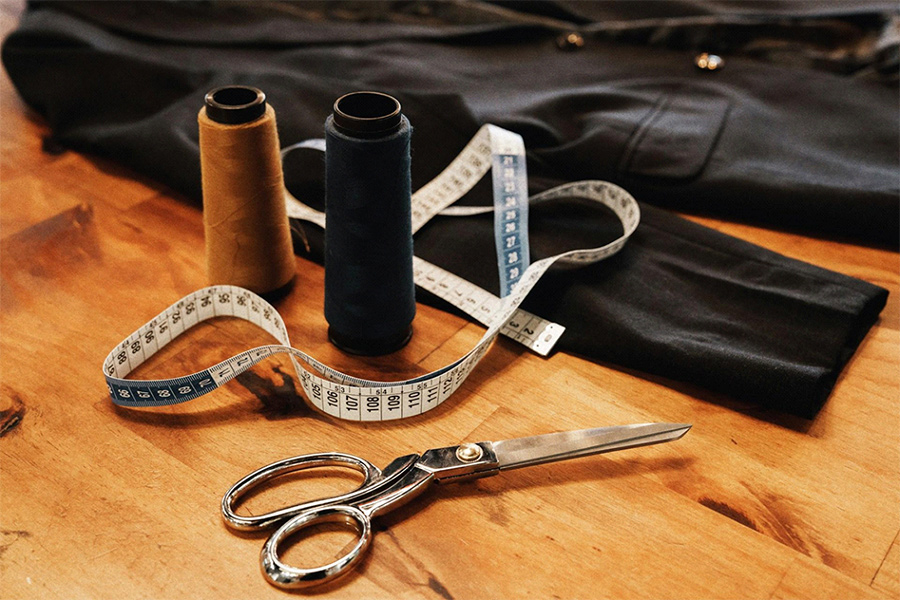
Photo by Fellipe Ditady on Unsplash
The success of dark workwear depends heavily on fit and construction. Black clothing can appear exceptionally sophisticated when properly tailored, but it can also look careless if proportions are ignored. Structured blazers, fitted trousers, long coats, and well-cut shirts form the foundation of many dark workwear wardrobes. The emphasis is less on decorative details and more on silhouette, shape, and overall presentation. This focus on tailoring aligns with broader movements within menswear and womenswear. Consumers increasingly prioritize quality and longevity over fast-changing trends. Investing in fewer, better-made garments often results in wardrobes that feel more refined and versatile.
A Trend Supported by Changing Fashion Priorities
Modern consumers increasingly value clothing that can serve multiple purposes. Rather than purchasing separate wardrobes for work, social events, and casual activities, many people prefer garments that transition easily between different settings.
Dark workwear fits this preference exceptionally well. A black blazer can be worn in a professional meeting during the day and paired with different accessories for an evening event. Similarly, tailored black trousers often work equally well in formal and casual environments.
Fashion commentators have observed this shift toward versatility for several years. Publications such as Business of Fashion have highlighted the growing demand for adaptable wardrobes that prioritize functionality, longevity, and personal expression over short-lived trends. Dark workwear reflects all of these priorities while maintaining a strong visual identity.
The Influence of Creative Industries
Creative professionals have played a significant role in popularizing dark workwear. Designers, architects, photographers, writers, and technology professionals have long embraced darker wardrobes as a way to project confidence and creativity without relying on loud fashion statements. As these industries continue to influence broader style trends, their preference for monochromatic dressing and minimalist aesthetics has become increasingly visible. What was once considered niche or unconventional now feels remarkably mainstream. This influence extends beyond clothing itself. Accessories, footwear, and grooming choices often follow the same philosophy, emphasizing simplicity, quality, and intentional design.
Why Dark Workwear Appeals Across Generations
Unlike many fashion trends that primarily attract younger consumers, dark workwear appeals to a wide demographic range. Younger professionals appreciate its contemporary edge, while more experienced professionals often value its sophistication and practicality. The trend’s flexibility allows individuals to adapt it according to their own preferences. Some embrace a more minimalist approach focused on tailoring and clean lines, while others incorporate subtle alternative influences through jewelry, footwear, or layered styling. This adaptability helps explain why dark workwear continues to grow rather than fade. It functions less as a rigid trend and more as a versatile framework for personal style.
The Future of Professional Dressing
As workplace culture continues to evolve, fashion is likely to become even more individualized. Employees increasingly seek clothing that reflects their personalities while remaining appropriate for professional settings. Dark workwear addresses this need exceptionally well by combining timeless tailoring with modern aesthetics. Its success demonstrates that professionalism and self-expression no longer need to exist in opposition. Structured silhouettes, monochromatic styling, and refined alternative influences have shown that darker fashion can feel approachable, practical, and sophisticated. Rather than replacing traditional office attire entirely, dark workwear has expanded the possibilities of what professional dressing can look like. By offering a balance of versatility, elegance, and individuality, it has established itself as one of the most wearable and enduring fashion movements of recent years.
Hits: 4045 | Leave a comment
Tags:trends, dark workwear
About the Author

Stella Cooter
Journalist, traveller and mother, Stella writes about fashion and style, luxury and adventure.
Related Articles