
Wholesale Loose Diamonds in Dallas: Expert Tips for Finding the Right Stone
Wholesale Loose Diamonds in Dallas: Expert Tips for Finding the Right Stone
A diamond that is purchased in a loose form gives you the chance to test the quality before it's part of a final jewellery piece. Contrary to the pre-set rings that are set, loose diamonds can be examined from any angle, allowing customers to assess various stones based on quantifiable features rather than just appearance. When you're considering an engagement ring that is custom-designed or an anniversary gift or any other fine jewelry-related project, knowing the diamond buying procedure can help you make informed choices.
Dallas is known as one of the most prestigious jewelry markets. It provides an array of jewelers who are independent and wholesale diamond dealers and custom jewelry experts. Buyers are able to compare a broad range of lab-grown and natural diamonds as well as investigate different shapes, sizes and high-quality grades.
What Are Wholesale Loose Diamonds?
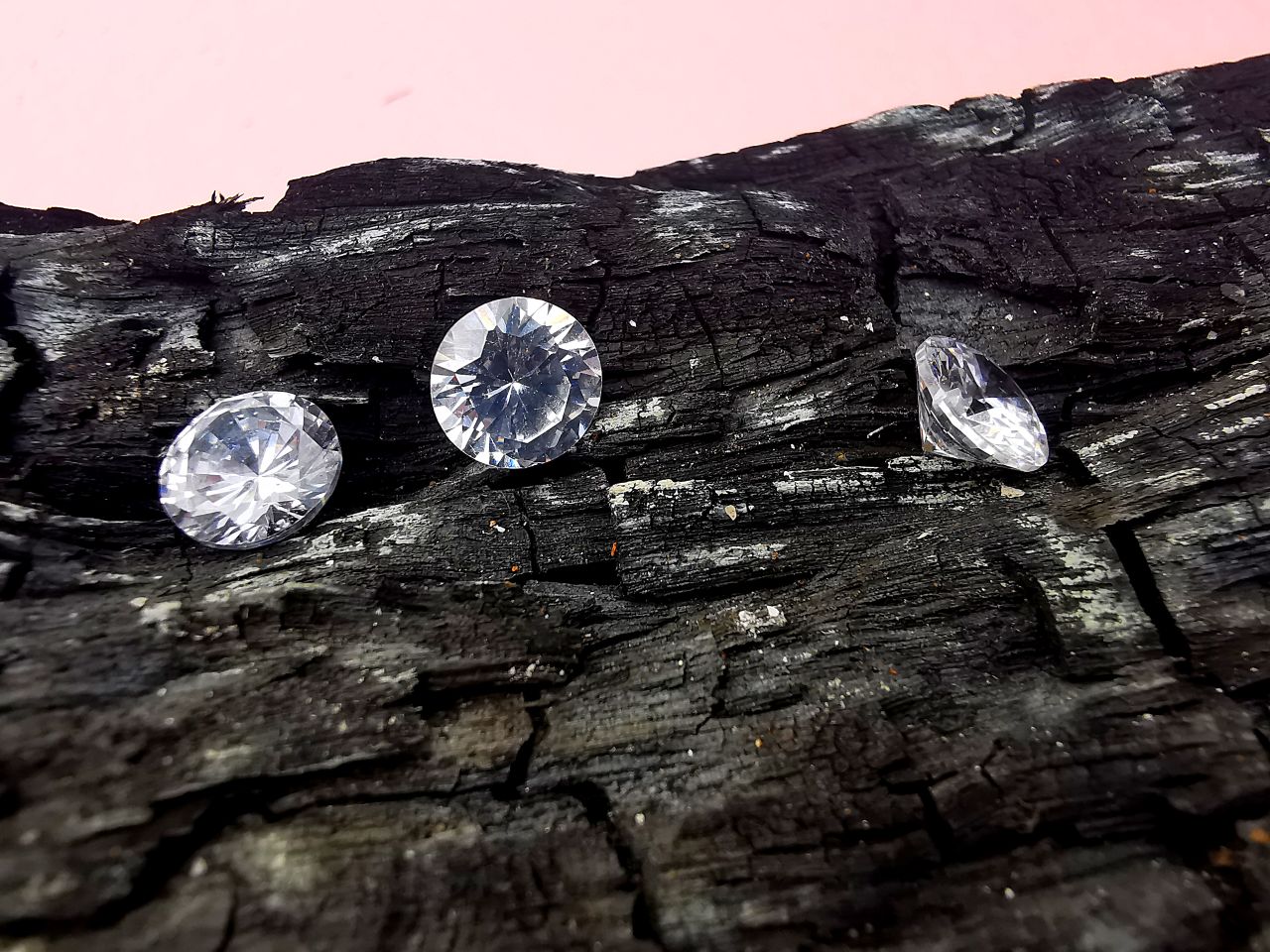
Diamonds that are sold wholesale lose the individual diamonds that are sold prior to being set into jewelry. They are available in a variety of sizes, carat weights, color grades, as well as clarity grades. Although wholesalers typically supplied jewelry to retailers, increasing numbers offer direct sales to consumers.
If you are looking into wholesale loose diamonds in Dallas, buyers often look at certified stones from different vendors to determine the differences in terms of quality, grading and prices. The review of diamond certificates in conjunction with the physical features of each stone will give an easier way to determine an appropriate setting.
One business that serves that market Aura Diamonds. Buyers can also look at the inventory of Bova Diamonds Shira Diamonds as well as Diamonds Direct to evaluate different choices and options. Comparing multiple businesses allows buyers to comprehend the local market without relying solely on one source.
Why Buy a Loose Diamond?
The purchase of a loose diamond provides the buyer a lot of flexibility during the purchase process. Instead of settling for the diamond already set in the ring, buyers may first select the diamond and then choose the setting that best matches the style they prefer.
The benefits include:
- Greater flexibility when designing customized jewelry
- Easier comparison between certified diamonds
- Increased control over budget allocation
- A wider variety of diamond shapes
- A better knowledge of the diamond's quality
A lot of buyers are impressed by the honesty that is a result of evaluating the diamond before it is permanently set.
Image 2: A gemologist inspects an uncut diamond using an eyepiece for jewelers.
Learn the Four Cs
The Four Cs provide the international benchmark for assessing diamond quality.
Cut
Cut determines how light moves across the stone. Diamonds that are well-cut usually have more sparkle and brilliance than diamonds that have poor cut even if they are of similar colors and clarity grades.
Color
Diamond color is classified in a range of D from D to Z. Diamonds that are closer to D appear uncolored, whereas those further down the scale show more warmness. A lot of buyers opt for near-colorless grades as they provide a pleasing blend of cost and appearance.
Clarity
Clarity refers to the presence or absence of internal inclusions as well as external flaws. The majority of inclusions are microscopic making diamonds appear crystal clear in the eyes of the observer.
Carat Weight
Carat is the measure of how much weight is contained in a stone rather than its apparent size. Two diamonds that have the same weight could appear different based upon their ratios as well as the cut quality.
Diamond Certification
Independent grading reports offer the most accurate information regarding the characteristics of diamonds. A typical certificate contains:
- Carat weight
- Cut grade
- Color grade
- Clarity grade
- Measurements
- Polish
- Symmetry
- Fluorescence
Certification review lets buyers evaluate multiple diamonds based on the same grading criteria.
Natural and Lab-Grown Diamonds
Dallas wholesalers typically offer organic and laboratory-grown diamonds. While their origins may differ they share the identical physical properties, chemical makeup and long-lasting properties.
Natural diamonds are formed beneath the earth's surface in billions of years when lab-grown diamonds are produced in controlled environments employing advanced technology. The buyers often weigh both options in relation to price as well as availability and individual preferences.
Popular Diamond Shapes
Diamonds that are loose can be found in a variety of forms, each of which has a distinctive appearance.
- Round Brilliant is renowned for its outstanding lightness.
- Oval: Gives the appearance of a longer length.
- Princess: Popular for modern engagement rings.
- Cushion: Has corners rounded with an elegant design.
- Emerald: Shows clarity by highlighting long step-cut edges.
- Pear Combines the characteristics of round as well as marquise.
- Radiant: Mixes sparkling sparkle with neat corners.
The shape preference is based on personal preference, not on quality alone.
Questions to Ask Before Buying
Before deciding on a loose diamond Consider asking:
- Does the diamond have independent certification?
- What grade of cut is it?
- Is the eye of the diamond clean?
- Does the certificate match with the stone?
- Are there natural and lab-grown alternatives available?
- Can diamonds be seen at magnification?
These questions help buyers compare different diamonds using objective information.
Comparing Prices
Prices for diamonds vary as each stone is distinctive. Even minor differences in the color, clarity or cut may affect price. Buyers usually look at different diamonds with similar characteristics before deciding which one is the most balanced between price and quality.
The weight of the carat alone generally reveals higher value overall. A diamond that is slightly smaller but that has a great cut might appear more attractive than a larger diamond cut with less quality.
Common Buying Mistakes
Some buyers are focused on the size of the stone, ignoring the quality of the cut. Others buy diamonds without checking the certification or comparing stones with similar qualities.
Common errors are:
- Doing nothing to address the cut grade
- Purchase without grading reports
- The weight of a carat is only a comparison.
- Diamond proportions that are not apparent
- Doing a rush decision and not examining the various alternatives
The time taken to evaluate certified diamonds can lead to an informed decision.
Final Thoughts
Finding the perfect loose diamond is about knowing how to read the Four Cs, reviewing certification and comparing different shapes and evaluating the various vendors within the Dallas market. When choosing an organic or lab-grown diamond, diamonds that are certified by different businesses will provide you with valuable insight into the prices, quality and the inventory available. A thorough comparison can help customers select a diamond that is suitable for their style preferences and budget. It also helps them make the purchase decision with confidence.
Hits: 39 | Leave a comment
About the Author

Laura Palazzi
Laura holds a two-year technical degree in Marketing, Communication, and Logistics from St. Louis – Ste. Marie School in Gignac-la-Nerthe, France. Passionate about fashion, she enjoys writing about the latest fashion trends, branding, and marketing strategies.


 (4)m.jpg)