
From Sketch to Storefront: The Essential Guide to Navigating Clothing Manufacturing
The process of transforming a fashion drawing into an actual product that is hanging on a rack is a complicated one. It is a mediator between vision and selling. To future designers and well-known brands, it is vital to comprehend the process of production lifecycle to remain able to keep the quality at the highest standards, meet timelines, and safeguard the profit margin.

Photo: pexels.com
1. Sourcing and Material Selection
Any garment is made on the basis of fabric. The designers need to ensure the availability of the raw materials before production starts, as fabric selection plays a foundational role in clothing manufacturing. This involves making choices between natural fabrics such as cotton and wool and synthetic options like polyester and nylon. The materials used in the construction process not only define the appearance and feel of the final product, but also influence how efficiently manufacturing processes can be executed.
Sourcing includes negotiating with suppliers, requesting sample yardage (swatches), and testing for shrinkage, colorfastness, and durability. An error at this stage can lead to costly disruptions later in the production cycle; therefore, thorough material evaluation remains a non-negotiable step for serious brands.
2. Prototyping and Tech Packs
After the selection of materials, a 2D sketch is transformed into a 3D prototype. The tech pack serves as the technical blueprint containing all specifications required to construct the garment, including measurements, stitching details, trims, tolerances, and grading instructions.
The first sample, often called a mock-up or muslin, allows the designer to assess fit, structure, and drape in real form. Multiple revision cycles are common at this stage, as adjustments refine proportion, comfort, and overall silhouette.
The goal of prototyping is to perfect fit and functionality before moving into mass production. During this phase, experienced factories can provide valuable technical insight, suggesting pattern modifications, construction improvements, and cost-efficient alternatives. Their input often enhances wearability while maintaining production efficiency and quality standards.
3. Finding the Right Manufacturing Partner
The selection of a factory is, perhaps, the most important decision to make in the process. The brands have to determine whether to produce locally or internationally, considering some factors such as cost, speed, and minimum order quantities (MOQs).
- Domestic Production: It is usually more expensive, but it can speed up the turnaround time and communicate more effortlessly.
- Foreign Manufacturing: Tends to be cheaper in terms of unit costs, but with longer lead times, transportation issues, and language problems.
It is necessitated by vetting prospective partners. Request samples, visit them, preferably, and seek references. A manufacturer is more than a service provider, he/she is a partner who assists in troubleshooting and proposing cost-efficient options.
4. Sampling and Grading
In advance of the entire run, a pre-production sample (PPS) is prepared. This is the gold standard of the factory. The bulk order should be accepted in writing to make sure that the bulk order is as expected.
At the same time, the trend will have to be graded - increased and decreased in size to form the entire spectrum of sizes (XS, S, M, L, XL, etc.). Consistency in all the size categories is done through accurate grading, and it is crucial in customer satisfaction and the reduction of returns.
5. Production and Quality Control
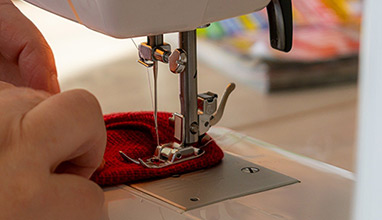
The factory starts cutting and sewing the garments. At this stage, quality control (QC) is the key factor. The brands are to apply the QC process that comprises:
- In-line checks: Inspection of the goods at the assembly stage to detect mistakes promptly.
- Final checks: Before the finished products leave the factory floor, they are checked.
- Final inspections: Other problems that should be observed are irregular stitching, bad hemming, or discoloration of dye lots.
Preventing these failures at the time of shipment eliminates the cost of costly returns and negative publicity.
6. Logistics and Delivery
After final inspection, the goods are packed, put into tags, and shipped. This step involves arranging freight forwarders, facilitating the customs papers (when it comes to foreign orders), and logistics management to have the inventory arrive at the warehouse or at the fulfillment center itself. Time is of the essence; failure to deliver on time may lead to missed fashion seasons or empty shelves during the highest shopping seasons.
It is a long process which takes patience, organization, and the ability to make adjustments. Though the process is a moving machine, it is rewarded with the satisfaction of the successful launch of the product line.
Designers can develop a sustainable business by choosing partners carefully and being very strict on quality standards. Finally, in the fashion industry, it is essential to have a well organized and reliable partner in the manufacturing process of clothes.
Hits: 46 | Leave a comment
About the Author

Stella Cooter
Journalist, traveller and mother, Stella writes about fashion and style, luxury and adventure.
Related Articles