

Indoor Air Quality and Health: A Comprehensive Guide to Breathing Better at Home
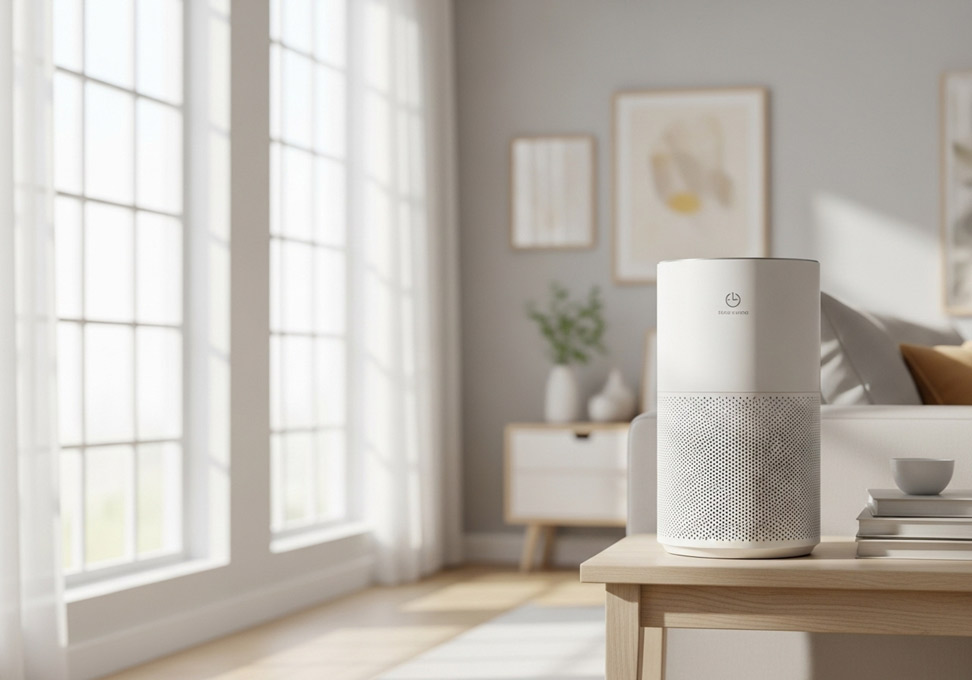
We spend roughly 90% of our lives indoors, yet most of us give little thought to the air we're breathing within our own homes. This oversight comes with real consequences: the Environmental Protection Agency has found that indoor air can be 2-5 times more polluted than the air outside, creating hidden health risks in the very spaces where we should feel safest. The good news? Understanding what compromises indoor air quality, recognizing how it affects our health, and taking practical steps - from simple habit changes to investing in technologies like an air purifier - can transform your home into a healthier sanctuary.
Understanding Indoor Air Pollutants
The air inside our homes carries an invisible burden of contaminants that build up when ventilation falls short. Common indoor pollutants run the gamut from particulate matter (PM2.5 and PM10) and volatile organic compounds (VOCs) to carbon dioxide, mold spores, dust mites, and pet dander.
These unwelcome guests enter our homes through surprisingly mundane sources. That sizzling pan releases particulate matter and nitrogen dioxide into your kitchen air. The fresh coat of paint or new furniture you're excited about? They can off-gas chemicals for months, sometimes years. Even routine cleaning introduces VOCs into your environment. Add combustion appliances, aging ventilation systems, and pollutants drifting in from outdoors, and the picture becomes clear.
What makes indoor air potentially worse than outdoor air boils down to one key factor: airflow. Today's homes prioritize energy efficiency, which often means tighter seals and less air exchange with the outside world. While this saves on heating and cooling costs, it also means pollutants have nowhere to go. Instead of being diluted or swept away, they accumulate—especially during winter months when we keep our homes buttoned up tight.
Health Impacts of Poor Indoor Air Quality
The effects of breathing compromised indoor air appear in both immediate and long term ways. Short term symptoms often seem nonspecific, including persistent headaches, irritated eyes, a scratchy throat, unexplained fatigue, or difficulty concentrating. These symptoms frequently improve when leaving the home, making the link to indoor air quality easy to overlook.
Long term exposure presents more serious consequences. Prolonged inhalation of polluted indoor air has been associated with asthma development, cardiovascular disease, reduced lung function, and increased susceptibility to respiratory infections. Children are especially vulnerable as their respiratory and immune systems are still developing, while older adults and individuals with pre existing conditions may have a reduced ability to compensate for ongoing exposure.
Humidity levels play an important but often underestimated role in these health outcomes. Air that is too dry can irritate the respiratory tract, worsen allergy symptoms, and allow fine particles to remain airborne longer. Using a humidifier to maintain balanced indoor humidity helps support the body’s natural defenses by keeping airways moist, reducing irritation, and limiting the suspension of dust and allergens in the air.
When most daily life takes place in an environment with suboptimal air quality and improper humidity, the effects accumulate gradually over time. Recognizing the combined impact of pollutants and moisture balance empowers individuals to take practical steps, such as managing humidity with a humidifier, to create a healthier and more comfortable home environment.
Practical Strategies for Improving Indoor Air Quality
Creating cleaner indoor air requires attacking the problem from multiple angles - combining smart habits, regular maintenance, and strategic use of technology when needed.
Ventilation and source control represent your first line of defense. Simple actions make a real difference: crack open windows when weather allows, run exhaust fans while cooking or showering, and stay on top of HVAC maintenance to keep air moving properly. On the prevention side, choosing low-VOC cleaning products, paints, and furniture means fewer pollutants enter your home in the first place.
Humidity management deserves special attention since it affects multiple indoor air quality issues. Keep relative humidity between 30-50% through smart ventilation, dehumidifiers, or humidifiers, and you'll create conditions where mold struggles to grow and dust mites can't thrive.
Don't underestimate the power of good housekeeping. Regular vacuuming with HEPA-filtered machines pulls accumulated dust and allergens from carpets and upholstery, while staying current with HVAC filter replacements ensures your heating and cooling system works for you, not against you.
Technology-based solutions can enhance these foundational practices. Air quality monitors take the guesswork out of identifying problem areas and tracking your progress. Various air treatment technologies - HEPA filtration, activated carbon, UV-C light - each tackle different types of pollutants. Just remember that no single device solves every indoor air quality challenge, so understanding your specific situation helps guide smart choices.
Creating Your Action Plan
Begin with an honest assessment of your unique circumstances. What's driving your concern - seasonal allergies, asthma management, or simply wanting a healthier home? Factor in your home's age and layout, your local environment, and what you're comfortable spending.
Start with the biggest bang for your buck: better ventilation, upgraded cleaning routines, and eliminating pollution sources often deliver impressive results without breaking the bank. Pay attention to how these changes affect both your indoor environment and how you feel - this feedback guides your next steps.
When basic improvements aren't enough, that's when technology solutions earn their keep. Research options based on the specific pollutants you're dealing with and the size of your space. For persistent problems or homes with particularly sensitive occupants, professional air quality testing can provide the detailed insights needed for targeted solutions.
Taking Control of Your Indoor Environment
Your indoor air quality isn't something that just happens to you - it's something you can actively improve. By understanding the common culprits that compromise indoor air, recognizing how they affect your health, and implementing the right combination of strategies, you can transform your home's atmosphere. Start with assessment and basic improvements, then layer in additional tools based on what you learn and what you need. Think of better indoor air quality as an investment in your daily health and comfort - one that pays dividends every single day you spend at home.
Hits: 8410 | Leave a comment
Tags:health, air purifier
About the Author

Stella Cooter
Journalist, traveller and mother, Stella writes about fashion and style, luxury and adventure.